









What Are Front-of-Pack Labels?
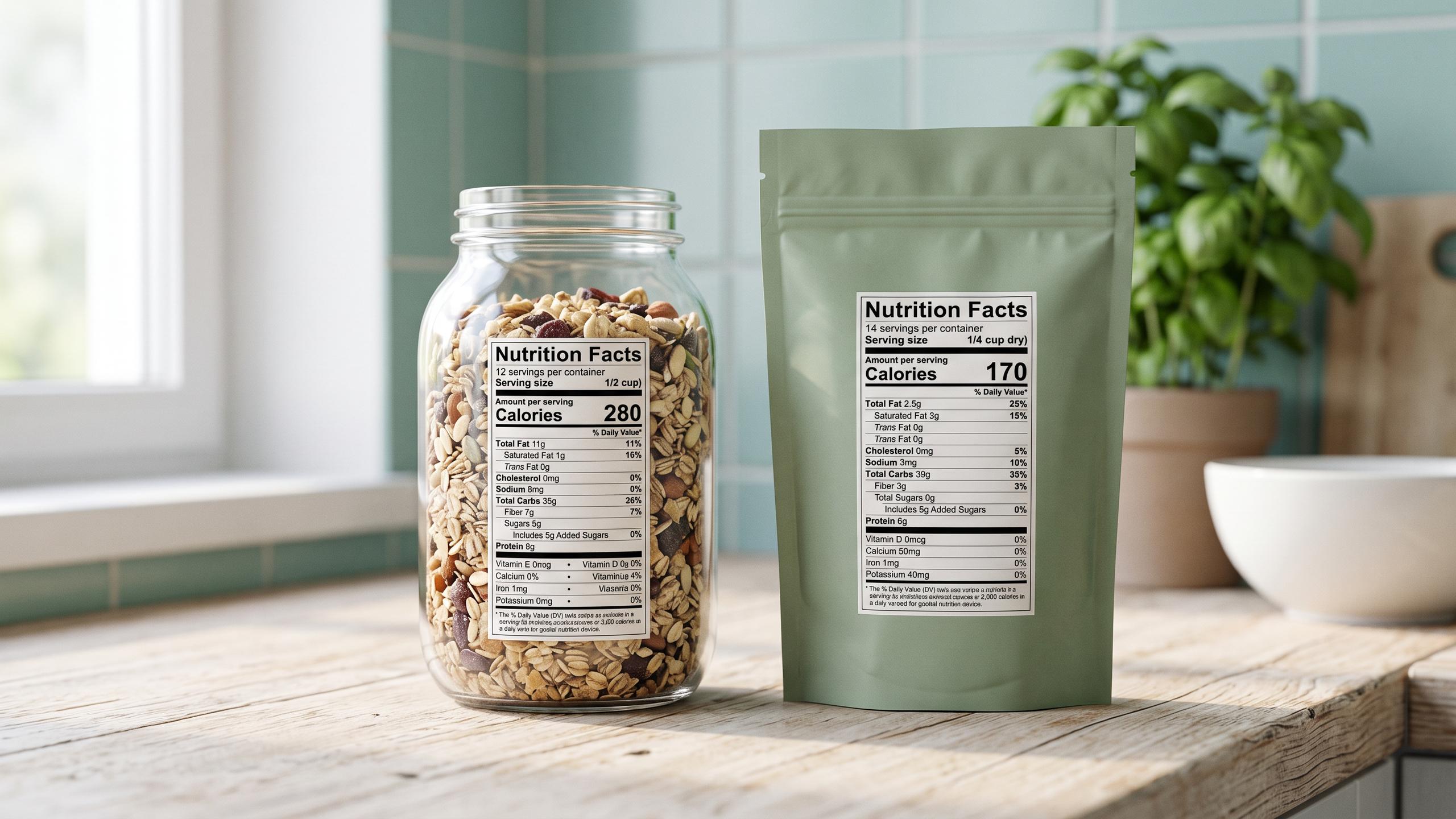
Front-of-Pack Labelling (FOPL) is a system designed to place simple, easy-to-understand nutritional information on the front of packaged foods. The goal is to help consumers quickly assess the healthiness of a product without needing to decipher complex
nutritional tables on the back. The debate in India centres on two competing models. Public health advocates and organizations like the Indian Council of Medical Research (ICMR) strongly support interpretive 'warning labels'—similar to those on tobacco products—that clearly flag foods high in sugar, salt, or fat. The alternative, often preferred by the food industry, is the 'Health Star Rating' (HSR) system. This model rates a product from half a star to five stars based on its overall nutritional profile, including both negative and positive nutrients like fibre and vitamins.
The Battle of the Labels
Health experts argue that warning labels are the most effective way to inform consumers and discourage the consumption of unhealthy products, citing successful implementations in countries like Chile and Mexico. They contend that the HSR system can be misleading, as companies can add small amounts of healthy ingredients to improve a product's star rating, masking its high content of sugar, salt, or fat. This 'health halo' effect might lead consumers to believe a product is healthier than it actually is. In contrast, major food and beverage corporations argue that warning labels are confusing and could unfairly demonize a vast range of products, with some industry estimates suggesting up to 80% of packaged foods in India could receive a 'red' warning label.
A Controversial Shift in Policy
For years, health advocates and even the Supreme Court have pushed the Food Safety and Standards Authority of India (FSSAI) toward adopting mandatory warning labels. However, following a tense, closed-door meeting with industry representatives in March, the FSSAI appeared to reverse its course. Reports based on recordings of the meeting indicate that executives from major companies argued against the warnings. Subsequently, in August, the FSSAI informed the Supreme Court that it was difficult to match international labelling standards and proposed a simple black-and-white nutritional table instead of colourful warnings. This shift was met with a strong rebuke from the court, which emphasized that the health of citizens should be the primary concern.
Why This Matters for Indian Consumers
The debate over a simple label is tied to a major public health crisis. India is facing a rising tide of non-communicable diseases (NCDs) like obesity, diabetes, and heart disease, with diet being a significant factor. According to the National Family Health Survey, obesity rates among both men and women have risen sharply. Health experts believe clear FOPL is a crucial tool to empower consumers to make healthier choices and combat this trend. The controversy is further fueled by findings that many international brands sell products in India with significantly higher sugar content and different ingredients than their European counterparts, which often carry the very warning labels being resisted in India.