

Gather Your Simple Ingredients
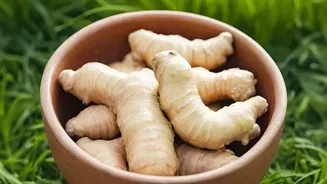
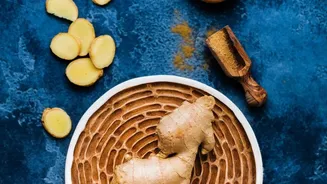
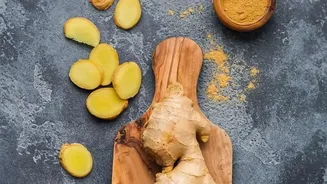
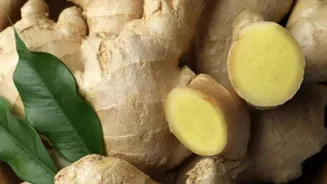
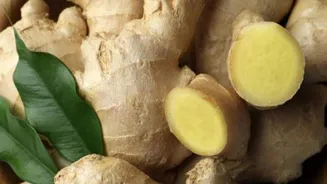
Before you begin, you'll need a few basic items, most of which you may already have in your kitchen. Using fresh ginger is considered best for this application, though powdered ginger can also be effective. You will need a piece of fresh ginger root (about
4-5 inches or a handful when grated), a large pot with about two litres of water, a grater, a thin cotton cloth like cheesecloth or a handkerchief, and two or three small towels. Having an extra larger, dry towel is also useful to help retain heat during the application.
Preparing the Ginger Infusion
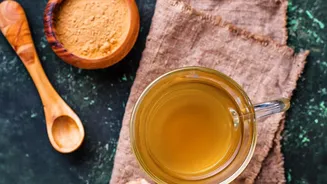
Start by bringing your pot of water to a near boil, then reduce the heat to a simmer. While the water is heating, thoroughly wash the ginger root. There's no need to peel it. Grate the fresh ginger using a standard kitchen grater. Place the grated ginger into the center of your cotton cloth and tie it securely with a string or an elastic band to create a small pouch or 'ginger bundle'. This prevents the grated bits from floating freely in the water, making the process much cleaner. Place this ginger bundle into the hot water and let it steep for at least five to ten minutes to allow the active compounds to infuse into the water.
Soaking and Applying the Compress
Once the ginger has steeped, your compress is ready for application. Turn off the heat. It is a good idea to wear rubber gloves to protect your hands from the hot water. Dip a small towel into the hot ginger water, then carefully wring out the excess liquid so it's not dripping but is still well-saturated and hot. Test the temperature of the towel on your inner wrist to ensure it is comfortably warm but not hot enough to burn the skin. Place the folded, warm towel directly onto the affected area. To help keep the compress warm for longer, you can cover it with a dry, larger towel.
Traditional Uses and Benefits
Traditionally, a hot ginger compress is used to stimulate circulation, which can help relieve tension and discomfort. It is often applied to areas with muscle soreness, stiffness, backaches, and menstrual cramps. The warming action is believed to help dissolve stagnation and melt away tension in the treated area. Some studies and traditional practices suggest it can be beneficial for the discomfort associated with arthritis and other inflammatory conditions by providing targeted heat and taking advantage of ginger's natural properties. People have used this remedy for everything from a stiff neck to soothing the lower back.
Application Time and Frequency
Keep the compress on the area for about 15 to 20 minutes, or until it cools down. You can have a second towel ready to dip into the hot ginger water, so you can quickly swap them out to maintain a consistent temperature. Repeat this process of re-soaking and reapplying for the duration of your session. For ongoing issues, applying a compress two to three times a week is often suggested. The ginger-infused water can be stored in the refrigerator for up to three days and reheated for future use; just be sure not to boil it when reheating.
Important Safety Considerations
While a ginger compress is a gentle home remedy, some precautions are necessary. Never apply the compress to broken skin, open wounds, or areas with a rash. It's also advised to avoid this treatment if you have a high fever. If you have very sensitive skin, you might consider applying a thin layer of oil to the area first or placing a thin towel between the compress and your skin as a buffer. Some sources advise against using this treatment for certain conditions or during pregnancy, so it is always wise to be cautious. If you experience any significant skin irritation, like lasting redness or blistering, discontinue use.