



The Plan: A Road to Profitability
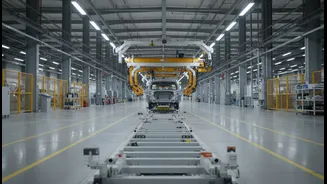
Volkswagen has dubbed its aggressive new strategy the “ACCELERATE FORWARD | Road to 6.5” performance program. Launched in response to what CEO Thomas Schäfer has called a 'very challenging' market, the plan's primary goal is to boost the brand's profitability.
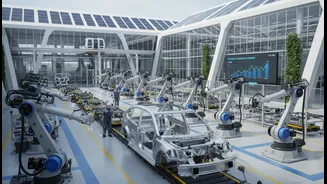
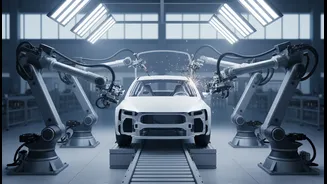
The target is to achieve a sustainable 6.5 percent return on sales, a move designed to free up capital for the colossal investments needed in future technologies like electric vehicles (EVs) and software. This isn't just about trimming expenses; it's a fundamental restructuring aimed at improving earnings by around €10 billion by 2026. The company is looking at everything from reducing administrative costs and speeding up development times to optimizing production and streamlining its vast portfolio of models. Schäfer has been blunt about the urgency, reportedly telling managers, "The roof is on fire," signaling that business as usual is no longer an option.
Heritage on the Chopping Block
The drive for efficiency puts some of Volkswagen's most beloved nameplates in a precarious position. For generations, models like the Golf, Passat, and Polo have been more than just cars; they are cultural touchstones. The Golf, in particular, created the 'hot hatch' segment and has sold over 37 million units since 1974. However, in a world shifting to EVs, these internal combustion engine (ICE) legends are becoming harder to justify financially. Stricter emissions standards make smaller ICE cars significantly more expensive to produce. This has led VW's leadership to openly question whether it's worth developing a ninth-generation ICE Golf when its lifespan would be curtailed by upcoming bans on combustion engines. The new plan involves dramatically simplifying the product lineup, potentially cutting up to 50% of its global models and slashing the number of configurations to reduce complexity and cost. This inevitably means that slow-selling or less profitable models, many of which are part of VW's heritage, are under intense scrutiny.
The Electric and Software Imperative
The pressure to cut costs stems directly from the immense challenge of transitioning to an electric, software-defined future. Volkswagen is investing billions to develop its new EV platforms, like the upcoming SSP architecture, and to get its software right after well-documented struggles. This transition is made more urgent by fierce competition. In China, its largest market, VW has lost ground to domestic EV makers like BYD, which offer technologically advanced cars at aggressive prices. To compete, Volkswagen has had to partner with Chinese firms like Xpeng to close the technology gap. Meanwhile, Tesla continues to set the pace globally. This new competitive landscape requires a leaner, faster, and more efficient Volkswagen. The old strategy of offering a massive, complex portfolio is a liability when speed and cost-efficiency are paramount.
Reimagining the Icons
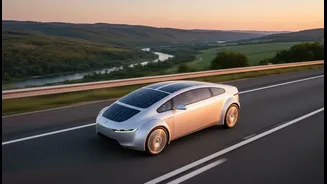
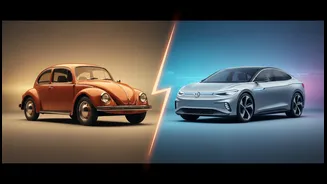
The choice may not be as simple as 'keep or cut'. Volkswagen is exploring a third way: reimagining its heritage names for the electric age. The success of the ID. Buzz, a clear nod to the classic Microbus, shows that nostalgia can be a powerful tool in the EV market. VW has signaled it plans to pivot away from the numeric 'ID' branding and bring back classic names. There is strong speculation about an electric Beetle, and executives have confirmed that the ninth-generation Golf will be an EV, though its arrival has been delayed. An affordable compact EV, previously known as the ID.2all concept, is now expected to be called the ID. Polo. This strategy allows VW to leverage its powerful brand equity and the emotional connection customers have with these names. The challenge is ensuring these new EVs live up to the spirit of their predecessors, not just borrow their names.