

A Legacy Served on a Plate
In the bustling lanes of Delhi, Mumbai, Kolkata, and Chennai, street food is the lifeblood of the city. It's a great social equaliser, where people from all walks of life—from business executives to daily wage earners—gather for a shared experience. These
vendors are not just cooks; they are entrepreneurs and custodians of a rich heritage. Many run small, family-owned businesses, often using meaningful recipes that have been passed down through generations, ensuring the preservation of India's culinary identity.
The Secret is in the Family
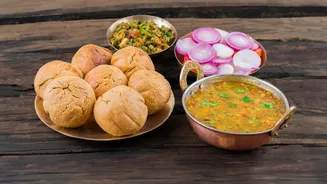
The secret to the consistent and authentic taste of a famous chole bhature stall in Delhi or a beloved vada pav cart in Mumbai lies in the family. Recipes are rarely written down in formal cookbooks. Instead, they are heirlooms passed from one generation to the next. Knowledge is transferred through observation and hands-on practice in the kitchen, often from a very young age. A grandmother's 'andaaza'—an intuitive sense of measurement—for spices or a father's specific technique for kneading dough are precious trade secrets that give each vendor's food its unique character. This intimate transfer of knowledge ensures that the taste remains unchanged over decades.
A Tale of Four Cities
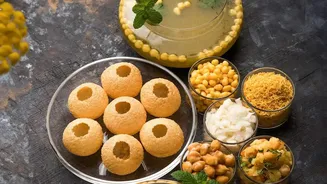
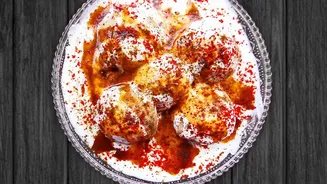
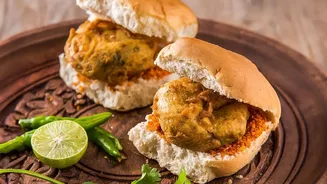
Each city boasts a unique street food culture shaped by its history. In Delhi, you can find vendors whose families have been perfecting their chaat and kebab recipes since the Mughal era. Mumbai's vada pav, a relatively recent invention, became an iconic symbol of the city's fast-paced, resilient spirit. Kolkata's street food tells a story of migration and colonial influence, with everything from British-inspired cutlets to tangy Indo-Chinese noodles sold on its pavements. Down south, Chennai's streets offer not just the classic idli and dosa, but also unique snacks like the spicy 'kothu parotta' and crisp 'molaga bajji', often found in specific neighbourhoods like Triplicane and Mylapore.
Modern Pressures and Timeless Tastes
Despite their cultural importance, these vendors face immense challenges. The rising cost of ingredients, competition from modern food trucks and international fast-food chains, and the lack of formal legal recognition are constant threats. Many vendors operate in a legal grey area, facing uncertainty and harassment despite laws enacted to protect them. Furthermore, the younger generation, often more educated and with different aspirations, may not be willing to take over the family stall, raising concerns about the future of these culinary traditions.
The Taste of Resilience
Yet, the tradition endures. The resilience of these street food vendors is a testament to their passion and the deep-rooted love for their food. They are innovators, constantly adapting to changing tastes while holding on to the core of their ancestral recipes. Some are now blending traditional formats with global ingredients to appeal to younger customers. They are not just selling food; they are selling a memory, a piece of home, and a connection to a shared past. The lines at their stalls are proof that in a world of fleeting trends, there is a powerful craving for something authentic and timeless.