





It’s a sound synonymous with movie nights and cosy evenings: the rapid-fire popping of corn. But inside each kernel is a dramatic, high-pressure event. Let's break down the surprisingly explosive science of how popcorn actually pops.
Anatomy of a Perfect Pop
Not just any corn
can become popcorn. The star of the show is a specific variety called Zea mays everta. What makes it special is its hull, or 'pericarp'. This outer shell is significantly tougher and less porous than that of other corn types, like sweet corn. Inside this hull are two key components: a starchy interior called the endosperm, and a tiny droplet of water. For the perfect pop, the kernel needs a moisture content of about 14-15%. This precise combination of a hard, sealed shell and a specific amount of internal moisture is the secret to its explosive transformation.
Building Pressure Like a Tiny Cooker
When you heat a popcorn kernel, you're essentially turning it into a miniature pressure cooker. As the temperature rises, the trapped water inside wants to turn into steam. Around 100°C (212°F), it begins to do just that, but the strong hull prevents the steam from escaping. As heating continues towards 180°C (356°F), the pressure inside the kernel builds to an incredible level—around 135 pounds per square inch (psi), which is about nine times the normal atmospheric pressure around us. While this intense pressure is building, the heat is also working on the starch inside, causing it to soften and become a hot, gelatinous substance.
The Explosive Release
At a critical point, the hull can no longer contain the immense pressure. It ruptures. This sudden breach causes an explosive release of the superheated steam. The gelatinous starch inside, now freed from its high-pressure prison, instantly expands and turns inside out, puffing up to 40 or 50 times its original size. This entire process is incredibly fast, happening in just a fraction of a second. As the fluffy starch hits the cooler air, it immediately solidifies into the crispy, airy treat we know as popcorn. The 'pop' sound we hear is the result of this rapid release of water vapour.
Why Some Kernels Never Pop
At the bottom of every bowl, you'll find them: the unpopped kernels, often called 'old maids'. Their failure to pop is usually due to one of two main reasons. The first is an imperfect hull. If the kernel's shell is cracked or damaged, steam can leak out as it builds, preventing the necessary pressure from being reached. The second common culprit is incorrect moisture content. If a kernel is too dry (with significantly less than 14% moisture), it can't produce enough steam to burst its hull. Conversely, if it's too moist, the pop may be weak and result in a chewy, dense piece. Proper storage in an airtight container is key to maintaining the ideal moisture level.
Not All Corn Is Created Equal
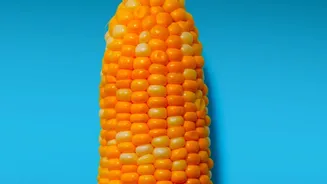
If you've ever wondered why you can't just throw kernels from a cob of sweet corn into a pot and expect popcorn, it comes down to its structure. Sweet corn has a much softer, more porous hull that isn't strong enough to trap steam and build pressure. It's also harvested when it's much younger and has a higher moisture and sugar content. Other types of corn, like dent corn used for animal feed, are also unsuitable. Only the unique Zea mays everta variety, with its tough, non-porous hull and hard starchy centre, has the right natural engineering to perform its signature explosive trick.