






The Data Deluge Meets Green Demand
India is in the midst of an unprecedented digital transformation. With over 900 million internet users and the rapid expansion of cloud computing, artificial intelligence (AI), and 5G services, the demand for data storage and processing is exploding.
Industry projections show India’s data centre capacity is set to more than double by 2026, attracting billions in investment from global and domestic players. However, this growth comes with an enormous appetite for power. Data centres are incredibly energy-intensive, and their consumption is projected to rise from under 2% of India's total electricity demand to as much as 6% by 2030. This surge is happening just as the world's largest technology companies—the primary clients for these data centres—are aggressively pursuing their own decarbonisation goals. For hyperscalers like Amazon, Google, and Microsoft, the carbon footprint of their infrastructure is no longer an afterthought; it's a core business metric. They are now demanding that their data be housed in facilities powered by green energy, transforming sustainability from a corporate slogan into a non-negotiable contract clause.
Beyond Corporate Social Responsibility
The shift towards renewable energy is no longer just about environmental, social, and governance (ESG) targets; it is a fundamental business strategy. For data centre operators, securing a reliable supply of green power has become a crucial competitive differentiator. Attracting a hyperscale tenant can be the anchor for a multi-billion dollar project, and these clients are increasingly choosing partners who can deliver on sustainability commitments. This makes access to renewable energy a powerful sales tool. Furthermore, long-term power purchase agreements (PPAs) with solar and wind farms can offer price certainty in a volatile energy market, often undercutting grid tariffs and providing a hedge against future cost increases. As the green data centre market in India is projected to grow from USD 1.6 billion in 2024 to over USD 7.6 billion by 2032, operators are realizing that investing in sustainability enhances brand value and directly impacts the bottom line. It's a move from viewing energy as a cost centre to leveraging it as a strategic asset.
The Race to Power Up Sustainably
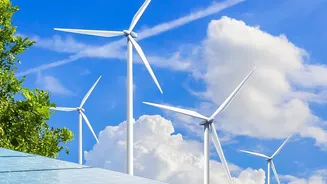
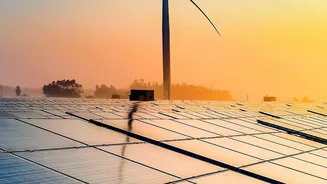
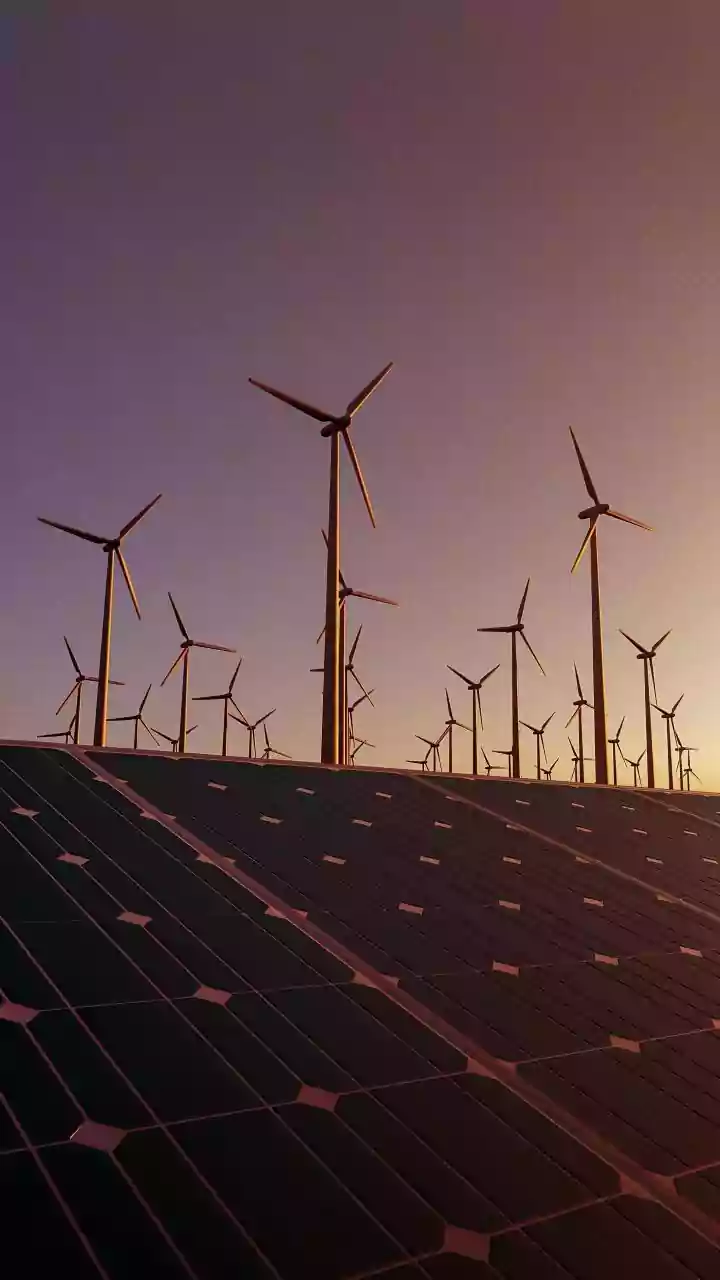
Across India, data centre companies are scrambling to secure their green credentials. The strategies are varied and ambitious. Major players like AdaniConneX, Yotta Infrastructure, and CtrlS are making significant investments in renewable energy. This includes building dedicated solar and wind farms, signing long-term PPAs, and integrating battery storage to ensure a round-the-clock supply of clean power. For instance, Yotta's NM1 data centre near Mumbai already sources a significant portion of its power from renewables, and Adani Group has announced massive investment plans for renewable-powered AI data centres. These moves are not just happening in established hubs like Mumbai and Chennai but also in emerging Tier-2 locations in states like Rajasthan and Gujarat, which offer proximity to large solar parks. The goal is to build a robust ecosystem where data centres can act as anchor customers for new renewable energy projects, creating a virtuous cycle of digital and green growth.
Navigating the Green Gridlock
Despite the clear momentum, the path to a fully green data centre industry is not without its challenges. The intermittent nature of solar and wind power remains a significant hurdle for facilities that require an uninterrupted 24/7 power supply. This necessitates expensive investments in battery energy storage systems (BESS) to ensure reliability. Furthermore, India's grid infrastructure, particularly in dense urban clusters where data centres are concentrated, is already under strain and requires significant upgrades to handle the massive new load. While government policies like the Green Open Access Rules are designed to make it easier for companies to procure renewable energy directly, regulatory hurdles and the complexities of land acquisition for new energy projects can still slow progress. Successfully navigating these infrastructure and policy challenges will be critical for operators looking to maintain a competitive edge in an industry where power, reliability, and sustainability are now inextricably linked.