




Meet Your Unwanted Kitchen Guests
In Indian kitchens, a well-stocked pantry is a source of pride, but it can also be an open invitation for pests. The most common culprits are small but persistent. You might find rice weevils (Sitophilus oryzae), which can turn a bag of rice into powder,
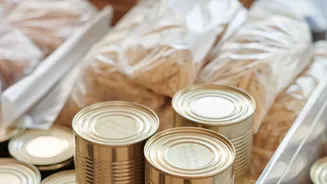
or flour beetles feasting on your atta. Another frequent visitor is the Indian meal moth, whose larvae spin webs in dried fruits, nuts, and cereals. These pests often hitch a ride into our homes from the grocery store, hidden inside paper, cardboard, or thin plastic packaging. They thrive in the warmth and humidity common in many Indian homes, making proper storage not just a matter of neatness, but a crucial line of defence.
The Foundation: Your First Line of Defence
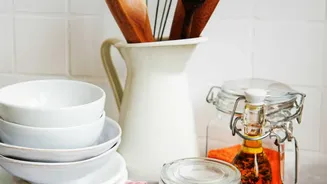
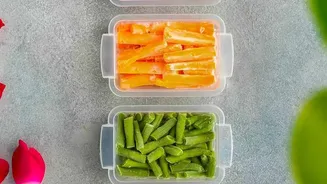
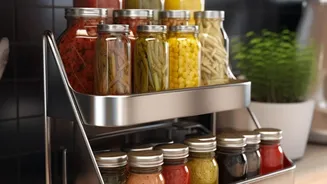
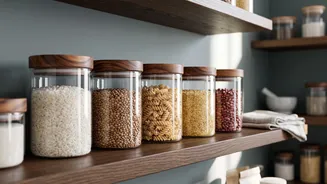
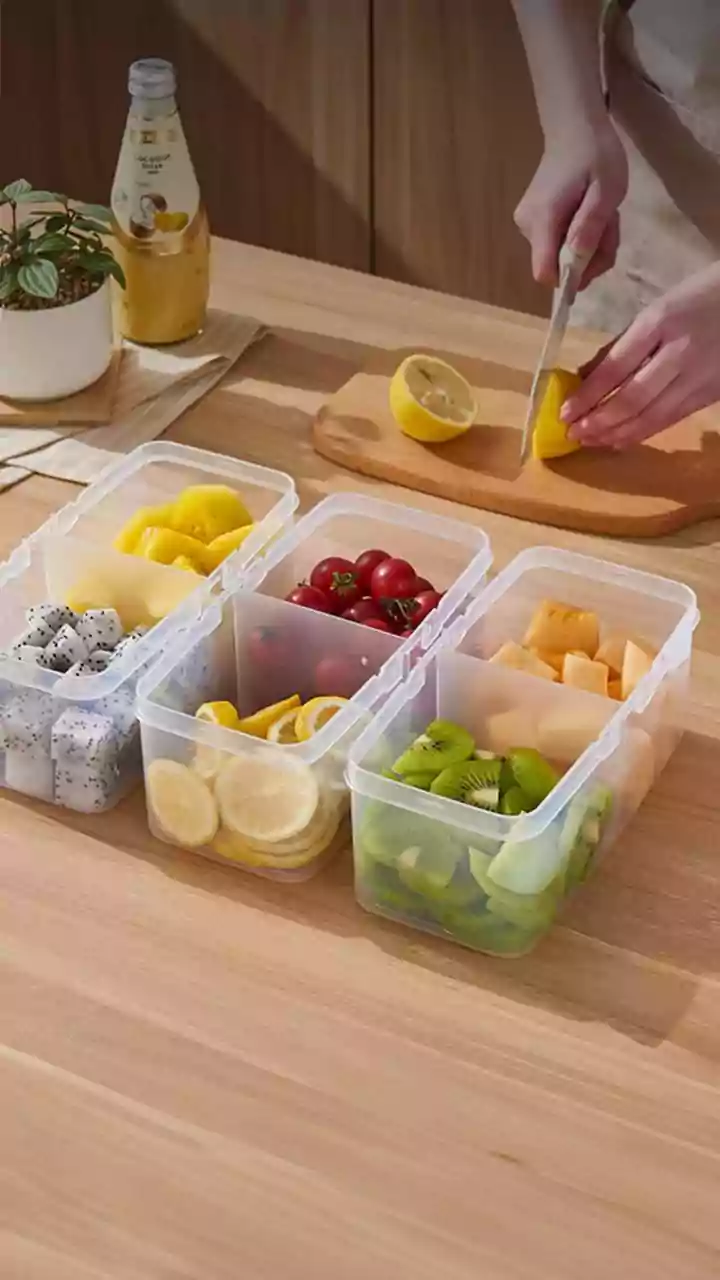
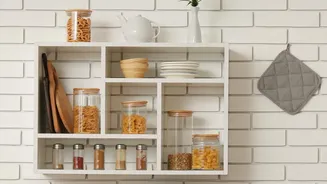
The single most effective step you can take is to transfer dry goods from their original packaging into airtight containers. Pests can easily chew through cardboard boxes and plastic bags, but they are stopped by durable, sealed containers. Materials like food-grade plastic, glass, or traditional stainless steel are all excellent choices. Transparent containers offer the added benefit of allowing you to see your stock levels at a glance, which helps with meal planning and reduces food waste. This one habit does more than just block pests; it also protects your ingredients from moisture, which can cause clumping in flour and spices, and preserves their freshness and aroma for longer.
Create a Hostile Environment for Pests
Pests are attracted to more than just food; they seek out environments that support their survival and breeding. Damp, dark, and cluttered spaces are ideal for them. To make your pantry inhospitable, focus on keeping it cool and dry. Immediately wipe up any spills, crumbs, or powders from shelves. These small messes can sustain a pest population. Good ventilation is also important to reduce humidity. Furthermore, organising your pantry with a “first-in, first-out” system ensures that older items are used up first, preventing forgotten packages from becoming breeding grounds. Storing food off the floor and slightly away from walls also makes cleaning easier and removes potential hiding spots.
The So-Called 'Hacks': Repellent vs. Reality
Social media is full of quick fixes promising a pest-free kitchen. Popular hacks include placing bay leaves, cloves, or cinnamon sticks in containers, or using sprays made from vinegar. While some of these have a basis in reality—the strong scent of herbs like bay leaves can act as a natural repellent for weevils and moths—they are not a foolproof solution. A repellent may discourage a few pests, but it won’t kill an existing infestation or stop a determined bug from accessing an open food source. Think of these methods as a minor backup, not your primary strategy. An airtight container is a physical barrier, which is always more effective than a scent that can fade over time. The real, time-tested 'hack' is consistent hygiene.
The Ultimate Solution: A Simple Cleaning Routine
Ultimately, a pest-free pantry comes down to a simple, consistent routine. Make it a habit to inspect new groceries for any signs of damage before storing them. Once or twice a month, take time for a deeper clean. Empty your pantry shelves, vacuum up any hidden crumbs from corners and crevices, and wipe the surfaces with soapy water. This removes not only food sources but also any unseen eggs that could lead to a future infestation. Discard any expired products you find along the way. This regular maintenance, combined with the foundational practice of using airtight containers, creates a system that is far more reliable than any viral trend, ensuring your kitchen remains a place of enjoyment, not frustration.