


Jagatsukh: A Portal to the Past
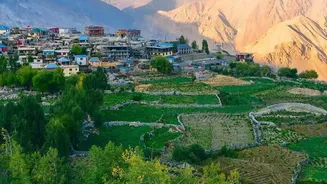
The journey begins not in the tourist hub of Manali, but six kilometres away in Jagatsukh. This isn't just a starting point; it's a step back in time. Once the capital of the Kullu kingdom, known as Nast, Jagatsukh breathes history. Its stone temples,
like the ancient Gaurishankar shrine, and traditional wooden homes stand in quiet contrast to the modern construction elsewhere. Starting here frames the trek differently. Instead of leaving a busy town, you depart from a place of deep cultural significance, setting a contemplative tone for the adventure ahead. The trail itself begins near the Allain Duhangan hydro project, quickly leaving motorable roads behind for a path that follows the Duhangan river into the wilderness.
From Forest Trails to Alpine Meadows
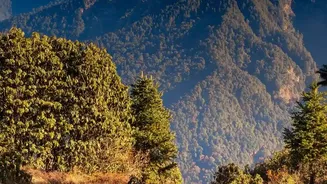
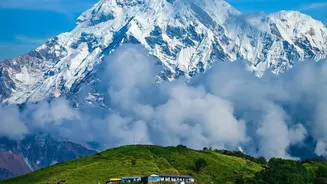
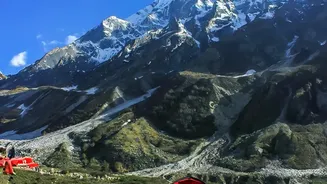
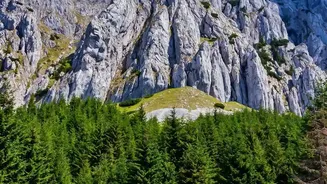
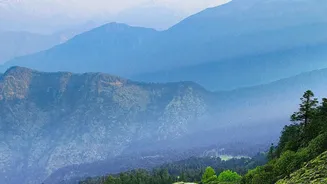
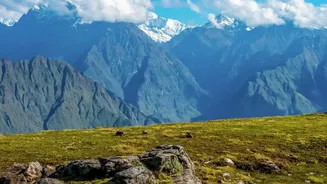
The first leg of the trek winds from the roadhead towards Chikka, a campsite nestled at around 10,000 feet. This initial stretch is a classic Himalayan experience, with a steady ascent through dense forests of pine, oak, and birch. The sound of the gushing Duhangan Nallah is a constant companion. Chikka itself is a welcome sight, an open area often used by local shepherds and home to a temple. From Chikka, the landscape begins its dramatic transformation. The trail climbs further to Seri, a truly unique feature of this trek. Seri is a vast, flat meadow that was once a glacial lake. After navigating forests and rocky paths, stepping into this expansive green pasture feels like entering another world, with waterfalls cascading down cliffs in the distance and the formidable Deo Tibba peak making its first breathtaking appearance.
The Approach to the 'Hill of the Gods'
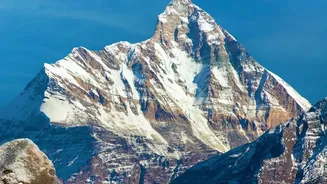
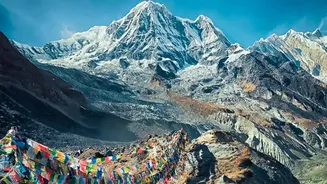
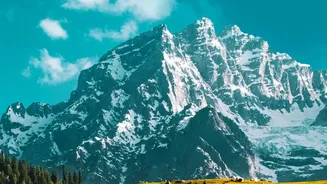
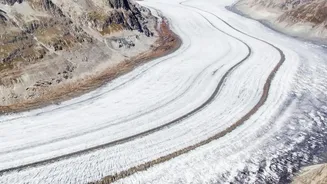
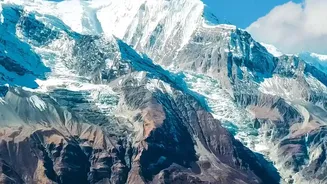
Beyond Seri, the trek gets more demanding as it moves towards the base camp at Tainta. The terrain becomes more rugged, a world of moraine and rock boulders left behind by ancient glaciers. This is where the trek reveals its raw, high-altitude character. Tainta, the base camp, sits at over 13,500 feet, a starkly beautiful campsite surrounded by towering peaks. From here, trekkers make the final push to the trek's main highlight: Chota Chandratal. This small, emerald-blue glacial lake rests at the foot of Deo Tibba, offering a spectacular, up-close view of the mountain's massive hanging glaciers. The name Deo Tibba translates to 'Hill of the Gods', and local belief holds that this dome-shaped peak is where the deities of the Kullu Valley assemble. Sitting by the serene lake, gazing at the majestic peak, it's easy to understand why this place is considered sacred.
An Experience in Solitude and Authenticity
What truly sets this route apart is not just the scenery, but the experience. It’s a moderately difficult trek that requires good physical fitness and acclimatisation, meaning it attracts more serious trekkers than casual tourists. This results in quieter trails and a deeper sense of immersion in nature. The path is still used by Gaddi shepherds, and encountering their flocks moving across the high-altitude pastures is a connection to a way of life that has existed for centuries. This trek is more than a physical challenge; it's a journey through layers of history, mythology, and the raw, untamed beauty of the Pir Panjal range. It’s a reminder that Himachal’s soul often lies just beyond the well-trodden path, waiting to be discovered by those willing to make the effort.