



What Exactly Is Digital Tourism?
Digital tourism is more than just booking a flight online. It’s a broad term for how technology is changing every aspect of travel, from inspiration to experience. It includes everything from a travel influencer’s viral Instagram Reel about a remote village
to using AI to plan a customised itinerary. A recent survey showed that 72% of Indian travellers discover new, offbeat destinations through short-form videos. This digital ecosystem also includes virtual reality (VR) tours that let you 'visit' a place before you book, AI-powered chatbots that answer travel queries, and government initiatives designed to bring small-scale tourism providers, like homestays and local guides, into a unified online network.
The Power of a Viral Post
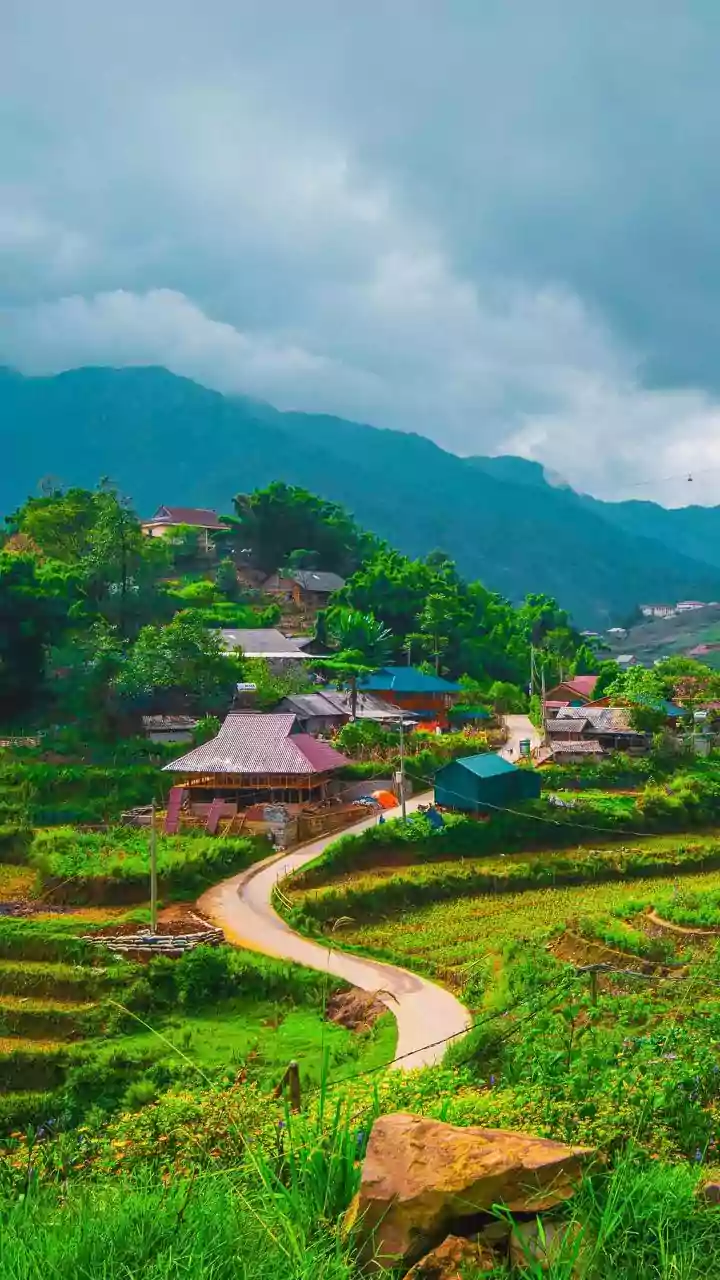
Social media platforms have become powerful engines for discovery. A single, stunning video of a waterfall in Meghalaya or a photo essay on the unique architecture of Chettinad can transform a little-known place into a must-visit destination. This is a game-changer for places that were previously invisible in traditional travel brochures. Travellers, especially younger generations, increasingly trust user-generated content and recommendations from influencers over polished marketing campaigns. They are actively searching for unique, authentic experiences away from crowded tourist circuits, and social media is where they find them. This has created a new kind of 'digital word-of-mouth' that can put remote locations like the Pangi Valley in Himachal or villages in Arunachal Pradesh on the map.
Beyond Social Media: A Connected Ecosystem
While social media creates the buzz, other digital tools provide the infrastructure to turn that interest into actual travel. The Indian government recently launched the National Digital Tourism Stack, an initiative in partnership with the Open Network for Digital Commerce (ONDC). The goal is to create a unified digital platform where travellers can discover and book a wide range of services—from homestays and local tours to transport—from verified providers. This helps small, local businesses gain visibility and trust. Startups are also playing a crucial role. Companies like VilloTale and NotOnMap are using technology to connect travellers with rural communities, promoting homestays and authentic cultural experiences while ensuring that the economic benefits reach the local population.
Putting Unseen India on the Map
The impact of this digital shift is visible across the country. Destinations in the North East, like Ziro Valley in Arunachal Pradesh and Mawlynnong in Meghalaya, have gained international fame partly through online visibility. Similarly, remote regions in Uttarakhand and Himachal Pradesh are attracting travellers looking for serene, untouched landscapes away from commercialised hubs like Shimla or Manali. The trend is helping to distribute tourist footfall more evenly, reducing the strain on popular hotspots. By showcasing places like Chatpal in Kashmir or Munsiyari in Uttarakhand, digital platforms encourage a more sustainable and diverse form of tourism.
A Win-Win for Travellers and Local Economies
This new wave of tourism offers a dual benefit. For travellers, it unlocks a treasure trove of authentic experiences, allowing them to connect with local cultures and landscapes in a more meaningful way. For small communities, it creates new livelihood opportunities. Homestay owners, local artisans, guides, and small cafes in previously overlooked areas can now connect directly with a national and even global audience. This model of community-based tourism helps generate income at the grassroots level, empowering local populations and helping to preserve their unique cultural heritage without the disruptive effects of mass tourism. The paradox, however, is that a place's 'hidden gem' status can be fleeting once it goes viral, a challenge that both travellers and communities must navigate.