1. The Traditional Pandals of North Kolkata
To understand the soul of Durga Puja, one must begin in the north. The pandals here, especially in areas like Bagbazar and Shyambazar, are less about contemporary themes and more about tradition. Bagbazar Sarbojanin, one of the oldest community pujas
in the city, is a must-visit for its stunning, traditional idol and the classic 'Daaker Saaj' (silver foil and pith ornamentation). The atmosphere is charged with nostalgia, as families who have attended for generations mingle with curious visitors. The experience is complemented by sprawling fairs complete with Ferris wheels and food stalls, offering a taste of a quintessential Bengali celebration that has remained unchanged for decades. The focus on rituals and heritage provides a powerful contrast to the more modern interpretations found elsewhere in the city.
2. The Artistic Marvels of South Kolkata
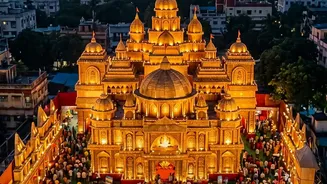
South Kolkata is where artistry and innovation take centre stage. Community clubs compete to create the most elaborate and thought-provoking 'theme' pandals, transforming entire neighbourhoods into immersive art installations. Places like Ekdalia Evergreen, Suruchi Sangha, and Chetla Agrani are famous for their ambitious designs, which can range from replicas of world-famous temples to abstract concepts highlighting social issues. Pandal-hopping here is akin to visiting a series of open-air museums, each with a unique narrative. While the queues can be long, especially in the evenings, the spectacle of light, sound, and creativity is an unforgettable experience. These pandals showcase how the festival has evolved into a platform for Bengal's top artists and craftsmen.
3. Kumartuli: Where the Goddess Takes Form
A visit to Kumartuli, the potters' quarter in North Kolkata, offers a fascinating behind-the-scenes look at the festival. This is where, for months, skilled artisans meticulously craft thousands of Durga idols from river clay, straw, and bamboo. Walking through the narrow, labyrinthine lanes, you can witness every stage of the process, from the initial framework building to the final, delicate painting of the eyes. The weeks leading up to the puja are a flurry of activity as idols are prepared for transport to pandals across the city and even the world. It’s a powerful experience to see the divine figures in various stages of completion, and it provides a deep appreciation for the craftsmanship that is central to the entire celebration. The area is a photographer's paradise, capturing the essence of a tradition passed down through generations.
4. The Historic Bonedi Bari Pujas
For a glimpse into how Durga Puja was celebrated centuries ago, step into a 'Bonedi Bari' or the ancestral home of one of Kolkata's old aristocratic families. Many of these families open their doors to the public during the festival, offering an intimate and historically rich experience. Unlike the massive community pandals, these pujas are held in the grand courtyards ('thakur dalan') of historic mansions. Sovabazar Rajbari, which started its puja in 1757, is one of the most famous, known for its opulent setting and age-old rituals. Other notable homes include those of the Sabarna Roy Choudhury family, whose puja predates the city of Kolkata itself, and the Khelat Ghosh Bari. Visiting a Bonedi Bari feels like stepping back in time, allowing you to witness unique family traditions and a more serene, personal form of worship.
5. The Immersion Ceremony at the Ghats
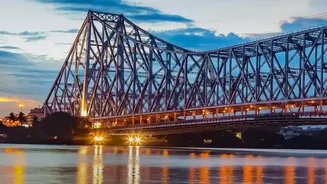
The festival culminates on Vijaya Dashami with the immersion (visarjan) of the Durga idols in the Hooghly River. The ghats, or riverside steps, become the final stage for the goddess's farewell journey. Processions from all over the city, filled with music and dancing, converge at ghats like Babughat, Ahiritola Ghat, and Baje Kadamtala Ghat. The atmosphere is a poignant mix of celebration and sadness, as devotees bid farewell to the goddess with the hope of her return next year. The sight of hundreds of beautifully crafted idols being ceremoniously immersed against the backdrop of the Howrah Bridge is a powerful and moving spectacle. It marks the end of the festivities but also symbolizes the cycle of life and renewal that is at the heart of the celebration.