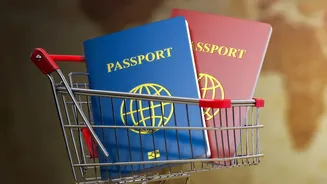




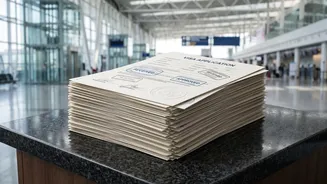
The dream holiday, meticulously planned, can quickly unravel before it even begins, snagged not by flight delays but by a wall of paperwork. A growing number of global travellers are now sidestepping destinations with complex immigration hurdles.
The Growing 'Paperwork Wall'
An increasing
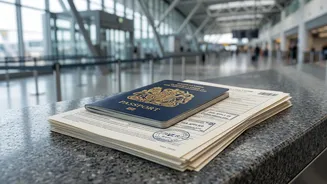
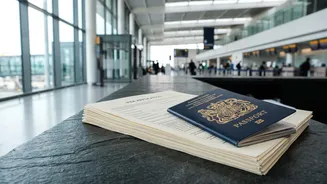
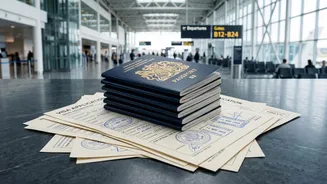
number of would-be tourists are finding that the biggest obstacle to their trip is the visa application itself. According to a 2026 Global Passenger Survey by the International Air Transport Association (IATA), 43% of travellers have been discouraged from visiting a country simply because of its immigration requirements. This is a significant jump from 33% just a year prior, signalling a growing frustration among global travellers. The primary complaint isn't necessarily the cost, but the sheer complexity of the process, cited by 53% of those deterred. This 'paperwork wall' consists of lengthy application forms, extensive documentation demands like bank statements and tax returns, uncertain processing times, and often, the need for in-person interviews at embassies or consulates.
A Tale of Two Systems
The United States serves as a prime example of how such hurdles can impact tourism. The average global wait time for a US visitor visa interview surged to 201 days in fiscal year 2025, a dramatic increase from just 26 days in 2019. In some countries, the wait was even more extreme. This has been linked to staffing shortages at consulates and a post-pandemic surge in applications. The U.S. tourism industry, which remained billions below pre-pandemic levels in 2025, has felt the economic impact of these delays. For Indian travellers, for instance, the weighted-average interview wait time stood at a staggering 346 days in fiscal year 2025, handled by a limited number of consular officers. These delays create a 'de-facto border closure' for many eager travellers.
The Economic Cost of Complexity
For countries competing for valuable tourism dollars, a difficult visa process is a significant economic own-goal. When travellers compare destinations, ease of entry is now a major competitive factor, alongside flights and accommodation. A traveller may simply choose a country with a simpler entry process over one with long application timelines and uncertain outcomes. This trend is particularly pronounced among African travellers, 52% of whom reported being discouraged by entry requirements, the highest of any region surveyed by IATA. Affluent travellers are also noted to be seeking more 'approachable' alternatives to avoid visa hurdles and overcrowding, shifting tourism maps toward more accessible destinations.
The Rise of Visa-Free Convenience
In response, many countries are leaning into visa_free travel as a powerful marketing tool. Nations that offer visa_free entry, visa_on_arrival, or simple e_visa processes are gaining favour among modern travellers, especially those from India. Destinations like Vietnam, Georgia, and Malaysia are rising in popularity partly due to their accessible entry policies. Georgia, for example, allows travellers from many countries to stay for up to a full year without a visa, making it a hotspot. Similarly, countries like Turkey and the UAE offer generous visa_free stays, attracting tourists who value spontaneity and simplicity. This frictionless travel is becoming a key differentiator, allowing nations to attract tourists who might otherwise have gone to more traditional, but administratively burdensome, destinations.
Is Digital the Solution?
Travellers are overwhelmingly ready for a digital revolution in immigration. The IATA survey found that a large majority of passengers are interested in using digital passports and are willing to share biometric information if it simplifies their journey. Furthermore, 60% of travellers would prefer to apply for a visa online rather than in person. The move towards evisas, which many countries have adopted, is a step in the right direction. However, the full potential of a seamless, digital, and prevetted travel experience is yet to be realized globally. While technology offers a path to reducing complexity, systemic issues like consular staffing and international cooperation must also be addressed to truly break down the barriers.