





The lights, the sweets, the joy—festive feasting is a cherished tradition. But the aftermath can leave us feeling sluggish. A cardiologist’s advice offers a simple, science-backed path to reset: focus on vegetables and fibre.
Understanding the Festive Aftermath
After days of enjoying rich,
fried, and sugary delicacies, it's common to feel bloated, tired, and out of sync. This post-festival slump is your body’s response to a sudden increase in salt, sugar, and unhealthy fats. These foods can spike blood pressure, raise cholesterol, and disrupt your digestive system, leading to discomfort and fatigue. Cardiologists note that this period of overindulgence can put significant strain on the heart, especially for those with existing health conditions. The goal isn't to feel guilty about celebrating, but to understand the physical effects and take gentle steps to help your body recover.
The Cardiologist’s Prescription: A Gentle Reset
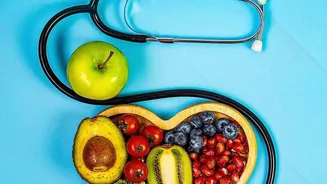
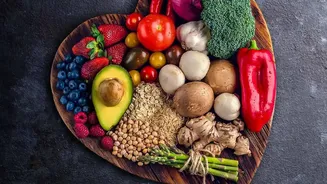
Health experts are clear: the answer to post-festival indulgence is not a punishing crash diet or an extreme 'detox' plan. Instead, cardiologists advocate for a return to balanced, whole foods. The core of this advice is simple and sustainable: increase your intake of dietary fibre and vegetables. This approach isn't about deprivation but about nourishment. It helps restore balance to your system, supports heart health, and gets your energy levels back on track without the negative effects of drastic dieting.
Fibre: Your Digestive System’s Hero
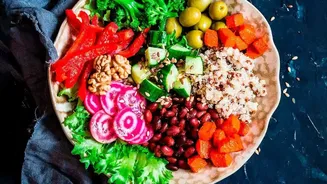
Fibre is a type of carbohydrate that your body can't digest, and it plays a crucial role in post-festival recovery. Soluble fibre, found in oats, beans, apples, and carrots, helps lower cholesterol levels by preventing its absorption. Insoluble fibre, found in whole grains and vegetables, adds bulk to stool, aiding digestion and preventing the constipation that often follows a diet of rich, low-fibre foods. A high-fibre diet helps you feel full longer, which can prevent post-festival cravings and overeating. Aiming for 25-38 grams of fibre per day, as recommended by many health bodies, can help stabilise blood sugar, improve gut health, and support a healthy weight.
Vegetables: The Nutrient Powerhouses
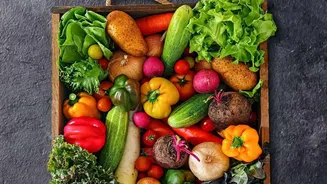
Filling your plate with vegetables is one of the most effective recovery strategies. Vegetables are naturally low in calories and high in the vitamins, minerals, and antioxidants your body needs to process the festive excess. Leafy greens like spinach are rich in B vitamins that help metabolise fats. A variety of colourful vegetables ensures you get a wide spectrum of nutrients that reduce inflammation and support overall health. Cardiologists recommend filling at least half your plate with vegetables at every meal. They are also high in fibre, which contributes to feelings of fullness and helps regulate your appetite.
Hydration and Movement are Key
Alongside a diet rich in fibre and vegetables, two other elements are critical for recovery: water and light exercise. Drinking plenty of water helps your kidneys flush out excess sodium, which reduces bloating and helps normalise blood pressure. It also aids digestion and keeps your energy levels up. Gentle movement, such as a 15nd minute walk after meals, can significantly aid digestion, lower blood sugar, and improve your mood. It's a simple, effective way to combat postnd meal sluggishness and support your body’s return to balance without the stress of a strenuous workout.
What to Limit for a Smoother Recovery
A gentle reset also involves mindfully reducing the foods that put a strain on your system. For a week or so after the festival, try to limit processed foods, sugary drinks, and refined carbohydrates like white flour and sugar. These foods can contribute to inflammation and energy crashes. It’s also wise to scale back on highnd fat and excessively salty snacks to give your digestive system and heart a rest. The focus should be on homend cooked meals where you can control the amount of oil and salt used, prioritising wholend unprocessed ingredients that nourish your body.