






The Numbers Don't Lie
The story of India's EV boom is best told through its soaring sales figures. In the first quarter of fiscal year 2027 alone, retail EV registrations surged by nearly 90% year-on-year, crossing 82,000 units in the passenger vehicle segment. June 2026 marked
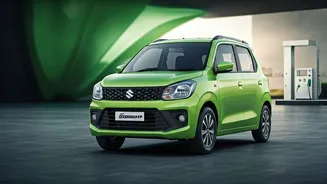
a milestone, with total monthly electric passenger vehicle sales crossing 30,000 for the first time ever. This represents a staggering 106% growth compared to the previous year. This explosive growth has been led by key players. Tata Motors has solidified its dominance, capturing a 39% market share in the first quarter of FY27. Following behind are Mahindra & Mahindra and MG Motor, who collectively with Tata account for over 82% of the market. The market is also seeing new, aggressive entrants like VinFast and the much-anticipated EV debut from Maruti Suzuki, indicating that the competition is just heating up.
Government in the Driver's Seat
This market transformation didn't happen in a vacuum. It has been actively shaped by government policy. The Faster Adoption and Manufacturing of Electric Vehicles (FAME) scheme has been a cornerstone, providing crucial demand incentives to make EVs more affordable. FAME-II, with an outlay of ₹10,000 crore, specifically targeted public transport, commercial vehicles, and two-wheelers to accelerate mass adoption. Beyond subsidies, Production Linked Incentive (PLI) schemes for manufacturing advanced batteries and automotive components are encouraging domestic production, aiming to reduce reliance on imports, particularly for critical battery components. State-level policies have also played a vital role, with over 20 states implementing their own EV policies that complement the central government's vision.
The Two-Wheeler Revolution
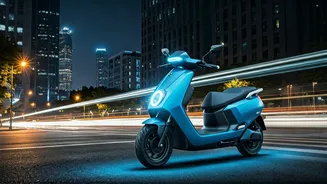
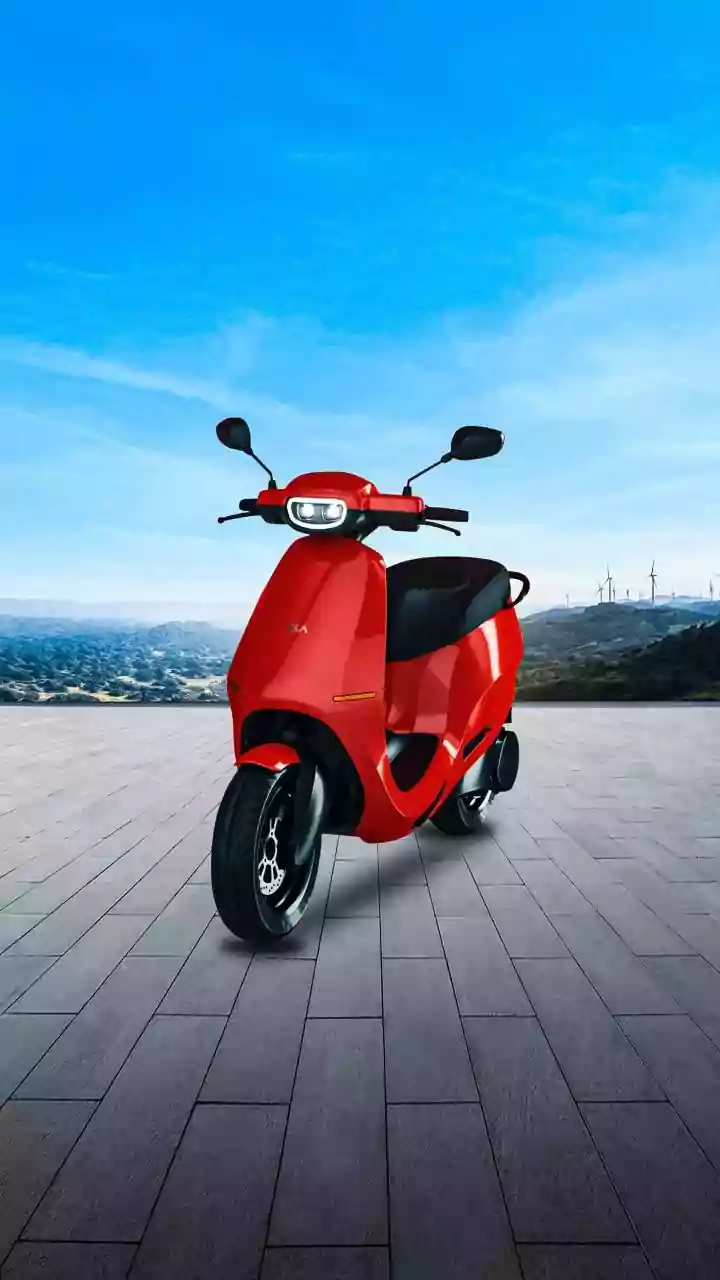
While electric cars grab headlines, the real volume driver in India's EV story is the two-wheeler segment. In fiscal year 2026, electric two-wheelers accounted for nearly 58% of all EV sales. This makes perfect sense in the Indian context, where scooters and motorcycles are the primary modes of transport for millions. Companies like Ola Electric, TVS Motor, and Ather Energy have been at the forefront, offering products with attractive running costs and improving performance. Ola Electric, for instance, nearly doubled its registrations sequentially in the first quarter of FY26, showcasing the sustained demand in this space. For daily commutes, the lower running cost and convenience of home charging make electric scooters a compelling proposition for the average Indian consumer.
Overcoming the Roadblocks
The journey to full electrification is not without its hurdles. The high upfront cost of EVs, though decreasing, remains a significant barrier for many price-sensitive buyers. Another major challenge is 'range anxiety,' the fear of running out of power, which is directly linked to the adequacy of charging infrastructure. While the number of public charging stations has grown significantly, from around 5,000 in 2022 to over 26,000 by early 2025, there is still a long way to go to match the pace of EV sales. The industry also faces supply chain vulnerabilities, including a heavy dependence on imported battery cells and semiconductors. Addressing these issues by strengthening domestic manufacturing and strategically expanding the charging network is critical for sustained growth.
A Charged-Up Future
Despite the challenges, the momentum is undeniable. India’s EV market is projected to grow from around $2.36 billion in 2024 to over $164 billion by 2033. The government's goal is to have EVs make up 30% of all new vehicle sales by 2030. This ambition is backed by a pipeline of new, more affordable models, with manufacturers expected to launch over 35 different models by the next financial year, many in the sub-₹15 lakh segment. Significant investments are also flowing into localizing battery production, with facilities like Ola's Gigafactory expected to start commercial production soon. This focus on building a complete ecosystem—from manufacturing to charging—ensures that the current growth is not just a temporary spike, but the beginning of a long-term, sustainable shift in Indian mobility.