





The Sweet Challenge of a Changing Climate
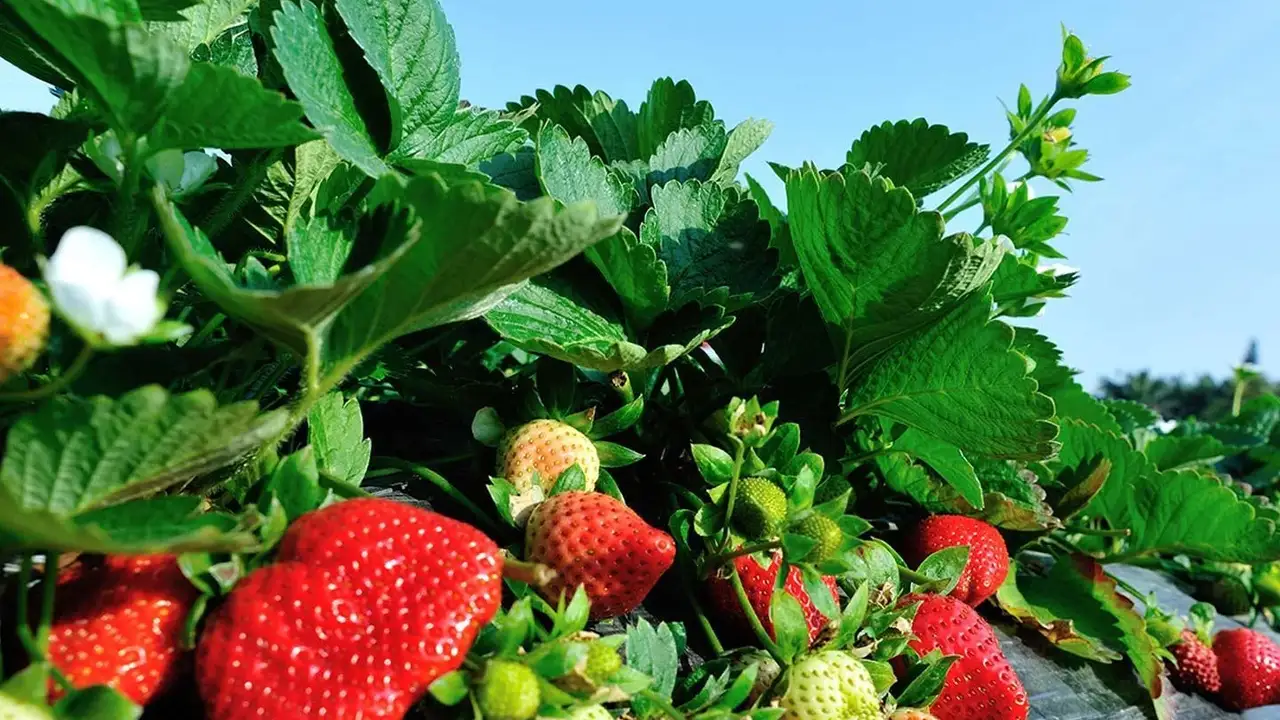
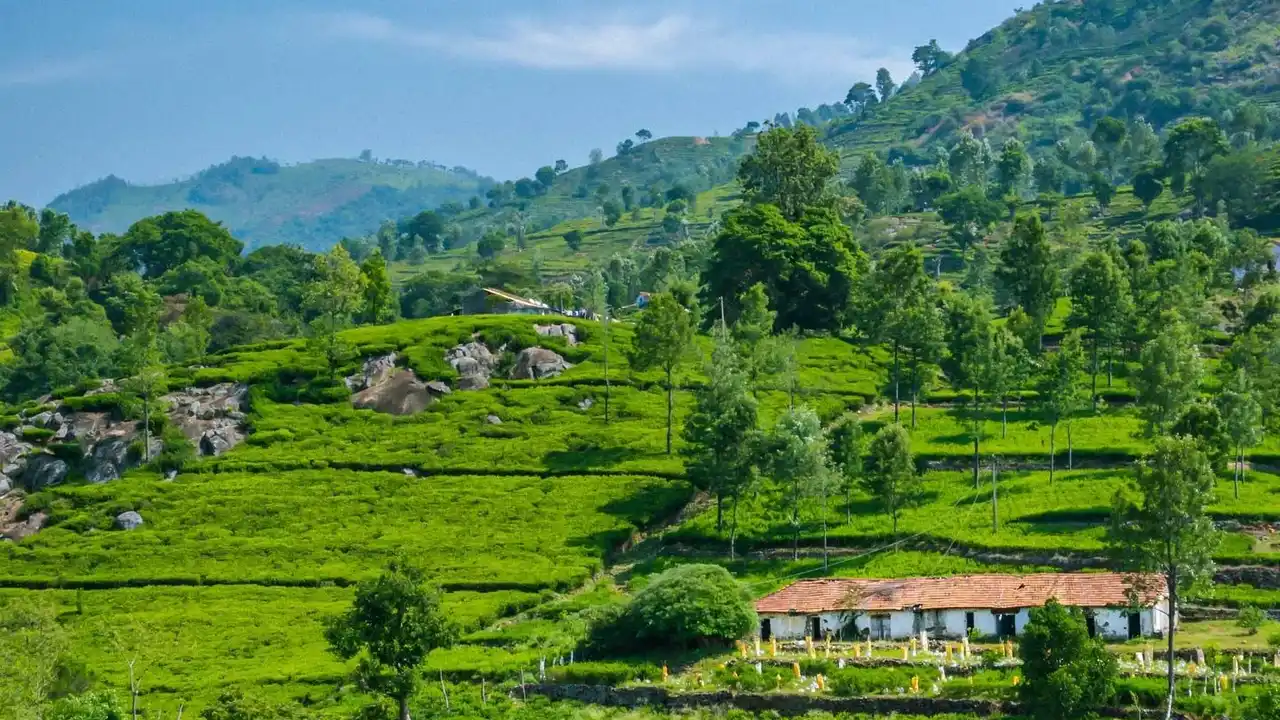
Strawberry cultivation in India, traditionally concentrated in cooler highlands like Mahabaleshwar and Panchgani, is a delicate operation. The fruit is highly sensitive to temperature and moisture, requiring cool winters and well-distributed rainfall
to flourish. However, climate change is disrupting this delicate balance. Warmer winters, erratic rainfall, and unseasonal heat spells are increasingly common, leading to significant challenges for farmers. These changes can cause earlier or compressed flowering, increase the demand for irrigation, and create a higher risk of fungal diseases. For farmers, this translates to yield volatility and financial uncertainty, while for consumers, it can mean lower quality fruit with reduced sweetness and a shorter shelf life.
A Powerful Scientific Partnership
To address this critical issue, two powerhouse Indian institutions have joined forces: the Mahatma Phule Krishi Vidyapeeth (MPKV), Rahuri, and the Bhabha Atomic Research Centre (BARC), Mumbai. MPKV, a leading agricultural university in Maharashtra, brings deep expertise in horticulture and crop science, understanding the specific needs of farmers and the regional agro-climatic conditions. BARC, the nation's premier nuclear research facility, contributes its specialised knowledge in mutation breeding, a proven scientific method for crop improvement. This collaboration aims to develop India's first truly indigenous strawberry varieties, specifically bred to withstand the nation's unique environmental pressures.
Harnessing Mutation for Hardier Crops
The core of the programme involves using gamma radiation to induce mutations in strawberry plants. This process, known as mutation breeding, is a safe and well-established scientific technique that accelerates the natural process of genetic variation. It is not the same as creating a genetically modified organism (GMO); rather, it mimics what happens in nature over much longer periods, allowing scientists to generate a wide range of genetic diversity quickly. From this large pool of variants, researchers can then identify and select plants that exhibit desirable traits for further development. BARC has successfully used this method for over six decades to develop more than 70 new varieties of crops like pulses, oilseeds, and rice, improving traits like yield, disease resistance, and climate tolerance.
The Search for the 'Super Strawberry'
The goal of the MPKV-BARC programme is to create a 'super strawberry' perfectly suited for Indian conditions. The key traits researchers are searching for are climate resilience, particularly tolerance to heat and drought. This would allow strawberry cultivation to become more stable in traditional regions and potentially expand to new, non-traditional areas of the country. Beyond climate hardiness, the programme also focuses on improving yield, enhancing fruit quality (including size, sweetness, and flavour), and extending shelf life. A longer shelf life is particularly crucial, as it would reduce post-harvest losses and allow farmers to access markets further away, improving their profitability. Currently, much of India's strawberry cultivation relies on expensive imported varieties, so developing a home-grown alternative is a major step towards self-reliance.
From the Lab to the Land: A Sweeter Future
While developing a new crop variety through this rigorous process can take time, the potential benefits are immense. For India's farmers, access to locally adapted, climate-resilient strawberry varieties means more predictable harvests, lower risk, and a more stable income. It could open up new economic opportunities and reduce dependence on costly imported planting materials. For consumers across India, this research promises a future with more consistent availability of high-quality, delicious strawberries. It's a prime example of how strategic scientific research can directly address the challenges of climate change, ensuring food security and bolstering the agricultural economy. This forward-thinking programme isn't just about saving a fruit; it's about cultivating a more resilient future for Indian agriculture.