

The Right Foundation: Pot and Soil
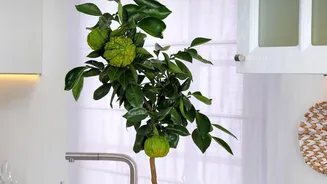
Success starts with the right home for your lemon tree. Choose a large pot, at least 18-24 inches in diameter, to give the roots ample space to grow. Terracotta or ceramic pots are often recommended over plastic as they allow for better airflow to the roots.
Crucially, the pot must have excellent drainage holes to prevent waterlogging, which can lead to root rot. For the soil, lemon trees prefer a well-draining, slightly acidic mix. You can buy a commercial citrus-specific potting mix or create your own by blending regular potting soil with perlite or coarse sand to improve drainage. Adding organic compost will provide a great nutrient base to start with.
Let There Be Light: Sunlight Needs
Lemon trees are sun-lovers. To flourish and produce fruit, your potted plant needs a location where it will receive at least 6 to 8 hours of direct, bright sunlight every day. A south-facing balcony or a sunny spot on a terrace is ideal. In very hot Indian climates, you may need to protect your plant from the harshest afternoon sun to prevent its leaves from getting scorched. Good air circulation around the plant is also beneficial for preventing diseases.
The Art of Watering
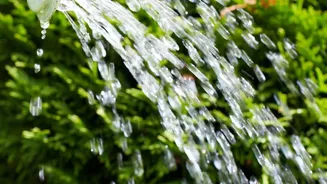
Watering is a critical step where many gardeners go wrong. The golden rule is to water deeply but infrequently. Instead of sticking to a rigid schedule, check the soil first. A reliable method is to insert your finger about two inches into the soil; if it feels dry at that depth, it's time to water. When you do water, do so thoroughly until you see water running out of the drainage holes at the bottom. This ensures the entire root system gets hydrated. Then, allow the top layer of soil to dry out before watering again. Overwatering is a common mistake and can be more harmful than underwatering.
Feeding Your Tree for Fruitful Returns
Potted lemon trees are heavy feeders because the nutrients in the container are finite and wash out with watering. To encourage lush foliage and abundant fruit, regular feeding during the growing season (spring through early fall) is essential. Use a balanced fertiliser specifically formulated for citrus trees. These often have a higher nitrogen content, with NPK ratios like 6-3-3 being effective. Apply the fertiliser every 3 to 6 weeks, following the instructions on the package. You can also supplement with organic options like vermicompost or well-rotted cow manure to keep the soil rich.
Pruning for Shape and Health
Pruning helps maintain the tree's shape, improves air circulation, and encourages healthy, productive growth. The primary goal is to remove any dead, damaged, or diseased branches. You should also prune any branches that are crossing or rubbing against each other. This helps open up the plant's structure, allowing more light and air to reach the inner branches, which reduces the risk of fungal diseases. While some sources suggest lemon trees can thrive without much pruning, a light shaping can help manage its size and focus its energy on fruit production.
Pest Management and Prevention
Potted citrus can attract common pests like aphids, spider mites, and scale insects. Regularly inspect your plant, paying close attention to the undersides of leaves and new growth. Aphids often cluster on new shoots and can cause leaves to curl, while fine webbing may indicate spider mites. If you spot pests, you can often manage minor infestations by spraying the plant with a solution of insecticidal soap or neem oil. Keeping the area around your plant clean also helps prevent issues.