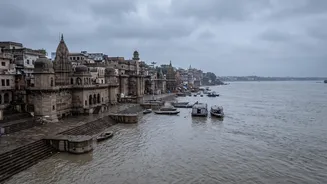

The Current Flood Situation
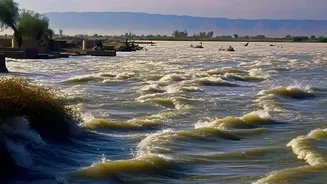
As of early September 2026, the Ganga's water level in Varanasi has surpassed the warning mark of 70.26 meters, with reports on September 3rd noting it at 70.54 meters and rising. The river is approaching the official danger level of 71.262 meters. This
seasonal flooding, amplified by heavy rainfall in the region, has prompted local authorities to go on high alert, monitoring the situation continuously and setting up relief camps for affected residents. Forecasts predict more rain, suggesting the water levels could remain high or climb further.
Are Tourist Boat Rides Available?
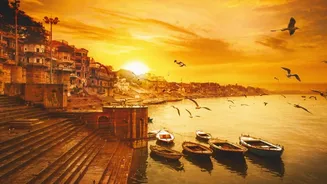
No. As a primary safety measure, the district administration has suspended all passenger boat operations on the Ganga. This includes the popular sunrise and evening boat tours that are a highlight for many visitors. The strong currents and submerged debris make boating extremely hazardous. Officials have strongly urged tourists and residents alike to stay away from the ghats and avoid entering the water. Any informal offers of boat trips should be refused until services are officially restored by the administration.
What is the Impact on the Ghats?
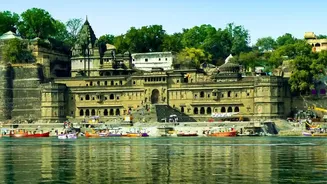
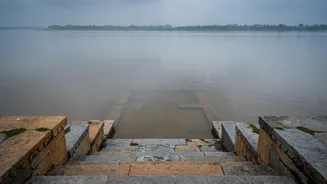
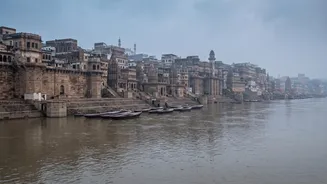
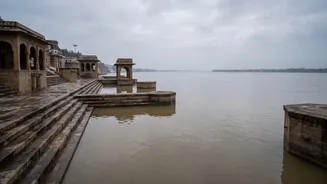
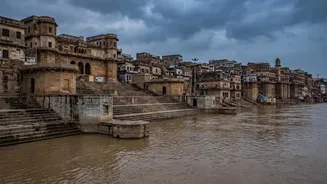
The iconic ghats, the long series of steps leading down to the river, are the heart of Varanasi's spiritual life, but many are now partially or completely submerged. Reports indicate that all 84 ghats have been inundated to some degree. This makes accessing the river difficult and dangerous. The flooding has also submerged landmarks like the lower platforms at Dashashwamedh Ghat and the 'Namaste' statue at Namo Ghat. Movement between the ghats, which is normally possible on foot, has been severely disrupted.
Is the Evening Ganga Aarti Still Happening?
Yes, but with modifications. The famous Ganga Aarti ceremony, a must-see fire ritual held at Dashashwamedh Ghat, has been impacted by the rising waters. With the traditional platforms on the riverbank submerged, organizers have been forced to move the ceremony to higher ground. In some cases, this means conducting the ritual on the rooftops of adjacent buildings. While the powerful ceremony continues, visitors should expect a different viewing experience, potentially from a more crowded and distant vantage point.
How Are Cremation Rituals Affected?
The floods have also profoundly affected the sacred cremation grounds, particularly Manikarnika Ghat. The lower areas of the ghat are completely underwater, forcing families to conduct last rites on the rooftops of nearby buildings or in narrow, crowded upper lanes. This has made the already intense experience more challenging, with funeral processions navigating through floodwaters to reach the designated cremation spots. While this is a deeply personal local affair, it is a visible and dramatic sign of the flood's impact on the city's essential functions.
Travel and Safety Recommendations
If you are planning to travel to Varanasi, flexibility is key. Your experience will be different from what you might see in typical travel photos. Prioritize your safety above all: do not enter the floodwaters, which can be contaminated and carry strong currents. Drink bottled water and follow hygiene precautions. While the city itself remains open, access to its main riverfront attractions is severely limited. Check with your hotel or tour operator for the most current conditions on the ground before and during your trip.