





The Philosophy: Structure Over Spackle
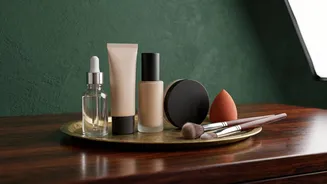
Facial layering is a technique that prioritizes dimension and a skin-like finish over opaque coverage. Professional makeup artists think of it not as piling on products, but as building structure with thin, intentional veils of makeup. Each product has
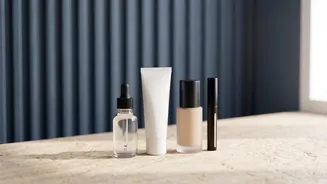
a purpose: primer grips foundation, foundation evens tone, concealer targets specific areas, and color products like blush and bronzer add life back into the face. The goal is to enhance your features, not hide them under a thick layer. When done correctly, the final look is flexible, stable, and looks more natural because it works with your skin's texture, not against it. This method proves that the number of layers is less important than the strategy and technique behind them.
The First Step: A Well-Prepped Canvas
The foundation of good makeup is good skin preparation. Attempting to layer products on dry or unevenly textured skin is a recipe for a patchy finish. Before any color comes near your face, your skin should be cleansed, toned, and moisturized. This creates a smooth, hydrated canvas that allows makeup to glide on evenly. A primer is the next crucial step. It helps to minimize the appearance of pores and creates a gripping surface for your foundation to adhere to, ensuring it lasts longer without sliding or separating. Think of it as creating the perfect base that allows every subsequent layer to perform at its best.
Strategic Layers: Building Natural Dimension
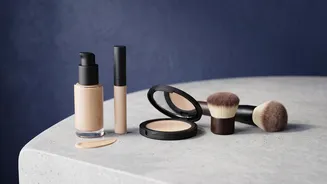
Layering isn’t about applying a uniform coat of product across your entire face. Instead, it’s about strategic placement. A common professional approach involves applying liquids and creams before powders. This prevents the makeup from looking cakey or disrupting the layers underneath. You can start with a thin layer of foundation to even out the overall skin tone. Then, apply concealer only where needed, such as on blemishes or under the eyes, rather than all over. This targeted approach uses less product for a more natural result. To add dimension, bronzer or contour can be applied to areas where shadows naturally fall, like the hollows of the cheeks and along the jawline, while blush brings a healthy flush to the apples of the cheeks. This strategic placement reintroduces the natural highs and lows of your face that foundation can flatten out.
The Golden Rule: Blending is Everything
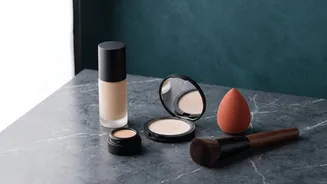
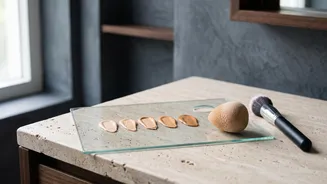
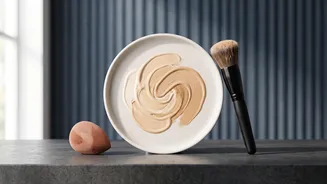
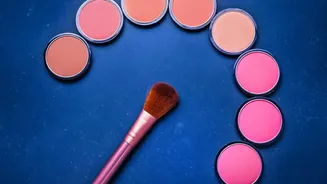
This is the most critical part of the facial layering technique. Without proper blending, you’re left with harsh lines and obvious patches of product. The goal is to diffuse the edges of each layer so they melt seamlessly into one another. The right tools are essential. A damp makeup sponge is excellent for pressing and tapping liquid or cream products into the skin, which helps them merge without creating streaks. Brushes are great for diffusing powders; a large fluffy brush for bronzer and a smaller one for blush can help apply color softly. The key is to use light pressure and build intensity gradually. Remember to blend more than you think you need to, using clean brushes or sponges to ensure there are no visible transitions between your foundation, concealer, bronzer, and blush.
Finishing Touches: Setting Without The Weight
After you’ve layered and blended, the final step is to lock everything in place without adding bulk. This is where many people go wrong, by applying a heavy layer of powder all over the face. Instead, be selective. Use a small, fluffy brush to apply a light dusting of translucent setting powder only to the areas that tend to get oily or crease, like the T-zone and under the eyes. This targeted approach keeps your makeup in place while allowing other areas of your face to retain a natural, skin-like radiance. A final spritz of a setting spray can help melt all the layers together, remove any powdery look, and give your makeup longevity. This last step ensures all your careful layering and blending work lasts all day.