






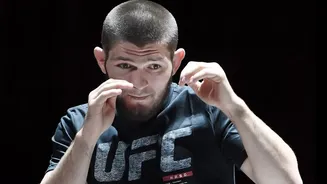
What Exactly Is Shadow Boxing?
At its core, shadow boxing is the art of fighting an imaginary opponent. It involves practicing all the movements of boxing—punches, footwork, and defensive manoeuvres—without a bag or partner. This might sound simple, but trainers and fitness experts
recognise it as one of the most essential drills in the sport, used by everyone from first-timers to world champions. The goal isn't to hit hard, but to move correctly. By removing the impact of a heavy bag, you can focus entirely on your mechanics: how your hips rotate, how your feet are positioned, and the path your punches travel. This makes it an ideal exercise for building a strong foundation and correcting errors before they become ingrained habits.
The Key Benefits of Fighting the Air
Shadow boxing is far more than just a warm-up; it's a powerful full-body workout. One of its primary benefits is the development of muscle memory. By repeating punches, slips, and footwork, you teach your body to respond instinctively. It also dramatically improves cardiovascular health. The constant movement, alternating between bursts of punches and active recovery, functions like high-intensity interval training (HIIT), strengthening your heart and lungs. Furthermore, it enhances coordination, balance, and motor skills, as it forces your entire body to work as a single, coordinated unit. Best of all, it’s a low-impact workout, meaning it’s gentle on your joints while still delivering significant fitness gains.
Prioritising Form Over Brute Force
For beginners, the temptation to punch with maximum power is common, but it's also a fast track to injury and bad habits. Shadow boxing is the perfect antidote. It forces you to slow down and concentrate on technique. True power in boxing comes from relaxation and speed, not muscular tension. By practicing in front of a mirror, you get instant visual feedback on your form. You can check your stance, ensure your hands return to a defensive guard position after punching, and verify that you're pivoting your feet correctly. This focus on precision ensures you develop efficient, powerful movements safely, building a technical base that will serve you well if you later transition to bag work or sparring.
Your First Shadow Boxing Session
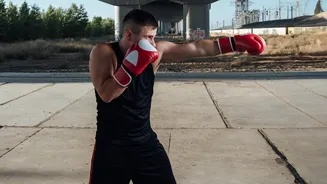
Ready to start? Find some open space, preferably in front of a mirror. Begin in a proper boxing stance: feet shoulder-width apart, knees slightly bent, with your non-dominant foot forward. Raise your fists to your chin, keeping your elbows tucked in. Start by moving around, staying light on the balls of your feet. Then, introduce basic punches. Focus on the jab (a quick punch with your lead hand) and the cross (a straight punch with your rear hand). Throw them slowly at first, fully extending your arm and then immediately snapping it back to your guard position. As you get comfortable, you can string them together into simple combinations, like a 'jab-cross' or 'jab-jab-cross'. Aim for three-minute rounds, with a one-minute rest in between, to simulate a real boxing match.
Common Mistakes to Watch For
As you practice, be mindful of common beginner errors. A frequent mistake is being too tense. Stay relaxed and fluid; your punches will be faster and more efficient. Another is holding your breath—remember to exhale sharply with every punch. Many beginners also tend to look down or stay flat-footed. Keep your chin up, eyes forward, and practice constant movement. Finally, don't focus only on offense. Integrate defensive moves like slipping (moving your head side-to-side) and rolling under imaginary punches. Shadow boxing is about simulating a complete fight, not just throwing punches into the void.