

The Wild Beauty of the Costa Vicentina
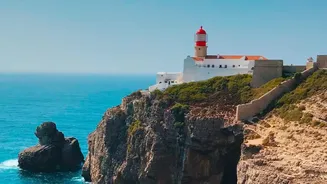
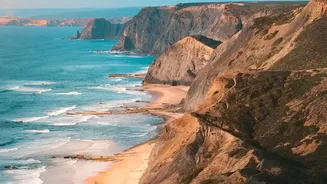
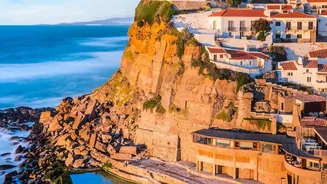
Stretching south from Sines down to the western edge of the Algarve, the Southwest Alentejo and Vicentine Coast Natural Park is one of Europe's last truly untamed coastlines. This protected status means development is minimal, preserving a landscape of sheer
cliffs, hidden coves, and villages where life moves at a slower pace. It's a region for those who want to trade resort amenities for raw nature, fresh seafood, and the simple sound of the ocean. The hiking trails of the Rota Vicentina weave along these clifftops, offering breathtaking views and access to beaches that cars can't reach.
Praia de Odeceixe: Where River Meets Ocean
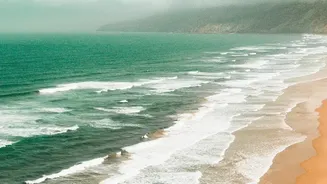
Situated on the border of the Alentejo and the Algarve, Praia de Odeceixe offers the best of both worlds. Here, the Ribeira de Seixe winds its way to the sea, creating a unique horseshoe-shaped beach with two distinct environments. On one side, you have the powerful Atlantic waves, a playground for surfers and bodyboarders. On the other, the calm, shallow river lagoon provides a safe, warm spot for families and children to paddle and swim. The nearby whitewashed village of Odeceixe, perched on a hillside, offers charming guesthouses and family-run restaurants serving fresh local fare. Despite being voted one of Portugal's most beautiful beaches, its ample space means it rarely feels crowded.
Praia da Amália: A Fado Queen's Secret
Named for the legendary fado singer Amália Rodrigues, who had a retreat nearby, this beach is a true hidden gem. To reach it, you must follow a narrow path through lush vegetation and down a rustic wooden staircase, an approach that keeps the crowds at bay. What awaits is a small, intimate cove framed by dark, jagged cliffs and even a small waterfall. It’s a wild, romantic spot that feels like a secret passed down through generations, perfect for those seeking solitude and a powerful connection with nature.
Praia da Ursa: A Hike to Paradise
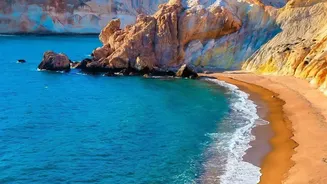
Considered one of the most beautiful beaches in the world by some guides, Praia da Ursa is not for the casual visitor. Located near Cabo da Roca, the westernmost point of mainland Europe, its access is via a steep, challenging dirt path down a cliff. The effort is rewarded with a spectacular, almost prehistoric landscape. The beach is named for its 'Bear Rock' sea stack, one of several dramatic rock formations that rise from the golden sand. With no facilities, this is a place to bring your own supplies and immerse yourself in the untouched, wild beauty. Its seclusion has also made it popular with naturists.
Foz do Arelho: The Silver Coast's Dual Gem
Further north on the Silver Coast, Foz do Arelho presents another unique dual-beach experience. Here, the Óbidos Lagoon, a vast saltwater lake, flows into the Atlantic. This creates a beach with two faces: one side has the calm, mirror-like waters of the lagoon, ideal for paddleboarding, kayaking, and families with children. The other side faces the open ocean, with the rolling waves and golden sands typical of the region. A favourite among Portuguese locals, it blends wild Atlantic energy with lagoon-side tranquility, and offers a host of waterfront cafes and restaurants.