








Why Humidity is a Health Concern
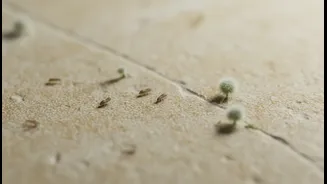
High humidity creates the perfect breeding ground for two common household allergens: mould and dust mites. Moulds are fungi that release tiny spores which, when inhaled, can trigger allergic reactions like sneezing, coughing, itchy eyes, and skin rashes.
For those with asthma, mould can worsen symptoms and even trigger attacks. Dust mites are microscopic creatures that thrive in warm, humid environments, feeding on dead skin cells found in bedding, furniture, and carpets. Their waste products are a major trigger for allergies and asthma. Essentially, by controlling humidity, you're not just making your home feel more comfortable; you are actively managing the environment to reduce these health risks.
Finding the Ideal Humidity 'Sweet Spot'
The key is to maintain a balance. Most experts, including the US Environmental Protection Agency, recommend keeping indoor relative humidity between 30% and 50%. Below 30%, the air can become too dry, leading to dry skin, irritated sinuses, and chapped lips. Above 50-60%, you create a welcoming environment for mould and dust mites. During India's humid monsoon season, aiming for the lower end of this range is especially beneficial. A simple device called a hygrometer can measure your home’s humidity levels, taking the guesswork out of the equation.
Spotting the Signs of High Humidity
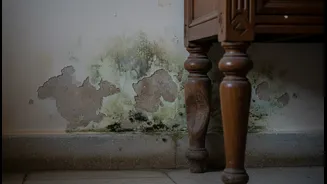
Your body often feels it first—the air becomes heavy and clammy. But there are other clear visual clues that your home's moisture levels are too high. Look for condensation, fog, or water droplets on the inside of windows and mirrors. Musty odours, especially in closets, bathrooms, or basements, are a strong indicator that mould may be present. Other signs include peeling or bubbling paint, damp spots on walls or ceilings, and wood that feels damp or is starting to rot. If you spot these signs, it’s time to take action before the problem gets worse.
Everyday Habits for Lower Humidity
Controlling humidity doesn't always require expensive equipment. Simple, consistent habits can make a huge difference. Good ventilation is your best friend. Open windows and doors for at least 15 minutes a day to allow for cross-ventilation, ideally during cooler, drier parts of the day like the morning. Use exhaust fans in your kitchen while cooking and in the bathroom during and after showers to pull moisture outside. Avoid drying clothes indoors if possible; if you must, do it in a well-ventilated area, perhaps with a fan running. Even small actions like wiping down condensation can help keep ambient moisture in check.
Natural and Low-Cost Solutions
For enclosed spaces like wardrobes and cabinets that are prone to dampness, natural moisture absorbers can be very effective. Bowls of baking soda or activated charcoal can be placed in corners to passively absorb moisture from the air. Rock salt is another powerful natural desiccant that can be used in a similar way. While these DIY solutions are excellent for small areas, they are not a replacement for proper ventilation in main living spaces. Letting in sunlight whenever possible also helps, as its UV rays can kill mould spores and naturally lower humidity levels.
When to Use Dehumidifiers and Air Conditioners
In very humid climates or for persistent moisture problems, you may need more powerful tools. An air conditioner's primary function is to cool, but it also effectively removes moisture from the air as part of its cycle. Running your AC, even in a 'dry' or fan mode, can provide significant relief. For more targeted control, a portable or whole-home dehumidifier is designed specifically to pull excess water from the air. While this is an investment, it can be invaluable in protecting your health and preventing long-term structural damage to your home from dampness.