



Matcha: The Reigning Green King
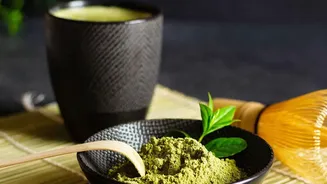
Not long ago, matcha was a niche ingredient found only in specialty stores or high-end cafes. Today, it has firmly cemented its place in the urban Indian lifestyle. Google search data reveals a massive 1300% surge in queries for 'how to make matcha' over
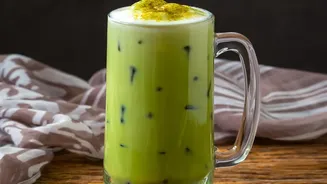
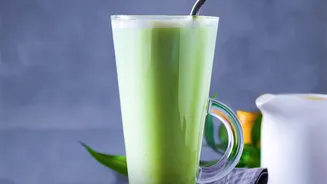
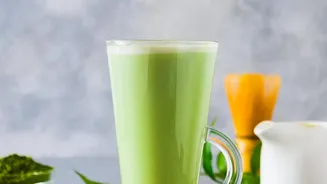
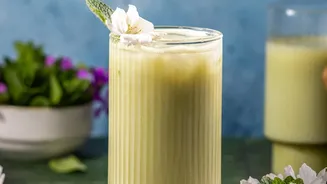
the past year, showing its transition from a cafe-ordered treat to a home ritual. Driven by health-conscious millennials and Gen Z, its popularity is fuelled by its perceived wellness benefits, clean energy boost, and undeniable visual appeal. Consumers are not just drinking it plain; searches for variations like 'mango matcha' and 'strawberry matcha' have soared, indicating a desire to experiment. This green powder, made from finely ground, shade-grown tea leaves, is now a familiar sight in lattes, desserts, and even beauty products.
The Challenger: What Is Ube?
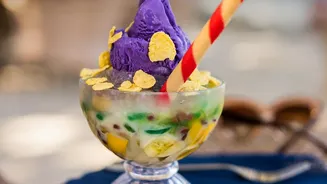
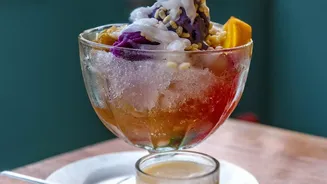
Emerging as a vibrant competitor is ube, a purple yam native to the Philippines. Pronounced 'oo-beh', its stunning violet colour is entirely natural, making it an instant hit on social media. Unlike matcha's earthy, sometimes bitter notes, ube has a gentle, creamy flavour often compared to vanilla, white chocolate, or pistachio. This accessible sweetness makes it incredibly versatile for desserts, ice creams, and, most notably, lattes. According to Google Trends, searches for ube in India hit an all-time high in August 2026, with Telangana leading the curiosity. It is naturally caffeine-free, offering a soothing, colourful alternative for those looking to avoid stimulants.
The Other Contender: Introducing Hojicha
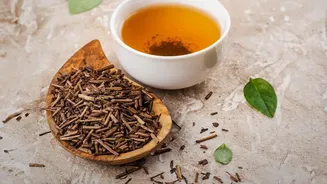
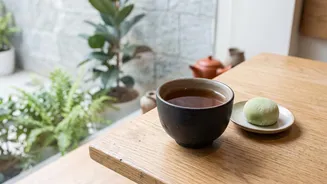
The second challenger, hojicha, also comes from Japan but offers a completely different experience. While it starts as green tea, just like matcha, hojicha is made from roasting the tea leaves, stems, and twigs at a high temperature. This process transforms its colour to a warm, reddish-brown and its flavour into something toasty, nutty, and caramel-like, with very little of the grassy bitterness associated with matcha. This roasting process also significantly lowers its caffeine content, making it a gentle, calming option that can be enjoyed in the evening. Search interest for hojicha also peaked in India in 2026, with Delhi showing the most interest and queries like 'hojicha vs matcha' becoming breakout searches.
Flavour, Colour, and Caffeine: A Head-to-Head Comparison
So how do these three contenders stack up? Matcha is known for its vibrant green colour and a complex, umami-rich flavour that can be an acquired taste. It has a significant caffeine content, often comparable to coffee, which provides a sustained energy boost.Ube, on the other hand, is a feast for the eyes with its deep purple colour. Its flavour is much milder and sweeter, with creamy, nutty, vanilla-like notes. Crucially, it is completely caffeine-free.Hojicha sits somewhere in the middle. Its colour is a comforting brown, and its taste is roasted, earthy, and smooth, often compared to coffee or caramel. Its main advantage is its very low caffeine content, offering the ritual of a warm drink without the jitters.
Why Now? An Evolving Indian Palate
The simultaneous rise of ube and hojicha points to a broader trend in India: an increasingly adventurous and globally-aware consumer. While matcha walked so these new ingredients could run, their popularity is driven by more than just novelty. The visual appeal is a huge factor in the age of Instagram, where a purple or brown latte stands out in a sea of green and beige. Furthermore, there's a growing movement towards functional foods and beverages that offer specific benefits, whether it's the calming, low-caffeine properties of hojicha or the antioxidant-rich, caffeine-free nature of ube. This reflects a consumer base that is not just following trends, but is actively seeking variety and making conscious choices about what they consume.