
Teff: The Tiny Super Grain
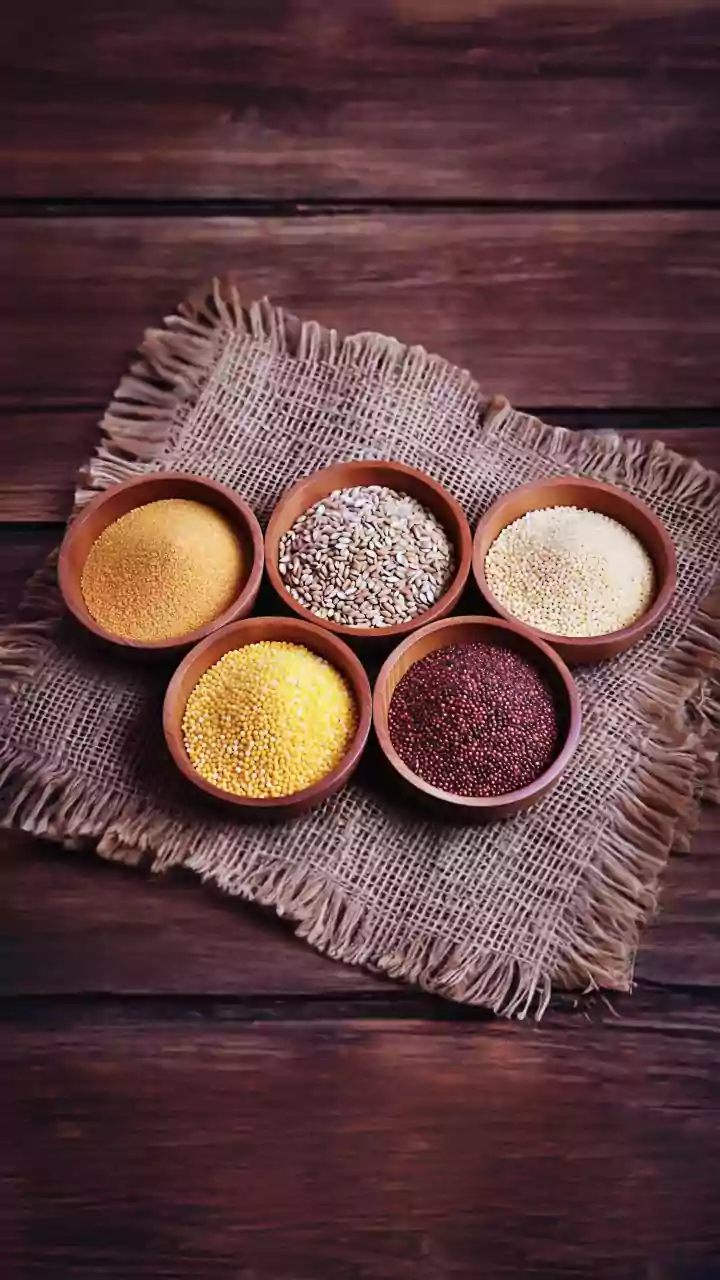
As the world's smallest grain, about the size of a poppy seed, teff is the undisputed star of Ethiopian food. It's most famously used to make injera, the spongy, fermented flatbread that serves as both plate and utensil in traditional meals. But its culinary
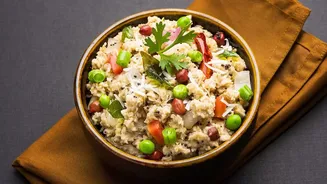
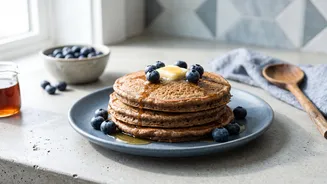
reach extends far beyond that. Teff flour, which is naturally gluten-free, has a mild, slightly nutty flavour that works beautifully in baking. It can be substituted for a portion of regular flour in cookies and pancakes to add a subtle richness. The whole grain can also be cooked into a creamy porridge, similar to polenta, or steamed and tossed into salads for an interesting textural contrast. Nutritionally, teff is a powerhouse, packed with protein, iron, and a remarkable amount of calcium.
Sorghum: The Hardy All-Rounder
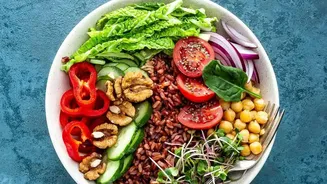
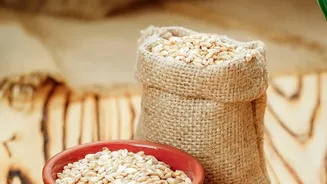
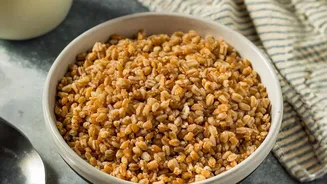
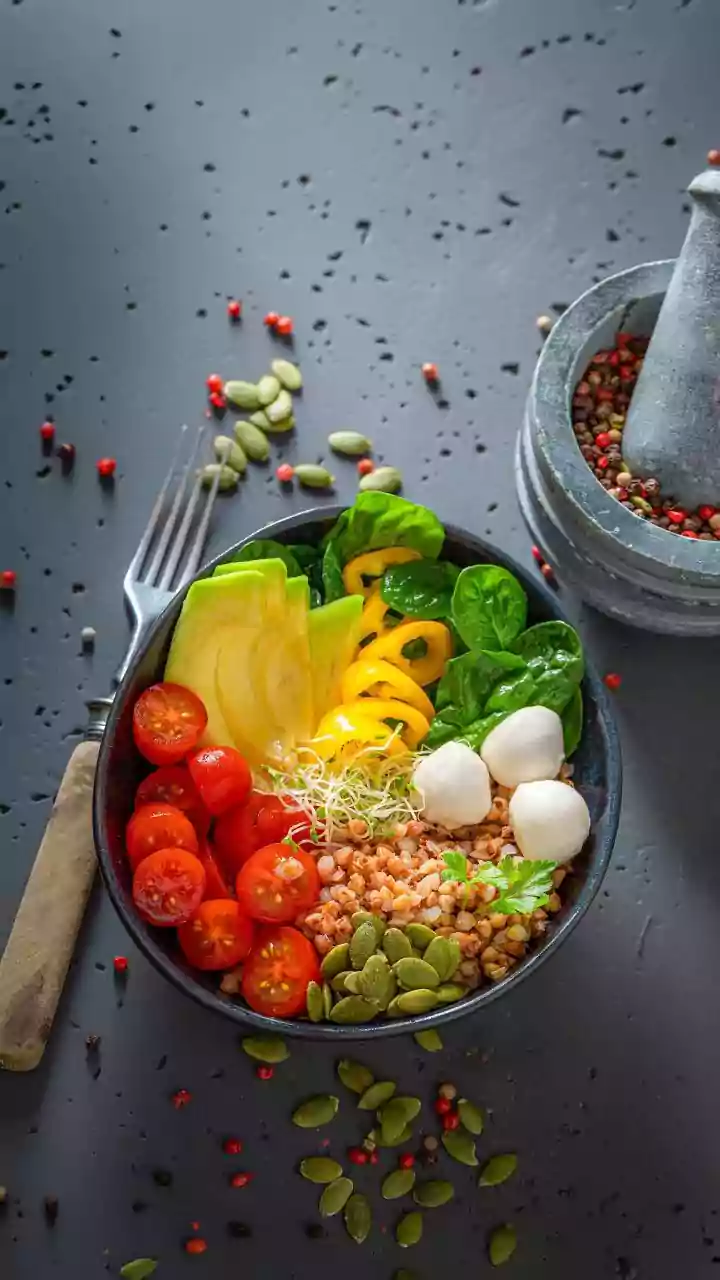
Sorghum, known as 'mashela' or 'zengada' in Ethiopia, is one of the most important cereal crops in the country after teff and maize. This hardy grain thrives in dry climates and has been a dietary staple for thousands of years. While it's also used to make some regional versions of injera, its versatility shines in other forms. The whole grain has a chewy texture and a nutty taste, making it an excellent gluten-free substitute for rice or quinoa in grain bowls and salads. When ground into flour, it can be used for pancakes, porridge, and a variety of flatbreads. Sorghum porridge is a common breakfast in many parts of Africa, providing sustained energy. Some varieties can even be popped like popcorn for a healthy snack.
Finger Millet: The Resilient Cousin
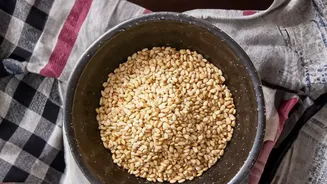
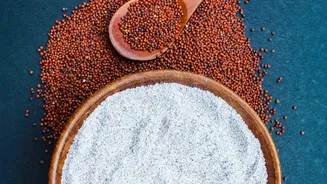
Finger millet, called 'dagusa' in Ethiopia, is a close relative of teff and another nutritional champion. Known as ragi in India, this grain will be familiar to many, but its Ethiopian applications are worth exploring. It is incredibly resilient, able to grow in poor soil with little water, making it a crucial crop for food security. Like teff, finger millet is rich in calcium and iron. In Ethiopia, its flour is often blended with teff flour to make injera, adding a deeper colour and flavour. It also makes a wonderfully creamy porridge and is a key ingredient in 'tella', a traditional Ethiopian home-brewed beer. You can easily incorporate finger millet flour into your baking, from flatbreads to pancakes, for an earthy, wholesome boost.
Fonio: The Quick-Cooking Wonder
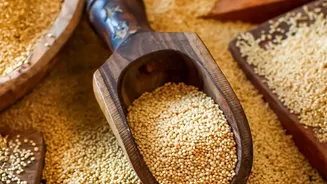
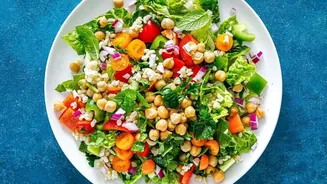
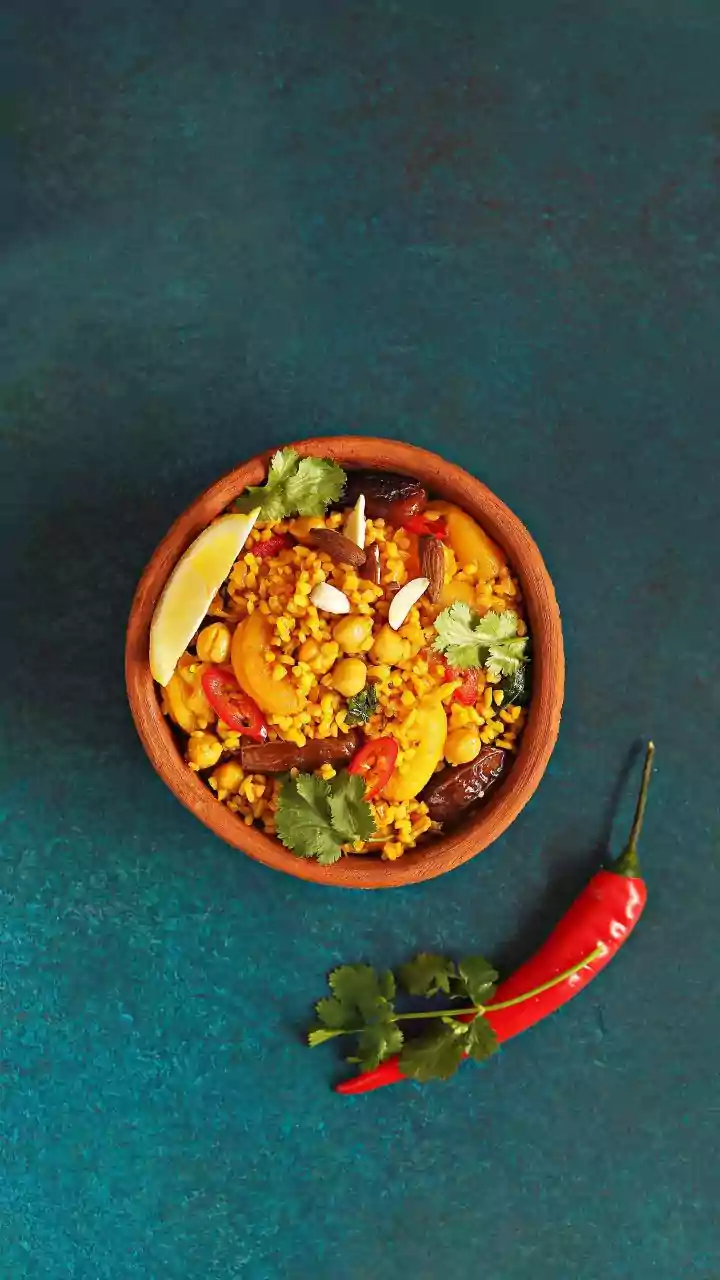
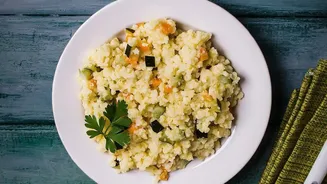
Though more commonly associated with West Africa, fonio is another ancient grain in the millet family that shares characteristics with its Ethiopian cousins. Its most remarkable feature is its cooking speed; fonio can be ready in as little as three to five minutes. This makes it a fantastic alternative to couscous or quinoa for quick meals. When cooked, the tiny grains become fluffy with a mild, nutty taste that absorbs flavours well, making it a perfect base for salads and grain bowls. You can also cook it with more liquid to create a smooth, comforting breakfast porridge. Naturally gluten-free, fonio is celebrated for its resilience and ability to grow in difficult conditions, earning it the nickname "miracle grain."