


The World's Most Vital Waterway
At its narrowest point, the Strait of Hormuz is just 21 miles wide, a slender channel separating Iran from Oman. Yet, through its designated two-mile-wide shipping lanes flows a staggering volume of global commerce. Before 2026, an average of 20.9 million
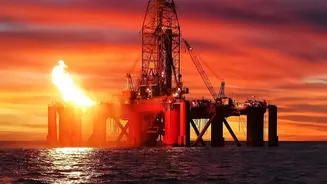
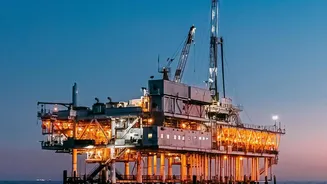
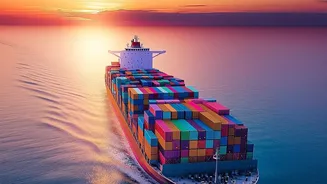
barrels of oil per day passed through this chokepoint, representing about 20% of the world's total petroleum consumption and a quarter of all seaborne oil trade. This wasn't just a busy shipping lane; it was arguably the single most important stretch of water for the stability of the global industrial economy. Dozens of massive tankers, including Very Large Crude Carriers (VLCCs), navigated its waters daily, forming an almost constant procession.
A River of Oil for Asia
The primary destinations for this river of oil were the booming economies of Asia. Countries like China, Japan, South Korea, and crucially, India, were heavily dependent on the strait’s uninterrupted traffic. For India, the world’s third-largest oil consumer and importer, the stakes were particularly high. Around 40-50% of India's total crude oil imports navigated the strait, originating from key suppliers in the Gulf like Iraq, Saudi Arabia, and the UAE. This dependency made India's economy exceptionally vulnerable to any disruption. A closure or even a slowdown in the strait could trigger immediate price volatility, create inflationary pressure on fuel and food, and severely impact India's delicate fiscal balance.
More Than Just Crude Oil
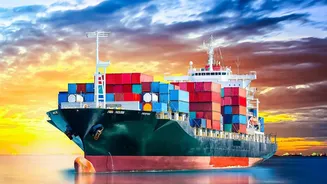
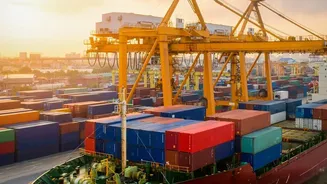
While oil dominated the headlines, the strait was equally critical for liquefied natural gas (LNG). Around 20% of the world's entire LNG supply, primarily from Qatar, the world's second-largest exporter, passed through this single point. For many nations, Qatari LNG was a key component of their energy diversification strategy, and there were no viable alternative routes for these massive shipments. The strait also facilitated about 90% of India's Liquefied Petroleum Gas (LPG) imports, the primary cooking fuel for millions of households. Beyond energy, it was a major conduit for general cargo, from containers and bulk carriers to petrochemicals, connecting Gulf nations with the rest of the world.
A History of Tension and Risk
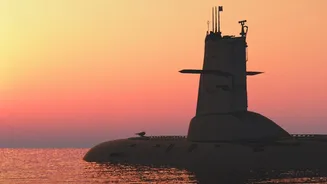
The strategic importance of the Strait of Hormuz has long made it a flashpoint for regional and international tensions. The waterway was a central theatre during the Iran-Iraq War in the 1980s, in a phase known as the 'Tanker War', where hundreds of merchant vessels were attacked by both sides. In the years leading up to 2026, the area remained heavily militarized. The constant presence of international naval forces, including the US Navy's Fifth Fleet, alongside Iran's Revolutionary Guard Corps, created a persistent risk of miscalculation. Incidents, including mine attacks on tankers and the seizure of vessels, served as periodic reminders of the strait's inherent fragility. These events always caused spikes in shipping insurance and global anxiety, a foreshadowing of the profound disruption a full-blown conflict could cause.