





The Foundation: Protein Is King
Building muscle starts with protein. When you exercise, you create tiny tears in your muscle fibres; protein provides the amino acids needed to repair them and build them back stronger. The goal for active individuals is to consume adequate protein throughout
the day. The good news is that Indian cuisine is rich with excellent protein sources, for both vegetarians and non-vegetarians. The key is often just increasing the portion of these protein-rich foods in your meals.
Vegetarian Protein Powerhouses
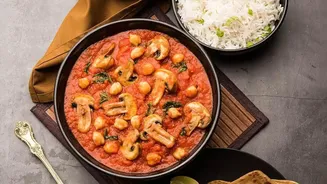
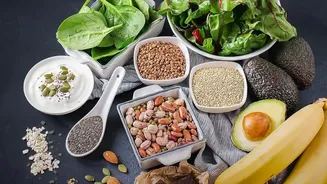
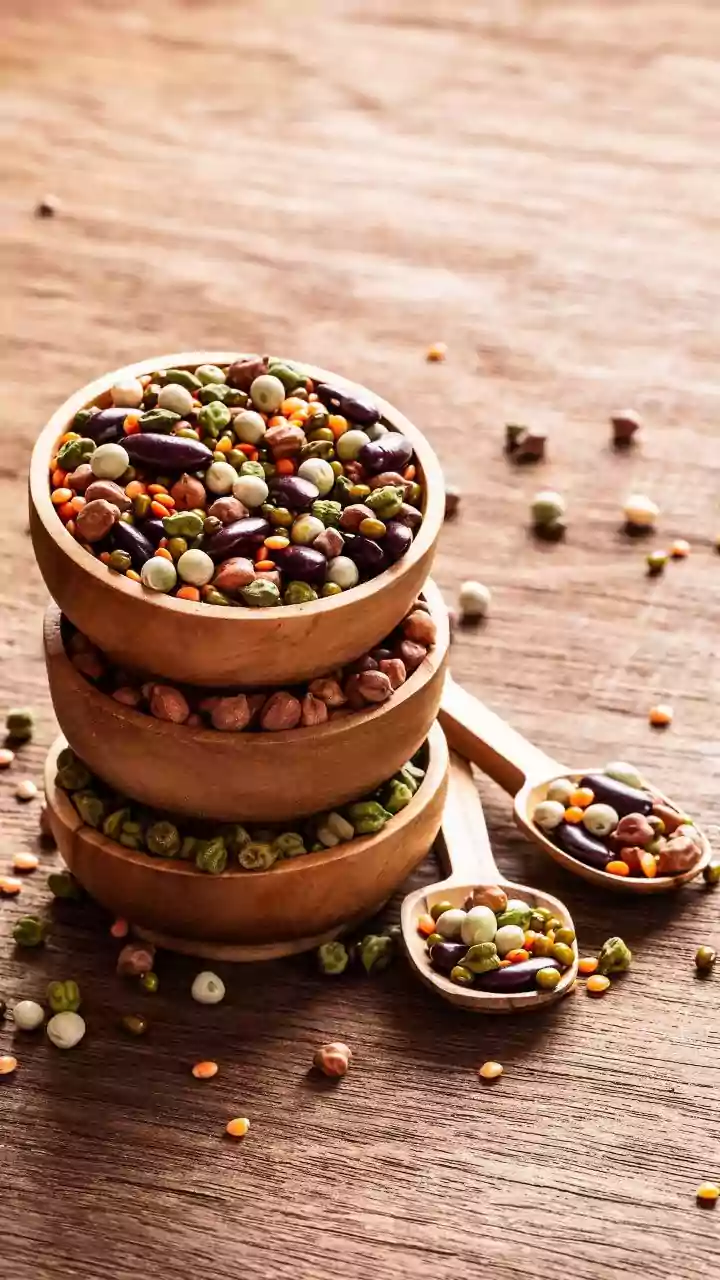
For vegetarians, the options are plentiful and delicious. Paneer is a slow-digesting casein protein, making it excellent for muscle repair. Dals (lentils) of all kinds, including moong, masoor, and toor, are staples that provide a significant protein punch, especially when combined with a grain like rice or roti to form a complete protein. Chickpeas (chana), kidney beans (rajma), and soya chunks are also fantastic, protein-dense options that can be easily incorporated into curries and salads. Don't forget dairy like curd (yoghurt) and milk, which add a valuable protein boost to any meal.
Non-Vegetarian Staples
For those who eat meat, the choices are straightforward and effective. Chicken breast remains one of the leanest and most protein-dense foods available. Eggs are a cost-effective and complete protein source, perfect for any meal of the day. Fish like rohu or pomfret are also great choices, offering the added benefit of healthy omega-3 fatty acids. By making these a centrepiece of your lunch or dinner, you can easily meet your daily protein requirements.
Don't Fear Carbs and Fats
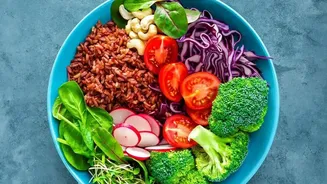
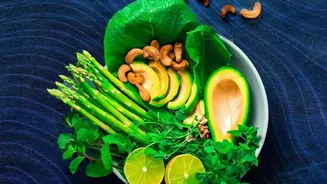
In the quest for muscle, carbohydrates are your best friend, not the enemy. They are the body’s primary energy source, fuelling your workouts and replenishing glycogen stores in your muscles afterwards. Without enough carbs, your body may start breaking down muscle for energy. Focus on complex carbohydrates like whole wheat roti, brown rice, oats, and sweet potatoes for sustained energy release. Similarly, healthy fats are crucial for hormone production, including hormones vital for muscle growth. Incorporate sources like nuts, seeds, avocado, and moderate amounts of ghee into your diet.
Putting It All Together: A Sample Day
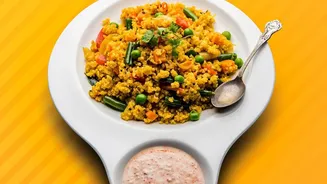
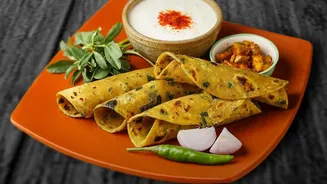
So, what does a balanced day look like? It's simpler than you might think. Breakfast: Could be something like paneer bhurji with a whole-wheat roti, or a bowl of oats cooked with milk and topped with nuts. Lunch: A balanced thali featuring a generous portion of dal or chicken curry, a sabzi (vegetable dish), brown rice, and a bowl of curd. Snack: A handful of roasted chana, a bowl of sprouts, or Greek yoghurt can be great mid-meal options to keep protein intake steady. Dinner: A lighter meal such as grilled fish or palak paneer with one or two rotis, ensuring your muscles have nutrients to repair overnight.