





Why Your Gut Needs a Gentle Restart
During a fast, your digestive system essentially goes into a state of rest. The production of digestive enzymes, which are necessary to break down food, slows down considerably. Your metabolism might also dip slightly. When you suddenly introduce large
quantities of rich, oily, or complex foods, your unprepared gut struggles to cope. This sudden shock is what leads to common post-fasting complaints like bloating, acidity, gas, and stomach cramps. Think of it like trying to sprint without warming up; your digestive muscles need a gentle stretch before they can handle a heavy workout. Easing back into your regular diet allows your body to gradually ramp up enzyme production and get the entire system running smoothly again.
The Undeniable Role of Hydration
Hydration is the single most important step in breaking your fast. After days of potentially altered fluid intake, your body is likely dehydrated. Water does more than just quench your thirst; it kick-starts your metabolism and prepares the lining of your stomach for food. Proper hydration helps in the absorption of nutrients and is essential for flushing out toxins that may have accumulated during the fast. It also softens stool, which is crucial for preventing constipation, a frequent issue when reintroducing solid foods. Start by sipping plain water slowly. Other excellent hydrating options include coconut water, which replenishes electrolytes, or a glass of buttermilk (chaas) or lemon water, which can aid digestion without being heavy on the stomach.
Your First Post-Fasting Meals
The first meal you eat after breaking your fast should be light, simple, and easy to digest. The goal is to provide your body with instant energy without overburdening the digestive tract. A great way to start is with fruits that are rich in natural sugars and water, like papaya, banana, or melon. A bowl of plain yoghurt is another excellent choice, as it is soothing and contains probiotics that help restore healthy gut bacteria. For a more substantial but still gentle meal, consider a small bowl of moong dal khichdi, vegetable soup, or dalia (porridge). These foods are cooked until soft, making them very easy for your system to process while providing essential nutrients.
Foods to Avoid for a Day or Two
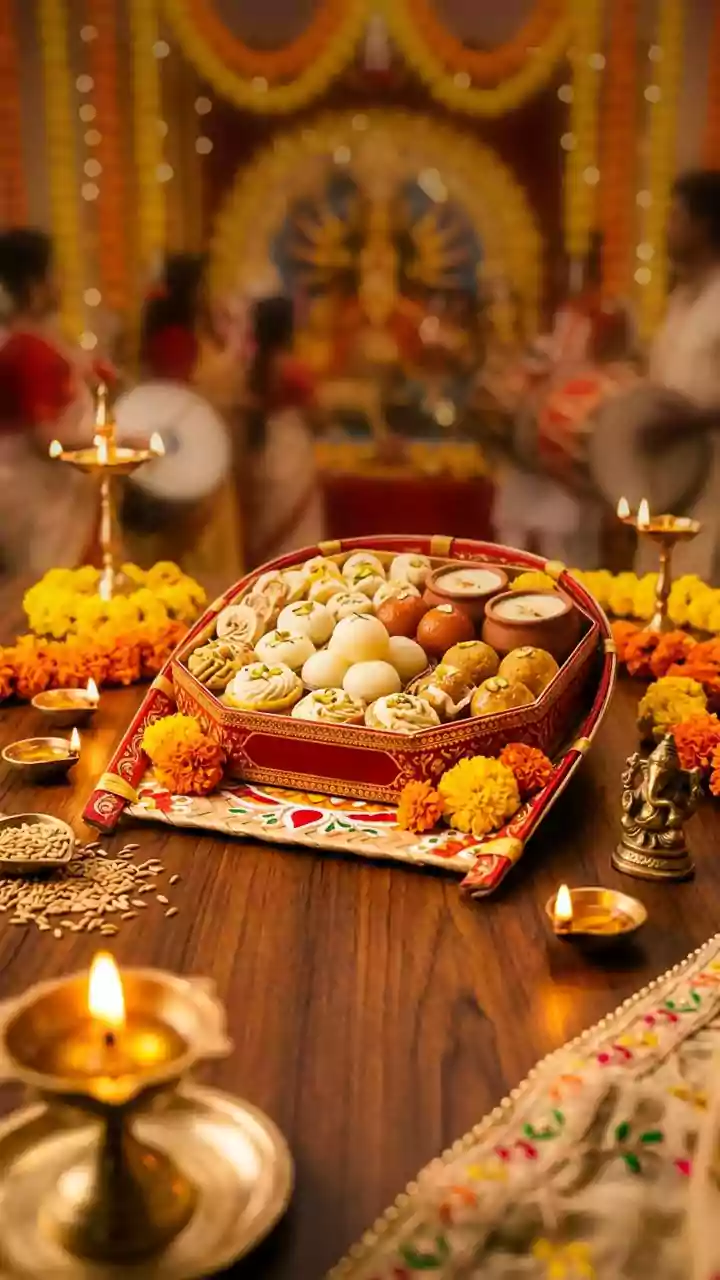
Just as important as knowing what to eat is knowing what to avoid. For the first 24 to 48 hours after your fast, it's wise to steer clear of certain foods that can wreak havoc on your resting gut. This includes anything deep-fried, excessively oily, or laden with heavy spices. Rich gravies, creamy sweets, and maida-based items like puris and pastries are difficult to digest and can trigger immediate discomfort. Also, be cautious with caffeine and overly sugary drinks. Your body is in a sensitive state, and these stimulants and sugars can cause energy crashes and digestive upset. The festive treats can wait a day or two; prioritising your digestive comfort will make the post-celebration period much more enjoyable.
Listen to Your Body and Eat Mindfully
The final piece of advice is to be mindful. Your body is excellent at sending signals; you just have to listen. Eat slowly and chew your food thoroughly, as this pre-digests the food and reduces the workload on your stomach. Instead of jumping back to three large meals, try having smaller, more frequent portions throughout the day. This keeps your energy levels stable and prevents your digestive system from being overwhelmed. Pay attention to how you feel after eating. If you feel bloated or heavy, opt for an even lighter meal next time. This period of transition is a good opportunity to reconnect with your body's natural hunger and fullness cues.