








What is a 'Very Strong' El Niño?
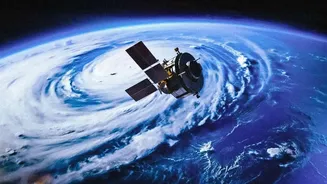
El Niño is a natural climate pattern marked by the unusual warming of surface waters in the eastern tropical Pacific Ocean. Think of it as a massive heat release from the ocean into the atmosphere, which disrupts weather systems globally. While El Niño events
occur every two to seven years, their intensity varies. A 'very strong' or 'super' El Niño happens when sea surface temperatures climb more than 2 degrees Celsius above average. This extreme variation has only occurred a handful of times in modern history, including the events of 1982-83, 1997-98, and 2015-16, each causing significant global disruption. These events are linked to severe weather extremes, from intense droughts and wildfires to devastating floods elsewhere.
The Critical Monsoon Connection
For India, the primary concern is El Niño's well-documented impact on the southwest monsoon. The health of the monsoon is the lifeblood of the nation's agriculture, with nearly half of all farmland dependent on rainfall. A strong El Niño often correlates with a weaker monsoon, leading to reduced, delayed, or uneven rainfall across the country. The warming Pacific alters atmospheric circulation, which can suppress the formation of rain clouds over the Indian subcontinent. While not every El Niño year results in a drought—other factors like the Indian Ocean Dipole can sometimes counteract its effects—a 'very strong' event significantly raises the risk of deficient rainfall and drought-like conditions. Historically, many of India's most severe droughts have coincided with El Niño years.
Ripple Effects on Agriculture and Water
The most immediate and severe impact of a weakened monsoon is felt in the agricultural sector, which supports a vast portion of India's population. Deficient rains can lead to delayed sowing of crucial kharif crops like rice, pulses, and cotton, ultimately reducing yields. This directly affects farmers' incomes and can trigger widespread rural distress. Beyond the fields, a poor monsoon has a cascading effect on water resources. Lower rainfall means reservoirs and dams do not recharge sufficiently. This threatens drinking water supplies in cities and towns and reduces the availability of water for irrigation and hydroelectric power generation, creating a multi-faceted crisis.
The Economic Fallout: Inflation and Growth
The agricultural sector constitutes a significant part of India's GDP, and a downturn has broad economic consequences. Reduced crop production quickly translates into higher food prices, driving up food inflation, which impacts household budgets across the country. This can create a challenging environment for the Reserve Bank of India as it works to maintain price stability. Furthermore, lower rural incomes weaken demand for a wide range of goods, from tractors to everyday consumer products, potentially slowing overall economic growth. The energy sector also feels the strain, as lower hydropower output increases reliance on other power sources at a time when hotter-than-usual temperatures are already driving up electricity demand for cooling.
Preparing for a Challenging Season
With this forecast in hand, preparedness becomes key. Indian authorities are already formulating contingency plans, focusing on at-risk districts and preparing crop-specific advisories for farmers. These plans often involve promoting drought-resistant crop varieties, encouraging water conservation techniques, and ensuring the availability of seeds for alternative, less water-intensive crops. For individuals, staying informed about local weather advisories and water usage guidelines will be crucial. Managing water resources efficiently at both household and community levels can help mitigate the impact of potential shortages. While the forecast is a cause for concern, it also provides an opportunity to build resilience and prepare for the climate challenges ahead.