

What Is the Gaganyaan Mission?
Gaganyaan, which means 'celestial vehicle' in Sanskrit, is the Indian Space Research Organisation's (ISRO) ambitious program to send humans into space. The primary goal is to launch a crew of three astronauts into a Low Earth Orbit (LEO) at an altitude
of 400 kilometres. The crew will spend up to three days in orbit before returning safely to Earth, with a planned splashdown in the Indian Ocean. Upon successful completion, India will join an exclusive club of nations—after the USA, Russia, and China—capable of conducting independent human spaceflight. The program aims not only to demonstrate this capability but also to foster a sustained Indian human space exploration program, enabling advanced scientific research in areas like microgravity.
The Stepping Stones: A Phased Approach
Safety is paramount, and ISRO's mantra for Gaganyaan has been to prioritise human safety and reliability above all else. To achieve this, the mission is being executed in phases. The process began with numerous technology demonstrator missions and ground qualification tests. This includes crucial trials like the Pad Abort Test, which ensures the crew can safely escape in case of a launchpad emergency, and various parachute tests to guarantee a safe landing. Following these are a series of uncrewed orbital flights. The first uncrewed mission, Gaganyaan-1 (G1), is targeted for late 2026. These flights will use a humanoid robot named 'Vyommitra' to test and validate all systems in a space environment before any human flies. Vyommitra will simulate human functions, monitor the spacecraft's life support systems, and interact with ground control, providing invaluable data.
The Technology Powering the Dream
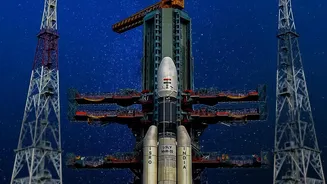
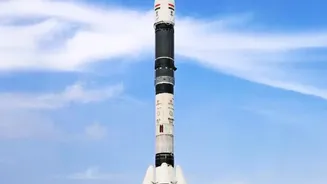
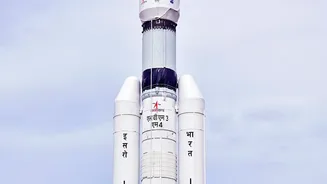
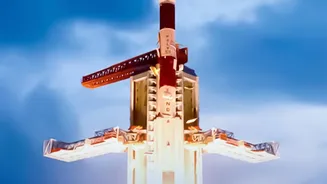
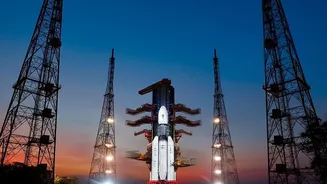
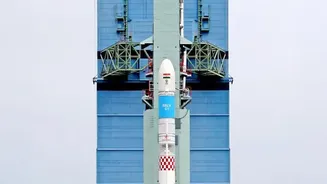
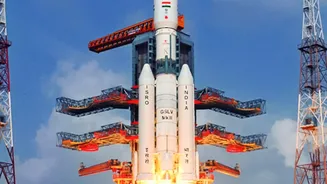
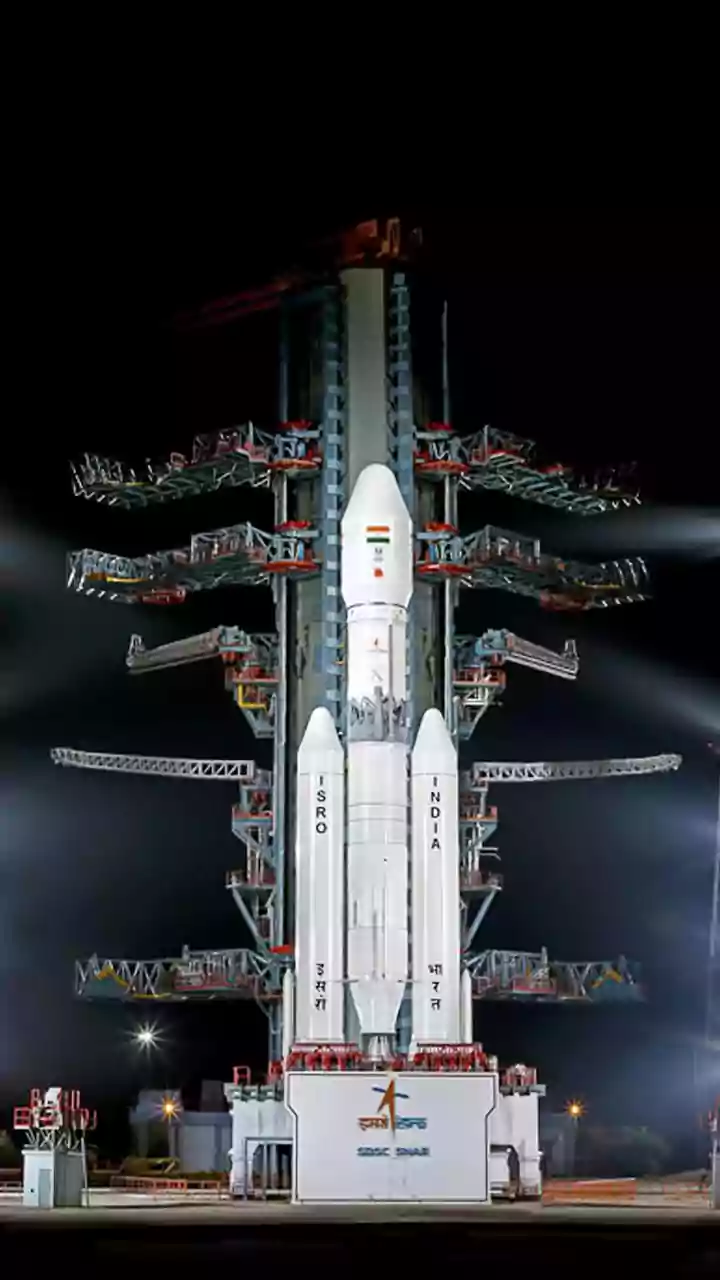
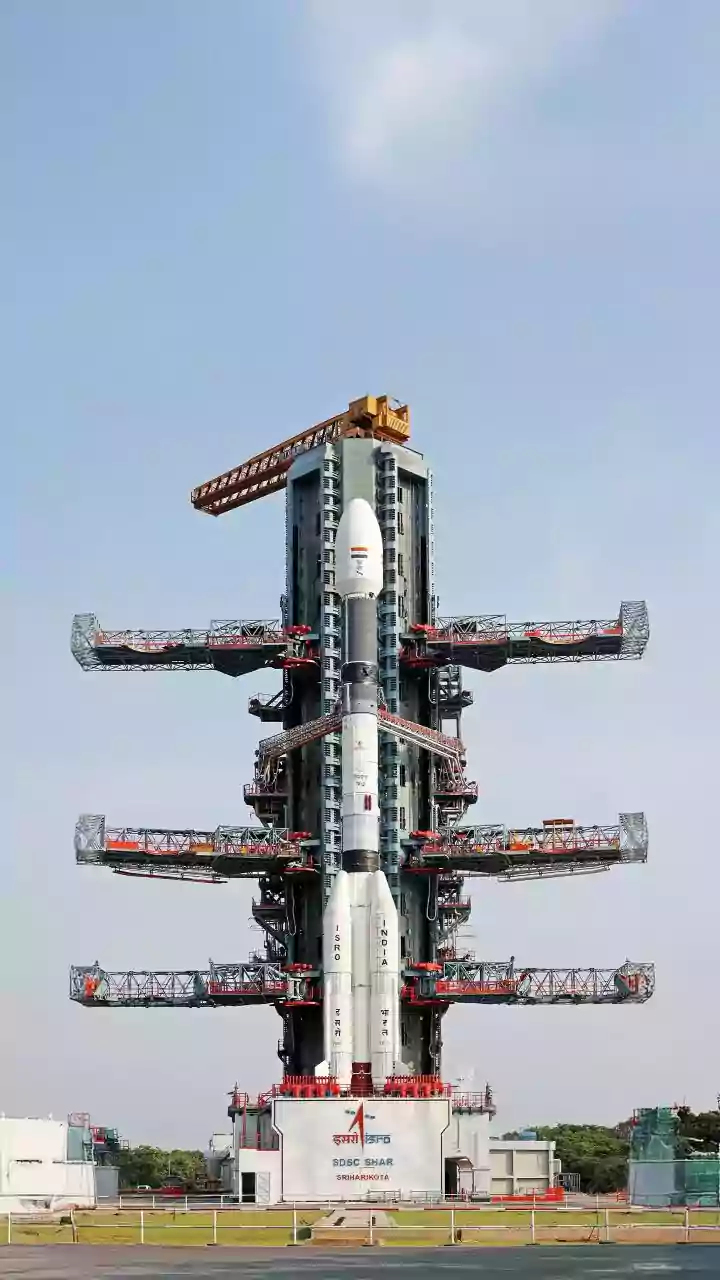
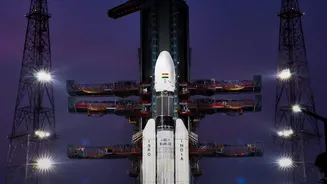
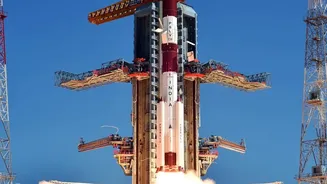
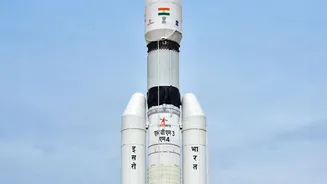
Gaganyaan is a showcase of indigenous Indian technology. The mission's workhorse is the Human Rated LVM3 rocket (HLVM3), a specially modified and more reliable version of ISRO's heaviest and most powerful launcher. The spacecraft itself, called the Orbital Module, consists of two main parts. The Crew Module is the habitable space where the astronauts will live and work. The Service Module provides the necessary propulsion, power, and other support systems. One of the most critical pieces of technology is the indigenously developed Environmental Control and Life Support System (ECLSS), which will maintain a breathable atmosphere, regulate temperature, and manage resources inside the crew module. An equally vital component is the Crew Escape System, a mechanism designed to jettison the crew module away from the rocket in case of an in-flight emergency.
Meet the 'Vyomanauts'
India has its own term for its space travellers: 'Vyomanauts', derived from the Sanskrit word 'Vyom' for space. In February 2024, the nation was introduced to the four chosen candidates, all distinguished pilots from the Indian Air Force: Group Captain Prasanth Balakrishnan Nair, Group Captain Ajit Krishnan, Group Captain Angad Pratap, and Wing Commander Shubhanshu Shukla. These highly skilled test pilots underwent a rigorous selection process and have completed extensive generic astronaut training at Russia's Gagarin Cosmonaut Training Centre. They are now undergoing mission-specific training in India, at the state-of-the-art Astronaut Training Facility in Bengaluru. This training covers everything from spacecraft systems and microgravity familiarisation to survival training, ensuring they are prepared for every aspect of their historic journey.
The Final Countdown and Beyond
With initial tests largely complete and critical systems ready, ISRO is now in the advanced stages of preparation for the uncrewed flights. Following the G1 mission in late 2026, at least two more uncrewed flights are planned to thoroughly vet every system. The first crewed flight, Gaganyaan-H1, is currently targeted for 2027 or 2028, depending on the results of the preceding tests. But Gaganyaan is just the beginning. The mission is a crucial stepping stone for India's broader space ambitions, which include establishing its own space station, the 'Bharatiya Antariksha Station', by 2035 and sending an Indian astronaut to the Moon by 2040.