





Understanding the Fuel: What is E20?
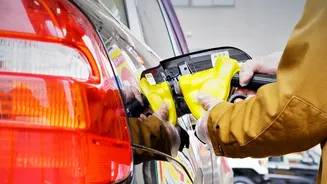
E20 is petrol blended with 20% ethanol. India has aggressively pursued its Ethanol Blending Programme (EBP) for several key reasons: to reduce the country's massive oil import bill, lower carbon emissions, and provide an additional income stream for farmers
who cultivate crops like sugarcane and maize, from which ethanol is produced. The government successfully advanced its target for a nationwide E20 rollout, making it the standard petrol available across India since 2025-26, years ahead of the original 2030 schedule. This move marked a significant shift from the previous E10 (10% ethanol) blend, positioning India as a global leader in biofuel adoption. The policy is seen as a cornerstone of the nation's energy security and climate goals.
The Source of the Confusion
The recent wave of speculation began after comments from BPCL's Chairman and Managing Director, Sanjay Khanna, following the company's annual general meeting were reportedly misquoted. This was compounded by a broader, ongoing debate about the impact of E20 fuel, especially on older vehicles. Earlier in August 2026, the government's Chief Economic Advisor, V. Anantha Nageswaran, co-authored an opinion piece suggesting that India should consider bringing back a lower-blend option, like E10, to run alongside E20. This was proposed as a way to protect the millions of vehicles manufactured before they were E20-compatible, which officially began with models sold after April 2023. These discussions created the impression that the E20 mandate might be reversed entirely.
BPCL's Definitive Clarification
In response to the growing confusion, BPCL issued a formal clarification. The company stated unequivocally that "there is no proposal to replace the existing E20 blended Petrol with E10." BPCL Chairman Sanjay Khanna clarified that the debate was never about replacing E20, but rather about whether a lower-blend option could be provided for older vehicles. The company stressed that after three years of large-scale use, experience with millions of vehicles has not shown evidence of engine damage from E20 fuel. Khanna also noted that from a logistical standpoint, oil companies would face no major challenge in switching from E20 to E10 if the government's policy were to change, but that the real challenge would lie in supplying an additional grade of fuel across India's vast distribution network.
Why the Debate Over Older Vehicles Matters
The heart of the issue lies with vehicles sold before modern E20-compliant engines became standard. Owners of these cars and two-wheelers have raised concerns about potential impacts, including reduced fuel efficiency and long-term wear on engine components not designed for higher ethanol concentrations. Ethanol is more corrosive than petrol and can affect certain rubber and metal parts in older fuel systems. While automakers and the government have stated that E20 is safe and that any mileage reduction is marginal (around 3-5%), consumer apprehension remains. The discussion about reintroducing E10 is an attempt to address these concerns without derailing the national ethanol program.
The Path Forward for India's Fuel Policy
For now, E20 remains the standard petrol across India, and BPCL's statement confirms the industry's commitment to this policy. The government and oil marketing companies are exploring the logistical feasibility of offering E10 as a parallel option—perhaps by re-designating the existing premium 95-octane petrol as an E10 blend—but no final decision has been made. This would be a complex undertaking for a network with nearly 90,000 retail outlets. Meanwhile, the government is already looking ahead, having notified standards for even higher blends like E25 and E30, signaling that the long-term vision is to increase, not decrease, the use of ethanol in India's fuel mix.