





The Timeless Tale of Queen Veeravati
The most popular story linked to Karwa Chauth is that of the beautiful Queen Veeravati. As the only sister to seven loving brothers, she was adored. During her first Karwa Chauth at her parents' home, she maintained a strict fast from sunrise. By evening,
weak with hunger and thirst, she eagerly awaited the moonrise. Her brothers, unable to watch her suffer, devised a plan. They created the illusion of a full moon by holding a mirror or a lamp behind a sieve in a distant pipal tree. Believing the moon had risen, Veeravati broke her fast. Immediately, word arrived that her husband, the king, had fallen gravely ill or died. Heartbroken, she realized she had been tricked. On her journey back to the palace, she met Goddess Parvati, who explained that the false moon had caused this tragedy. The goddess instructed Veeravati to re-do the fast with absolute devotion to save her husband, setting a precedent for the importance of completing the ritual correctly.
Sargi: A Pre-Dawn Blessing of Love
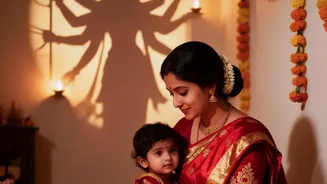
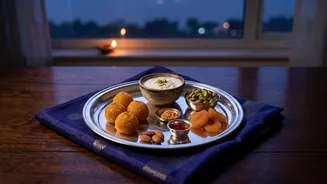
The festival day begins before sunrise with the ritual of 'Sargi'. This is a pre-dawn meal, traditionally prepared by the mother-in-law for her daughter-in-law. More than just food, Sargi is a symbol of love, care, and blessings meant to provide sustenance and energy for the difficult day-long fast ahead. It represents the bond between the two women and the passing down of tradition. This act of nourishment directly contrasts with the hardship Veeravati faced, highlighting the support system that fortifies a woman undertaking the fast. The meal often includes fruits, sweets, and nutrient-dense foods to ensure well-being throughout the day.
The Fast: A Vow of Devotion
The central custom of Karwa Chauth is the 'nirjala vrat', a strict fast observed from sunrise to moonrise without consuming any food or even a drop of water. This act of austerity mirrors the penance and unwavering devotion displayed by legendary figures like Veeravati and Savitri, who faced immense hardship for the well-being of their husbands. By undertaking the fast, women emulate this powerful display of love and spiritual strength. It is a day of patience and prayer, where women often gather to sing traditional songs, apply mehendi, and narrate the 'vrat katha' or stories associated with the fast, reinforcing their collective resolve and shared cultural heritage.
The Sieve: Filtering Truth from Deception
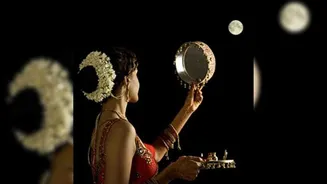
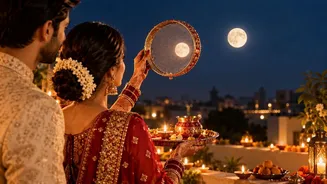
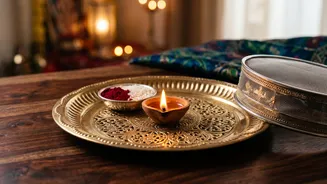
One of the most iconic images of Karwa Chauth is a woman viewing the moon, and then her husband, through a 'channi' or sieve. This ritual is directly linked to the tale of Queen Veeravati, who was deceived by a false moon. The sieve serves as a symbolic filter, a reminder to wait for the true moon and not be fooled by illusions. It represents the act of separating the essential from the non-essential, and purity from deception. Looking through the sieve is an act of caution and reverence, ensuring the fast is broken correctly. Furthermore, some believe the sieve filters the moon’s rays, bringing only its purest blessings of peace and love upon the husband.
The Moonrise: A Promise Renewed
The fast concludes only after the moon is sighted. Women offer water ('arghya') to the moon, praying for its qualities of longevity and coolness to be bestowed upon their husbands. After viewing the moon through the sieve, the wife then looks at her husband's face through the same sieve before he offers her the first sip of water and morsel of food, breaking her day-long fast. This final act completes the narrative cycle. Just as Veeravati's devotion ultimately revived her husband, this moment symbolises the renewal of marital bonds and the successful completion of a wife's prayer for her husband's long life and prosperity. The festival, which will be celebrated in India on Thursday, October 29, 2026, thus becomes a beautiful reenactment of love's triumph over adversity.