



The Land of India's First Sunrise
Dong Valley holds the unique distinction of being the first place in India to see the sun's rays each morning. Situated at an elevation of 1,240 metres near the tri-junction where India, China, and Myanmar meet, its longitudinal position grants it this
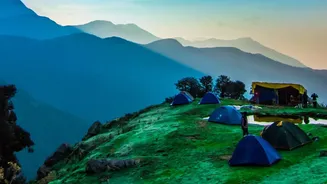
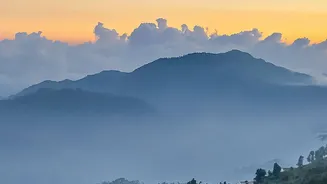
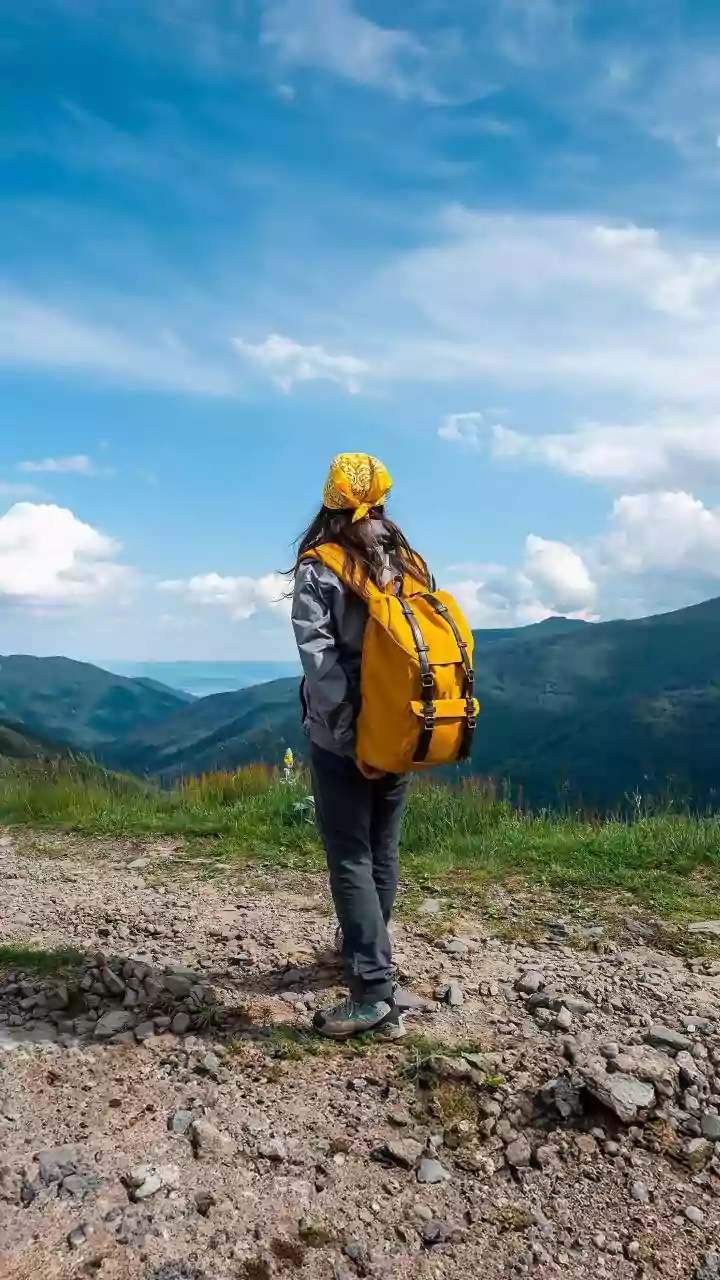
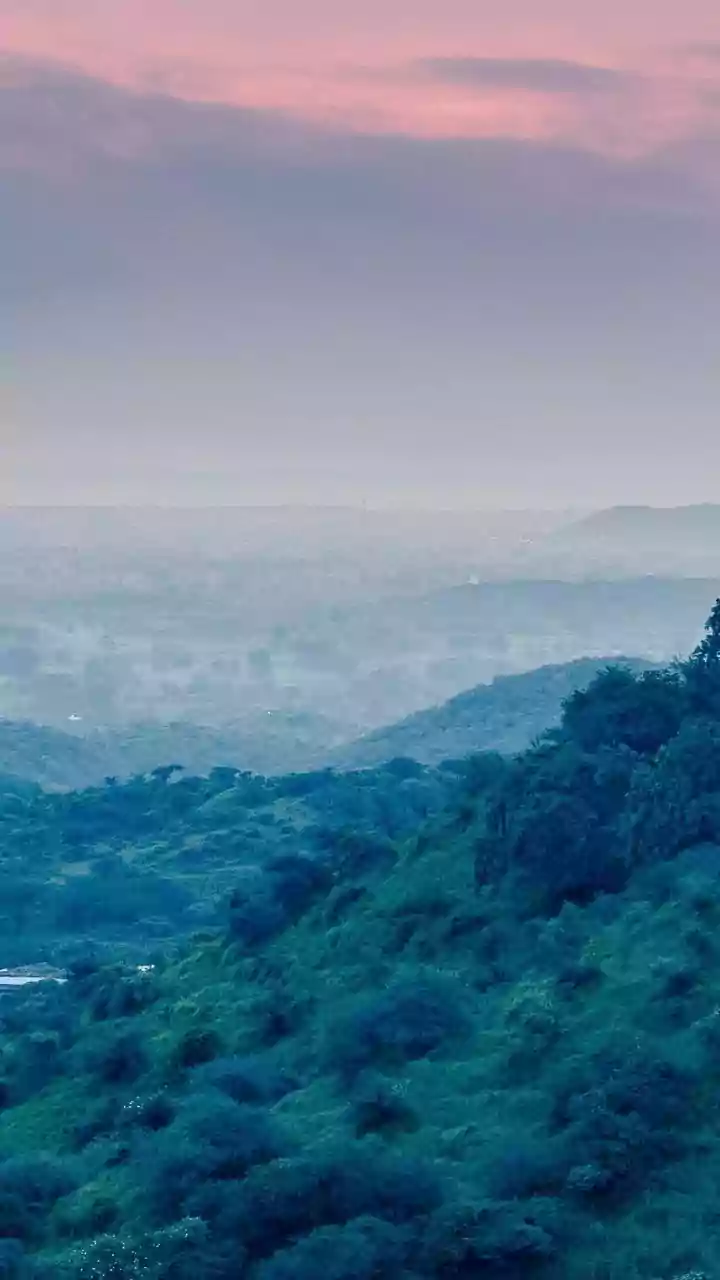
daily honour. To catch this magical moment, the journey begins in complete darkness. Travellers typically start a trek around 2 or 3 AM from the nearby town of Walong. The hike itself is an adventure, a steep but rewarding climb of about 8 kilometres through fragrant pine forests under a canopy of stars. As you reach the viewpoint, the sky begins to transform, with hues of pink and gold spilling over the mountains, slowly illuminating the valley and the winding Lohit River below. This spectacle, which became widely known after the millennium sunrise celebration on January 1, 2000, is more than just a beautiful view; it's a serene, almost spiritual start to the day.
A Landscape of Untouched Beauty
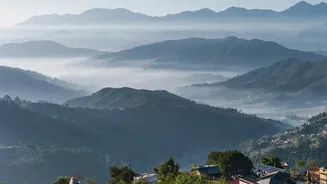
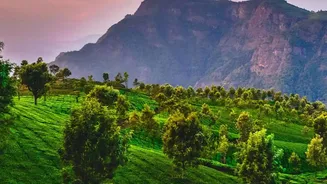
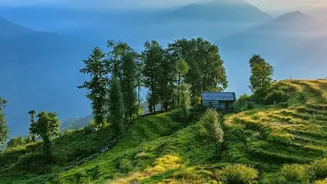
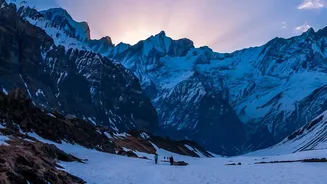
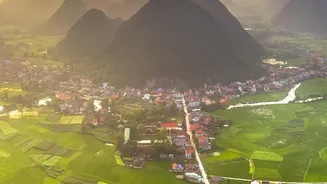
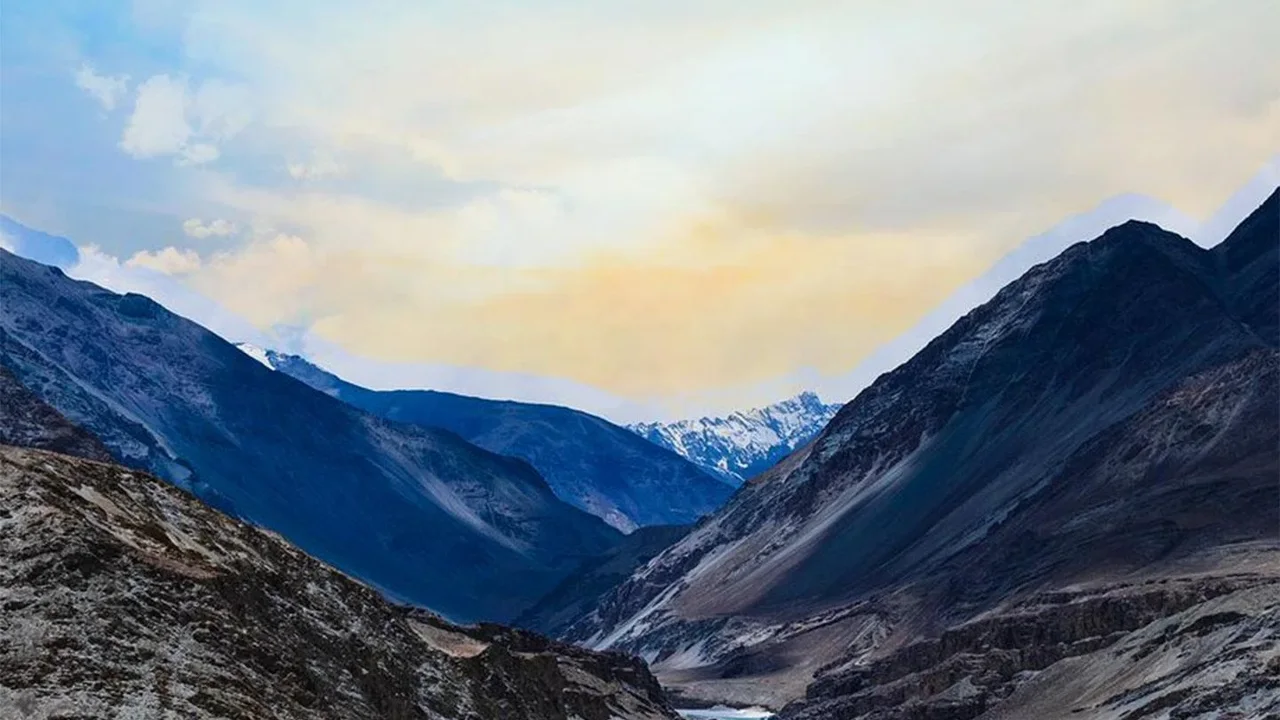
The allure of Dong Valley extends far beyond its famous sunrise. The region is a paradise for nature lovers, characterised by rugged mountains, dense forests, and pristine rivers. The valley is cradled at the confluence of the Lohit and Sati rivers, whose clear waters cut through the dramatic gorge. The landscape is a vibrant tapestry of lush greenery, with snow-capped peaks visible in the distance, creating picture-perfect vistas at every turn. The trek to the sunrise point takes you through sprawling meadows and clusters of pine, offering a refreshing immersion in nature. For adventure seekers, the area provides numerous trails for hiking and exploration. A walk across the swaying suspension bridge over the Lohit River is a thrilling experience in itself, connecting travellers to the small, secluded villages and offering breathtaking views of the valley.
The Enduring Culture of the Meyor People
Dong Valley and the surrounding areas in the Anjaw district are home to the Meyor tribe, one of Arunachal Pradesh's smallest indigenous communities. Their culture is deeply intertwined with the natural world, and they are the traditional guardians of this land. The Meyor people are known for their warmth, hospitality, and peaceful way of life, living in harmony with other tribes like the Mishmi. Their villages, comprised of traditional homes built with wood and natural materials, showcase a sustainable lifestyle that has been preserved for generations. Visitors have the opportunity to experience this unique culture firsthand, from tasting authentic cuisine made with organic ingredients to learning about their animist and Buddhist-influenced spiritual beliefs. Festivals like Lhachutt and Sungkhu mark important moments in their agricultural calendar, celebrating harvests and the seasons. Engaging with the Meyor community offers a journey into a world where tradition and simplicity are cherished.
Planning Your Trip to Dong Valley
A trip to this remote corner of India requires careful planning. The nearest airport is in Dibrugarh, Assam, from which it is a two-day drive to Walong, the main town near Dong Valley. The closest railway station is in Tinsukia, also in Assam. From there, you can hire a taxi for the scenic but challenging road journey to Walong, which serves as the base for accommodation, with several homestays available. The best time to visit is from October to April, when the weather is pleasant and the skies are generally clear, offering the best chances for a spectacular sunrise. All domestic tourists require an Inner Line Permit (ILP) to enter Arunachal Pradesh, which can be applied for online or through government offices. It is highly advisable to pack warm clothing, sturdy trekking shoes, and a torch for the early morning hike.