




Gullfoss: The Golden Giant
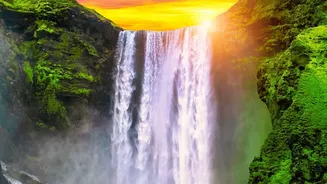
A star of the famous Golden Circle route, Gullfoss, or the 'Golden Falls,' is a breathtaking spectacle. This powerful waterfall on the Hvítá river features a unique two-tiered drop, plunging a total of 32 meters into a rugged canyon. On sunny days, the sediment-rich
glacial water catches the light, giving the falls a golden hue and often creating vibrant rainbows in the mist. Visitors can follow paths to multiple viewpoints, getting incredibly close to the action and feeling the spray from the cascade. Its convenient location, about a two-hour drive from Reykjavik, makes it one of Iceland's most visited and iconic natural attractions.
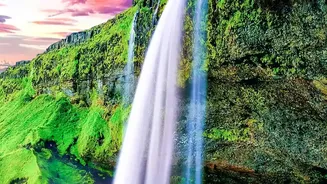
Seljalandsfoss: The One You Can Walk Behind
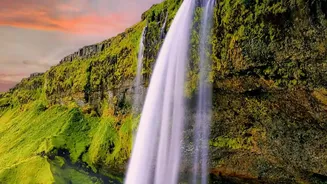
Located on Iceland's South Coast, Seljalandsfoss offers one of the most unique waterfall experiences in the world. A pathway allows visitors to walk completely behind its 60-meter cascade, providing a stunning, albeit misty, perspective from within a shallow cave. This rare opportunity makes it a favorite for photographers and travelers seeking an immersive encounter with nature. The path is generally open from late spring to early autumn but be prepared with waterproof gear, as the spray is constant. Just a short walk away is its hidden neighbor, Gljúfrabúi, a waterfall concealed within a canyon, making for a perfect two-in-one stop.
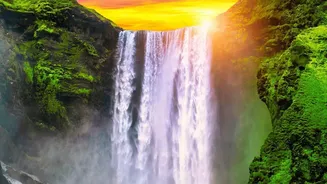
Skógafoss: The Classic Powerhouse
With its perfect rectangular curtain of water dropping 60 meters and spanning 25 meters wide, Skógafoss is a picture-perfect vision of power and beauty. Located on the South Coast, it's easily accessible from the Ring Road. You can walk right up to its base to feel the immense force, but expect to get wet from the heavy mist. On sunny days, the spray frequently produces single or even double rainbows, adding to its magical allure. For a different perspective, a staircase of about 400-500 steps leads to an observation platform at the top, offering panoramic views of the cascade and the coastline.
Dettifoss: Europe's Most Powerful Waterfall
Situated in Vatnajökull National Park in Northeast Iceland, Dettifoss is a force of nature. It is widely considered the most powerful waterfall in Europe, with an average of 193 cubic meters of water thundering over its edge every second. The sheer volume creates a roar that can be felt in the vibrating ground beneath your feet. The waterfall is 45 meters high and 100 meters wide, and its water appears greyish due to the glacial sediment it carries from the Vatnajökull glacier. Viewing platforms on both the east and west banks offer different, equally dramatic perspectives of this raw and awe-inspiring cascade.
Svartifoss: The Basalt Beauty
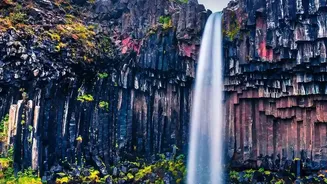
Svartifoss, or 'Black Falls,' is famous not for its size but for its stunning geological backdrop. Located in Skaftafell Nature Reserve, this 20-meter waterfall is framed by dark, hexagonal basalt columns that resemble the pipes of a giant church organ. This unique formation is the result of lava cooling very slowly, and it famously inspired the architecture of Reykjavík's Hallgrímskirkja church. Reaching Svartifoss requires a moderate 1.5-kilometer hike from the visitor center, which takes about 45 minutes each way. The trail itself is scenic, passing several other smaller falls along the way.
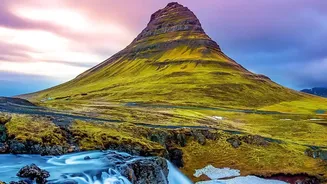
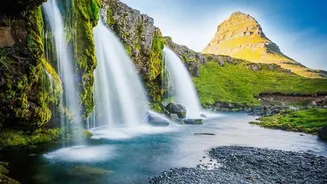
Kirkjufellsfoss: The Mountain's Companion
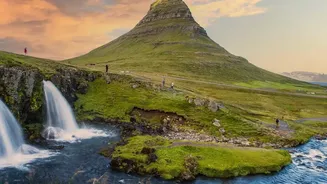
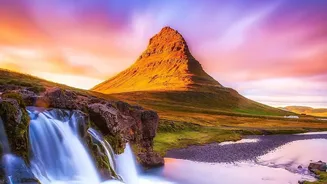
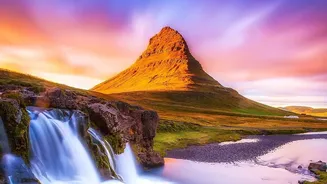
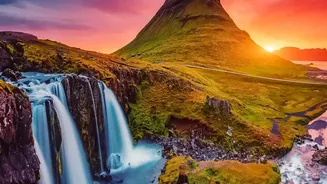
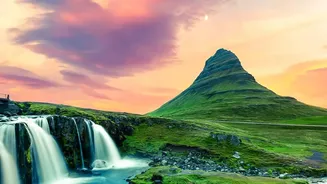
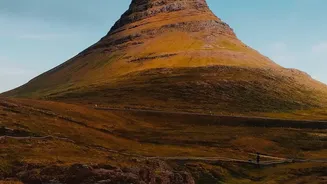
While not the largest or most powerful, Kirkjufellsfoss may be one of the most photographed waterfalls in Iceland, thanks to its iconic companion: Kirkjufell mountain. Located on the Snæfellsnes Peninsula, the gentle, multi-tiered falls create the perfect foreground for photos of the uniquely shaped 'Church Mountain'. The combination of the elegant cascade and the striking peak behind it has become a quintessential Icelandic image. The site is easily accessible and offers viewpoints that perfectly frame both natural wonders, making it a mandatory stop for anyone touring the peninsula, especially at sunrise or sunset.