






The Science of Deliciousness
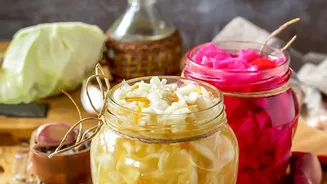
At its heart, kimchi is a traditional Korean dish of fermented vegetables. While napa cabbage is the most common base, there are over 180 recognized varieties made with radishes, cucumbers, scallions, and more. The magic that unites them is fermentation.
This ancient preservation method does more than just extend the life of vegetables; it creates entirely new dimensions of flavor. During fermentation, naturally occurring lactic acid bacteria consume the sugars in the vegetables, converting them into lactic acid. This process is what gives kimchi its signature tangy, sour taste, a vibrant acidity that's more complex than simple vinegar. It’s a living food, constantly evolving in its jar, with flavors deepening over time.
A Symphony in Every Bite
The complexity of kimchi doesn't stop with the sour tang of fermentation. It’s a carefully orchestrated blend of ingredients, each playing a crucial role. The most iconic element is often the heat, which comes from gochugaru (Korean red pepper flakes). This provides a warm, lingering spice that’s more flavorful than sharp. Garlic and ginger add a pungent, aromatic depth, while scallions bring a mild, fresh onion note. Perhaps the most important layer for complexity is umami—that savory, fifth taste. In kimchi, this comes from ingredients like fish sauce or fermented salted shrimp, which provide a deep, salty, and savory backbone that ties all the other flavors together. This combination of spicy, sour, pungent, and savory makes kimchi a powerhouse ingredient.
More Than Just a Side Dish
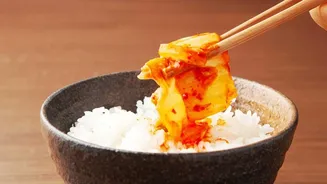
In Korean cuisine, kimchi is a staple side dish (banchan) served with nearly every meal. But limiting it to the side of the plate is to miss its true potential as a transformative ingredient. Because it’s already a complete package of flavor, kimchi can be used to instantly elevate simple dishes, saving you time and effort. A little bit of chopped kimchi or even just its brine can add a punch of flavor that would otherwise require multiple spices, herbs, and acids. It works as a condiment, a marinade, a seasoning, and a main component, making it one of the most versatile items you can keep in your fridge.
Putting Kimchi to Work in Your Kitchen
Integrating kimchi into your cooking is surprisingly easy. The classic starting point is kimchi fried rice, where chopped kimchi is stir-fried with day-old rice, vegetables, and often a fried egg on top. For a quick and comforting meal, add a generous spoonful to instant noodles or use it to create a rich and spicy kimchi stew (jjigae). It can also transform Western comfort foods; try it in a grilled cheese sandwich for a spicy, tangy melt, or fold it into macaroni and cheese. Finely chopped kimchi can be mixed into scrambled eggs, folded into savory pancakes, or used as a bold topping for tacos, burgers, and even pizza. The possibilities are endless, and experimentation is highly encouraged.
Choosing Your Perfect Kimchi
When you're at the store, you'll find a wide variety of kimchi. Napa cabbage kimchi (baechu-kimchi) is the most common. Some kimchi is sold fresh, meaning it's less fermented and milder, while more aged kimchi will be sourer, spicier, and softer. Your preference will depend on how you plan to use it; fresher kimchi is great as a side dish, while more fermented kimchi is often preferred for stews and fried rice. You'll also find non-spicy versions like white kimchi (baek kimchi) and varieties made with different vegetables, such as cubed radish kimchi (kkakdugi). Many brands now offer vegan versions that omit the fish sauce or shrimp, so there's a kimchi for every palate.