




The Enduring Appeal of Cast Iron
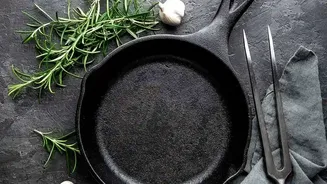
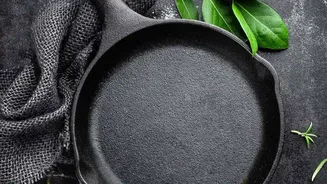
There's a reason so many cooks, from grandparents to professional chefs, swear by cast iron. When properly seasoned, it develops a natural non-stick surface that improves with every use. Its ability to get roaring hot and stay that way makes it perfect
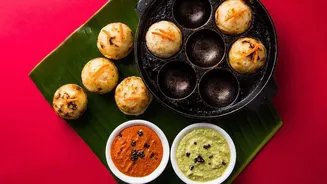
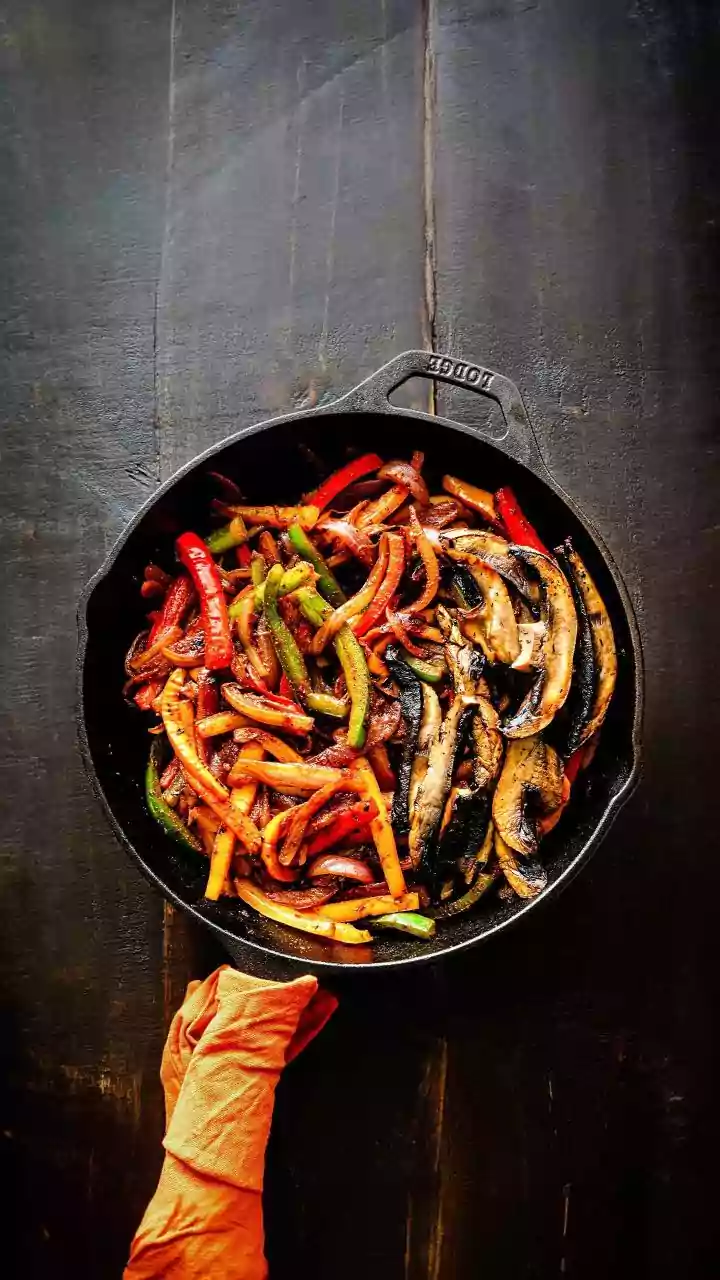
for achieving a crispy, golden-brown dosa or a perfect sear on paneer and vegetables. This excellent heat retention also makes it ideal for deep-frying snacks like samosas and pakoras, as it maintains a stable oil temperature. Furthermore, its slow and even heating is wonderful for dishes like dal makhani or rajma, where flavours meld and deepen over a long cooking time. For many, the weight and substance of a cast iron pan feels like a connection to tradition and a promise of a flavourful meal.
The Acid Test: A Major Limitation
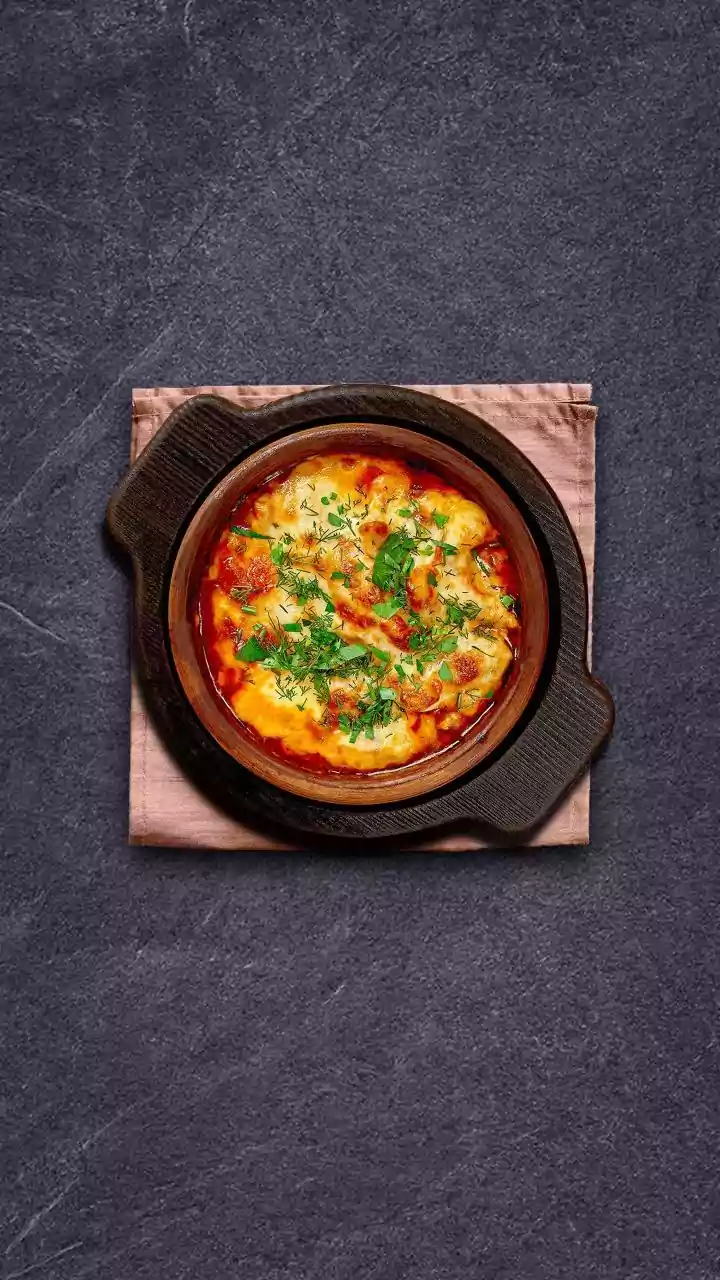
The single biggest issue with cast iron is its reactivity with acidic ingredients. Many iconic Indian dishes rely on the sour notes of tomatoes, tamarind (imli), kokum, vinegar, or lemon juice. When these ingredients are cooked for an extended period in a cast iron vessel, especially one that isn't perfectly seasoned, the acid can strip the protective oil layer and react with the iron. This can result in a distinct metallic taste leaching into your food, which is particularly noticeable in delicate gravies like rasam or sambar. While a quick sauté of tomatoes might be fine, slow-simmering a tangy tomato-based curry or a tamarind-heavy puliyogare for hours is best avoided in bare cast iron to preserve both the pan's seasoning and the dish's intended flavour.
Not Ideal for Delicate or Quick-Toss Dishes
Cast iron is a heavyweight champion, but that's not always a good thing. Its heft can make it cumbersome for cooking styles that require quick movements, like tossing vegetables in an Indo-Chinese stir-fry. Lighter pans, such as those made from carbon steel or aluminium, are often better suited for these fast-paced techniques. Another point to consider is that cast iron is slow to heat up and, more importantly, slow to cool down. This can be a disadvantage for recipes that need precise temperature control, such as making a delicate tadka (tempering) where you need to prevent spices from burning once they've bloomed. Delicate foods like certain types of fish or even eggs can also stick stubbornly to the surface if the pan's seasoning isn't flawless.
The Maintenance Commitment
Unlike stainless steel or non-stick pans that can be scrubbed and stacked with little worry, cast iron requires a specific care routine. It must be cleaned shortly after use, dried thoroughly to prevent rust, and often lightly oiled before storing. Using harsh detergents can strip away the hard-earned seasoning, the layer of polymerized oil that gives the pan its non-stick quality. While the process of seasoning and maintenance is straightforward, it is a commitment that not every home cook wants to make. Forgetting to dry a pan properly or leaving acidic food in it overnight can damage the surface and require you to scrub off rust and re-season the cookware.
When Is Cast Iron the Perfect Choice?
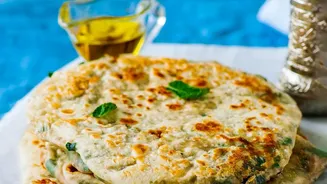
Despite its limitations, cast iron remains a star performer for a huge range of Indian foods. It is unparalleled for making flatbreads; the even, sustained heat is exactly what you need for fluffy rotis, crisp parathas, and perfectly cooked uttapams. It truly shines when used as a tawa for dosas, creating that signature crisp texture. For dry sabzis like aloo fry or bhindi masala, the pan’s ability to create a beautiful char and caramelisation is a major advantage. It is also excellent for slow-cooked, non-acidic meat and vegetable dishes where deep, even heat is beneficial. Enamel-coated cast iron offers a good compromise, providing the heat retention of iron without the reactive surface, making it suitable for acidic curries.