




The Foundation: Why Moisture Is Everything
Think of hair like a plant; without water, it becomes dry, brittle, and lifeless. Moisture is the foundation of healthy hair, responsible for its elasticity, shine, and manageability. When hair is properly hydrated, its outer layer, the cuticle, lies
flat, which helps it reflect light and feel smooth. This hydration comes from the natural oils (sebum) your scalp produces, but often that isn't enough, especially for long, curly, or chemically treated hair. Without enough moisture, hair becomes porous and prone to frizz, breakage, and split ends. It also loses its ability to stretch without snapping, making it vulnerable during everyday activities like brushing and styling.
How to Properly Moisturize Your Hair
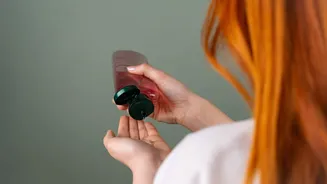
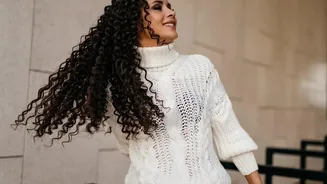
Moisturizing is a two-step process: adding hydration (water) and then sealing it in. Simply applying oils to dry hair won't work, as oil itself is not a moisturizer. Start with water-based products like leave-in conditioners applied to damp hair. Then, use a deep conditioner or hair mask at least once a week to replenish moisture levels. To lock everything in, apply a sealing oil or cream. This creates a protective barrier that prevents the water from evaporating, keeping your hair supple for longer. For those with curly hair, this method is especially crucial, as the hair's shape makes it difficult for scalp oils to travel down the shaft, leading to drier ends.
The Art of Gentle Handling
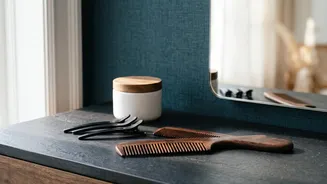
All the moisture in the world won't matter if you're rough with your hair. Gentle handling is about minimizing physical stress that leads to breakage. This starts in the shower; instead of rubbing shampoo aggressively through your lengths, gently massage it into your scalp and let it rinse down. When your hair is wet, it’s at its most fragile. Avoid rubbing it with a coarse towel; instead, gently squeeze out excess water with a microfiber towel or an old t-shirt. When detangling, use a wide-tooth comb, starting from the ends and working your way up to the roots to avoid creating more knots. Finally, reconsider tight hairstyles like high ponytails or buns for daily wear, as the constant tension can weaken hair follicles and cause breakage over time.
The Trend Trap: When Fads Cause Damage
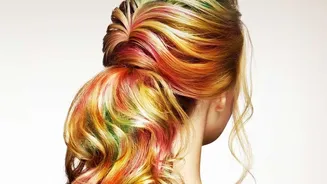
Many popular hair trends directly contradict the principles of moisture and gentle handling. For example, frequent use of high-heat styling tools like flat irons and curling wands can strip moisture and damage the hair's protein structure, leading to weakness and breakage. Similarly, harsh chemical treatments like bleaching, perming, or relaxing can leave hair porous and extremely fragile. Even seemingly harmless trends, like daily tight ponytails or overuse of certain 'detox' products, can cause damage. While trying a new style can be fun, it’s important to weigh the temporary look against the potential for long-term damage. Always use a heat protectant and give your hair breaks between intensive styling sessions.