






Understanding the Alarming Numbers
Recent figures presented to Parliament paint a concerning picture of food safety across the nation. During the 2025-26 period, a staggering 40,023 out of 223,808 food samples analysed were found to be "non-conforming". This translates to roughly 18%,
or nearly one in every five food items tested, failing to meet the standards set by the Food Safety and Standards Authority of India (FSSAI). The term "non-conforming" covers a wide range of violations. While some may be minor labelling errors, many involve serious issues like substandard quality, the presence of harmful chemicals, or outright adulteration, posing significant health risks to consumers.
Why Festivals Are a Prime Time for Adulteration
The festive season, marked by a surge in demand for sweets, dairy products, and oils, unfortunately, creates a fertile ground for unscrupulous practices. To meet this heightened demand and maximise profits, some producers and vendors resort to adulteration. High-demand items like khoya (milk solids), paneer (cottage cheese), ghee (clarified butter), and edible oils are particularly vulnerable. The rush allows sellers to push low-quality or even hazardous products into the market, disguised as festive treats. This is when pure ghee might be mixed with cheaper vegetable oils or animal fats, and khoya can be bulked up with starch.
Authorities on High Alert
Recognising this seasonal threat, food safety authorities across the country are stepping up their vigilance. The FSSAI has directed state bodies to intensify surveillance and conduct enforcement drives, especially targeting hotspots for food production and sales. In recent weeks, states like Maharashtra have launched massive crackdowns, seizing tonnes of adulterated food items, including sweets made with cheap substitutes like palm oil instead of pure dairy. These raids have uncovered shocking hygiene deficiencies, from pest infestations to the use of banned substances, leading to the suspension of licenses for numerous establishments.
The Usual Suspects: What to Watch Out For
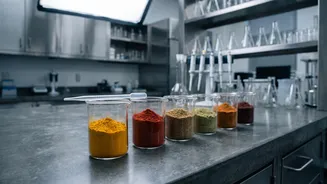
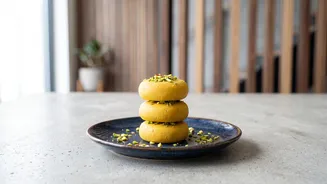
During the festive rush, certain products carry a higher risk of being adulterated. Sweets and Khoya: These are often bulked up with starch, flour, or even blotting paper. Harmful, non-permitted chemical dyes are sometimes used to make them look more attractive. Paneer: A significant portion of loose paneer can be fake, made from starch, vegetable oil, and sometimes even harmful substances like detergent to mimic the texture and appearance of real paneer. Ghee: It is commonly adulterated with vanaspati (partially hydrogenated vegetable oil), palm oil, or animal fats to reduce costs. Edible Oils: Cheaper oils like argemone oil are sometimes mixed with mustard oil, which can have toxic effects.
Your Guide to Safer Festive Feasting
While regulators are doing their part, being an informed consumer is your best defence. Here are a few simple tips: Buy from Trusted Sources: Whenever possible, purchase from reputable brands or vendors you have trusted for years. Check for FSSAI registration or license details on the packaging. Trust Your Senses: Real paneer is soft and crumbly; fake paneer often feels rubbery. Pure ghee has a distinct aroma and granular texture, while adulterated versions may be greasy and odourless. A Simple Home Test for Paneer: A quick test for starch, a common adulterant, is to boil a small piece of paneer in water, let it cool, and add a drop of iodine solution. If it turns blue, it contains starch. Check Your Ghee: To test for vanaspati, melt a teaspoon of ghee and add a pinch of sugar. Shake it and let it sit for five minutes. If a red colour appears at the bottom, it's adulterated.