



The Sub-2% Problem
For a global giant like Volkswagen, its performance in India is a persistent puzzle. The Indian passenger vehicle market is one of the largest and fastest-growing in the world, yet the entire Volkswagen Group (including Skoda) struggles to capture a meaningful
slice. Despite years of operations and a multi-billion euro investment, the group's combined market share has hovered below the 5% mark, and often closer to 2.5%. This is a stark contrast to market leaders like Maruti Suzuki and Hyundai, who have mastered the art of catering to the Indian consumer. For Volkswagen, this isn't just a missed opportunity; it's a significant drag on its global ambitions, prompting a full-scale re-evaluation of its strategy.
A Billion-Euro Bet That Hasn't Fully Paid Off
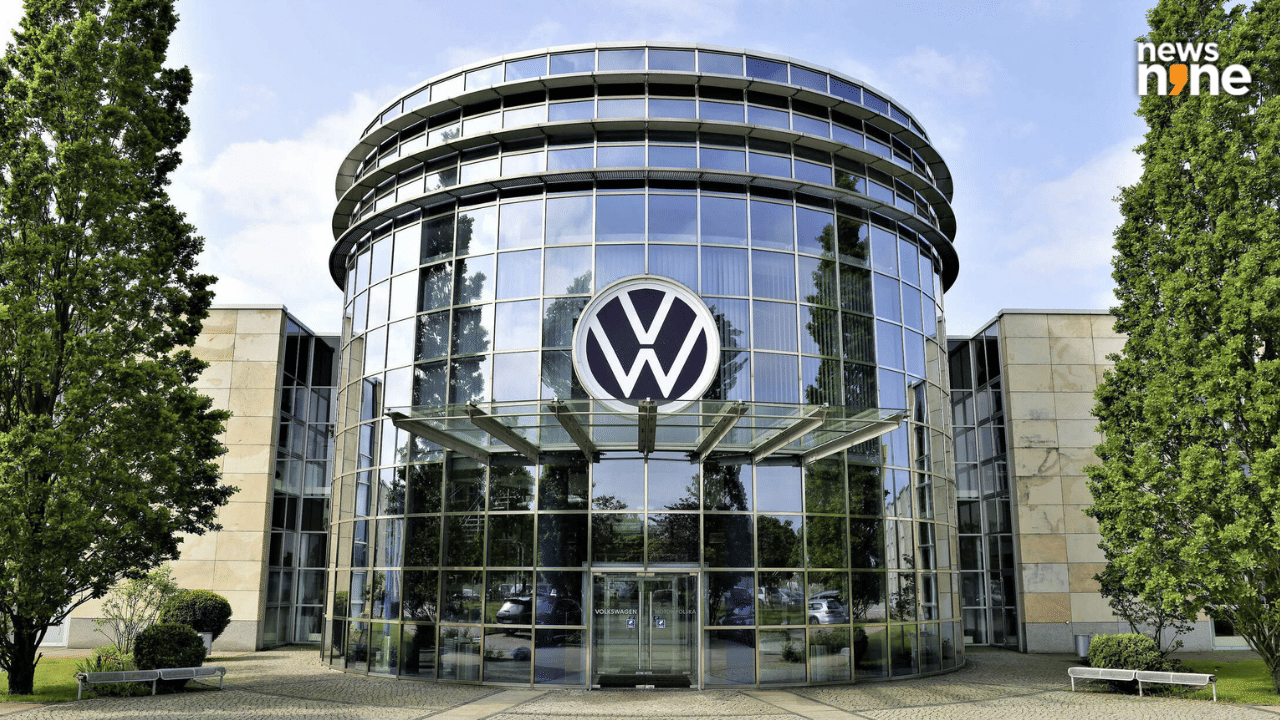
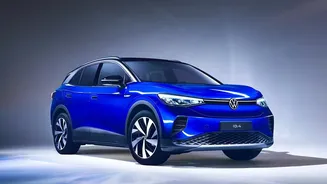
The core of Volkswagen's recent strategy was the 'India 2.0' project, a plan led by its Czech subsidiary, Skoda Auto. Launched with an investment of over one billion euros, the goal was ambitious: develop cars specifically for India on a localised platform (MQB-A0-IN) to control costs and better meet local tastes. This gave birth to four new models: the Skoda Kushaq and Slavia, and the Volkswagen Taigun and Virtus. While these cars did boost sales and received praise for their safety and driving dynamics, they failed to make a significant dent in the dominance of their competitors. The initial target of capturing a 5% market share by 2025 was missed, pushing the timeline back to 2030 and raising questions about the project's ultimate success.
What an 'Ownership Review' Really Means
The news of a potential 'ownership review' signals a critical inflection point. In corporate terms, this is far more than a routine meeting. It means all options are on the table. This could range from seeking a strategic partner to share costs and risks, to selling a significant stake in its Indian operations, or, in the most extreme scenario, a phased exit. Recent reports suggest the company is in advanced discussions to sell a majority stake to an Indian conglomerate like JSW Group. Such a move would allow Volkswagen to reduce its financial exposure while potentially retaining a presence in the market through a partnership, a model that acknowledges the unique challenges of the Indian landscape.
A Familiar Story for Foreign Brands
Volkswagen's struggles are not unique. The Indian market is a known graveyard for a number of global automotive ambitions. Giants like General Motors and Ford invested heavily for years before ultimately ceasing domestic sales, unable to crack the code of the price-sensitive Indian buyer and the scale of local leaders. Even Harley-Davidson shut its standalone operations. Common challenges include a market dominated by small, affordable cars, a segment where foreign brands often lack competitive products. Furthermore, failing to deeply understand local consumer preferences and the complex distribution network can prove fatal. Volkswagen's current predicament is another chapter in this long and cautionary tale.
The Crossroads: EV Push or Strategic Retreat?
Volkswagen now stands at a crossroads. Does it double down, perhaps by accelerating its push into electric vehicles (EVs) where the market is still nascent and it might be able to establish a foothold? Or does it take the more conservative path of de-risking its operations through a partial sale? The latter seems increasingly likely. A partnership with a strong local player could provide the market insight and operational agility that the German automaker has seemingly lacked. The decision will not only define Volkswagen's future in Asia but also serve as a crucial case study for other multinational corporations weighing the immense potential of India against its formidable challenges.