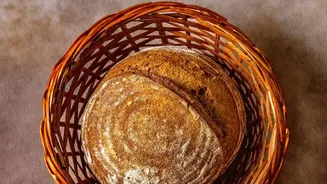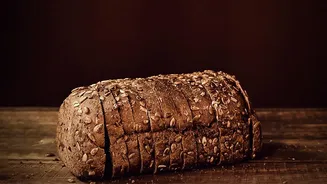




Walk into a certain New York City bakery and you might find a loaf of bread with a price tag that feels more like a dinner entree. But the sticker shock over a $20, or even $60, loaf of sourdough isn't just about inflation. It’s a sign of a much bigger
shift in what we value.
The Anatomy of a High-Priced Loaf
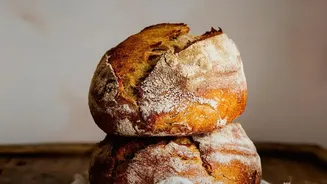
Before you dismiss it as just flour and water, let's break down the baker's math. The cost of an artisan loaf isn't arbitrary; it’s a direct reflection of its creation. It starts with premium ingredients, like organic, heritage, or specialty flours shipped from specific regions, which offer complex flavor that mass-market flour can't match. Then there's the most expensive ingredient: time. A true sourdough can take 24 to 72 hours to make, from feeding the starter to the long, slow fermentation process. This extended fermentation is what develops the bread’s character and makes it easier to digest. Unlike a factory churning out thousands of loaves an hour, artisan bakeries operate in small batches, meaning the immense costs of skilled labor and sky-high urban rent are divided across far fewer products. As one baker explains, labor is the single biggest driver of the cost, not the ingredients themselves.
You're Not Just Buying Bread, You're Buying a Story
When someone pays a premium for a loaf, they're purchasing more than just food; they're buying an experience. At a time when so much of our lives is digital and disconnected, artisan products offer a tangible link to tradition and craftsmanship. A bakery like Rye by Martin Auer in Manhattan, which became famous for its $60 loaf, doesn't just sell bread; it sells a legacy. They highlight a starter purportedly kept alive for over 50 years and flour imported from Austria, all part of a fourth-generation family business. This narrative provides a powerful connection for consumers. For many, especially Millennials and Gen Z, a product's authenticity, transparency, and the story behind it are part of its value. You get to know the baker's philosophy, see the process in an open kitchen, and feel like you're supporting a specific craft, not an anonymous corporation.
The Rise of the 'Food Experience' Economy
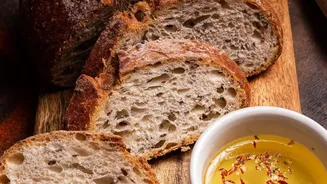
The sourdough phenomenon is part of a larger trend where consumers increasingly prioritize experiences over products. While this is often associated with travel or events, it has firmly taken root in the food world. The enjoyment is no longer just about taste; it’s a multi-sensory event that includes aroma, texture, and appearance. A crust that crackles just so, a beautiful open crumb—these details elevate eating into something more memorable. This shift explains the boom in everything from craft breweries and local roasters to bean-to-bar chocolate makers. Consumers are seeking novelty and a deeper engagement with what they consume. In this context, an expensive loaf of bread becomes an affordable luxury—a small, accessible way to participate in a culture of quality and authenticity.
Is It Worth It?
Whether a loaf of bread can ever be worth $20, let alone $60, is a personal calculation. For a growing number of people, the answer is yes, because the definition of value itself is changing. While some shoppers will always prioritize the lowest price, many others are willing to pay more for a product that delivers on quality, service, and experience. The artisan food movement taps directly into this desire. It offers a counter-narrative to the industrialized food system, one built on skill, patience, and superior ingredients. Critics may call it elitist or a symptom of a city with too much disposable income, but its appeal is undeniable. It reflects a craving for things that are made with care, that have a story, and that make a daily staple feel special again.