






The Superfood Showdown
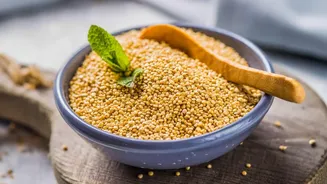
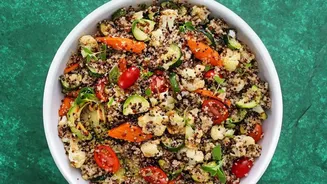
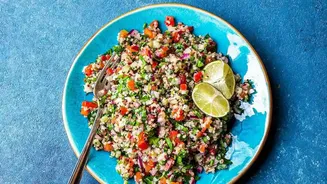
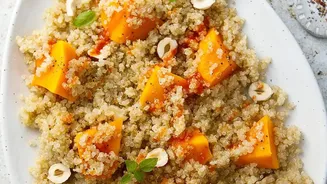
For years, quinoa has dominated health food aisles and restaurant menus, celebrated for its impressive nutritional resume. Originating from the Andes in South America, this tiny seed gained global fame and was dubbed a 'superfood'. On the other side,
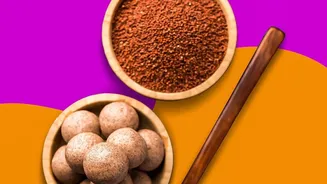
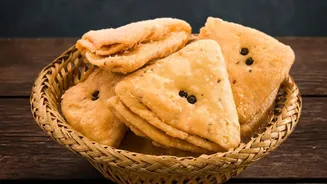
we have ragi, or finger millet, an ancient grain that has been a staple in Indian and African diets for thousands of years. It’s a humble, resilient crop known for its ability to thrive in harsh conditions. While quinoa took the spotlight, ragi has been quietly nourishing millions. Today, as we look closer at local and traditional foods, the question arises: which one truly offers more?
Protein: Quinoa’s Claim to Fame
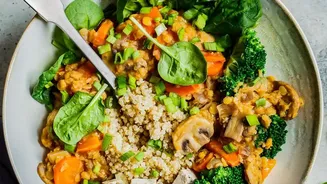
Quinoa's biggest selling point is its protein. It's known as a 'complete protein' because it contains all nine essential amino acids our bodies can't produce on their own. A 100-gram serving of uncooked quinoa offers around 14-16 grams of protein. In comparison, the same amount of ragi provides about 7-10 grams of protein. While quinoa is the clear winner on quantity and completeness, ragi's protein is still valuable. Furthermore, in Indian food culture, grains are rarely eaten alone. When ragi is paired with dals or legumes, the combined meal often provides a complete amino acid profile, much like quinoa.
Calcium: Ragi Is the Undisputed King
This is where ragi truly shines and leaves quinoa far behind. Ragi is a powerhouse of calcium. A 100-gram serving of ragi contains approximately 344-364 mg of calcium. Quinoa, in the same portion, offers only about 47 mg. That means ragi has over seven times more calcium than quinoa. For a country where calcium deficiency, especially among women and children, is a significant concern, ragi's contribution to bone health is immense and cannot be overstated. It offers nearly three times more calcium than an equivalent serving of milk, making it one of the best plant-based calcium sources available.
Fibre, Carbs, and Blood Sugar
Both grains are excellent gluten-free sources of complex carbohydrates and dietary fibre. Some data suggests ragi has a slight edge in fibre content, with about 11 grams per 100g compared to quinoa's 7 grams, which aids digestion and promotes a feeling of fullness. Both grains have a low glycemic index (GI), with quinoa at around 53 and ragi in a similar range. This means they release sugar into the bloodstream slowly, preventing sharp spikes and making them suitable choices for individuals managing blood sugar levels.
Micronutrients and Cost
When it comes to other minerals, the competition is more balanced. Quinoa tends to have a slight edge in iron, magnesium, and folate. However, ragi is also a good source of iron and magnesium. But the most significant practical difference is cost and accessibility. Quinoa, often imported, is a premium product with a high price tag. Ragi, being a locally grown millet, is far more affordable and widely available across India. This makes it a much more sustainable and practical choice for daily consumption for the average Indian family.