

Understanding Gochujang
The star of this dish is gochujang, a fundamental ingredient in Korean cooking. It’s a fermented red chili paste made from chili powder, glutinous rice, fermented soybeans, and salt. This is not just a simple hot sauce; fermentation gives gochujang a complex
flavor that is simultaneously spicy, sweet, and packed with savory umami depth. Its thick, paste-like consistency makes it an ideal base for glazes and marinades, as it clings to ingredients beautifully. The level of heat can vary between brands, so it's always wise to start with a smaller amount and add more to taste.
The Secret to Crispy Tofu
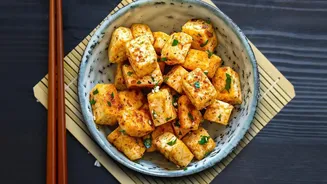
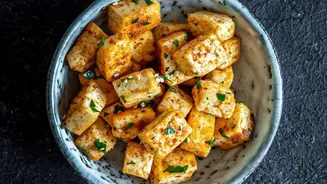
The most common pitfall when cooking tofu is a soft, spongy texture. The secret to achieving a delightfully crispy exterior lies in removing as much moisture as possible. Start with extra-firm tofu. Even this variety holds a lot of water, so pressing is a non-negotiable step. Simply drain the tofu, place it between layers of paper towels or a clean kitchen towel, and put something heavy—like a cast iron skillet or a few cans—on top for at least 30 minutes. Once pressed, cut the tofu into cubes. Tossing these cubes in cornstarch before cooking is another key to success; the cornstarch absorbs any remaining surface moisture and creates a coating that fries up to a perfect golden crisp.
Cooking the Tofu Separately
To preserve that hard-won crispy texture, it's crucial to cook the tofu separately before introducing the sauce. You can pan-fry, bake, or air-fry the cornstarch-coated cubes. For pan-frying, heat a neutral oil in a skillet over medium-high heat and cook the tofu, turning occasionally, until all sides are golden brown and crisp, which usually takes about 8 to 10 minutes. If you prefer an air fryer, cook the tofu at around 400°F (200°C) for 11 to 15 minutes, shaking the basket halfway through. Baking in a hot oven at 425°F (220°C) for 25-30 minutes also works well. Only after the tofu is perfectly crisped should you toss it with the sauce.
Crafting the Perfect Sauce
While the tofu cooks, you can whisk together the gochujang glaze. A well-balanced sauce will enhance the entire bowl. Start by combining gochujang with a few other pantry staples. A typical mixture includes soy sauce for saltiness and umami, rice vinegar for a touch of acidity, and a sweetener like maple syrup, agave, or honey to balance the heat. Minced garlic and grated ginger add aromatic depth, while a dash of sesame oil provides a nutty finish. Whisk all the ingredients in a small bowl until smooth. You can gently warm the sauce in the same pan you used for the tofu, which allows the flavors to meld and the sauce to thicken slightly before you add the crispy tofu and toss to coat.
Assembling Your Rice Bowl
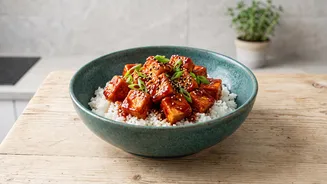
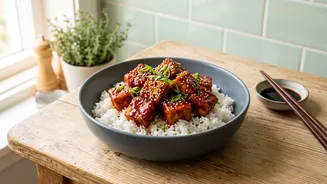
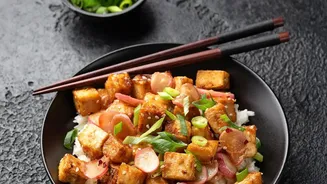
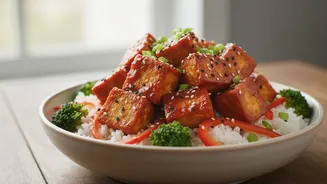
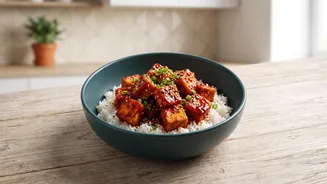
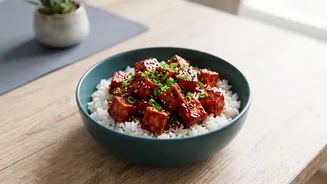
With your key components ready, it’s time to assemble your masterpiece. Start with a foundation of fluffy cooked rice in each bowl. Arrange the saucy, crispy tofu on one side. The rest of the bowl is a canvas for your favorite vegetables, which add freshness, color, and crunch. Excellent choices include lightly blanched bean sprouts, sauteed spinach, julienned carrots, and thinly sliced cucumbers. You can also add sauteed mushrooms, broccoli, or shredded cabbage. For a final flourish, garnish with toasted sesame seeds, thinly sliced green onions, and perhaps a drizzle of any extra sauce over the rice and veggies.