









Why Local Plants Matter Most
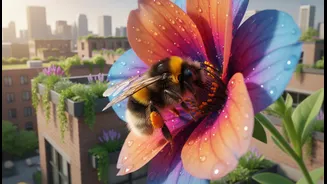
Pollinators, from the tiniest native bees to colourful sunbirds, have co-evolved with the plants in their natural environment. This deep-rooted relationship means they are perfectly adapted to find and feed on the nectar and pollen of native flora. When
you plant species that are indigenous to your region, you are essentially rolling out a welcome mat for these crucial creatures. Native plants form the backbone of local biodiversity, providing not just food but also shelter and breeding grounds for countless species. Think of trees like Neem and Jamun, which sustain birds and insects, or flowering shrubs that offer a habitat for butterflies. By choosing native, you are supporting a complex, pre-existing food web right in your backyard or on your balcony.
India's Diverse Climates and Pollinators
India is a country of vast climatic diversity, from the tropical humidity of the south to the arid heat of the western plains and the temperate conditions of the Himalayan foothills. This variation directly impacts which plants will thrive and which pollinators will visit them. A plant that flourishes in the heavy monsoon of Kerala may not survive the dry winters of Delhi. Similarly, the pollinators are also region-specific. India is home to several hundred species of bees, not just the familiar honey bee, alongside a stunning variety of butterflies, moths, flies, and nectar-feeding birds. A study in Karnataka, for instance, noted that stingless bees were primary pollinators during normal rainy seasons, while the larger rock bees (Apis dorsata) took over during drought years, showcasing how local ecosystems adapt. Choosing plants suited to your local climate ensures they will be healthy enough to produce the abundant nectar and pollen that regional pollinators rely on.
Gardening in Tune with the Seasons
Pollinator activity is not constant throughout the year; it ebbs and flows with the seasons. A study in Assam confirmed that pollinator abundance is strongly linked to seasonal changes in temperature, rainfall, and when flowers bloom. The post-monsoon and monsoon seasons often see the highest diversity of pollinators due to the abundance of flowering plants. To create a truly supportive garden, aim for a continuous bloom cycle. Plant a variety of species that flower at different times—from early spring to late autumn. For instance, having plants that bloom during the monsoon, followed by others that flower in the cooler, drier months, provides a consistent food source. Even common kitchen herbs like Tulsi, coriander, and mint become invaluable pollinator resources if you allow them to flower. This seasonal strategy ensures your garden remains a reliable 'café' for pollinators year-round.
Making Smart Plant Choices
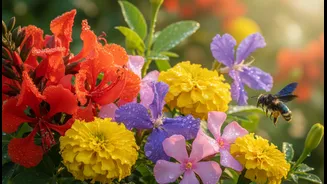
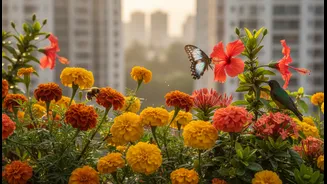
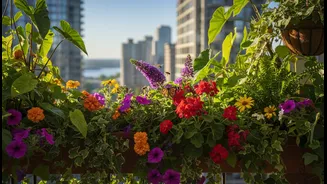
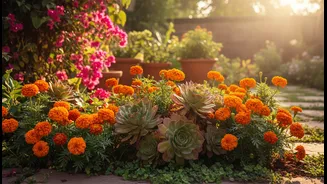
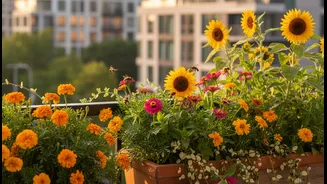
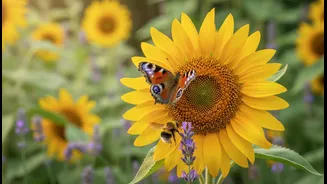
So, how do you pick the right plants? Start by observing your local environment or visiting a nursery that specialises in native species. Look for plants that attract a wide range of visitors. Sunflowers (Surajmukhi), Marigolds (Genda), and various types of Jasmine are popular across many regions for attracting bees and butterflies. In urban spaces, even pots of Tulsi, Hibiscus, or flowering vegetables like chillies and tomatoes can become vital resources. The goal is diversity. Mix different flower shapes, colours, and sizes to appeal to different types of pollinators. For example, bees are often drawn to blue and violet flowers, while butterflies might flock to clusters of zinnias and pentas. Planting in clumps, rather than single-spaced plants, creates a more visible and attractive target for foraging insects.
Creating a Complete Pollinator Haven
A thriving pollinator garden involves more than just flowers. One of the most important steps is to avoid or eliminate the use of chemical pesticides. These sprays can be lethal to beneficial insects like bees and butterflies, which are particularly vulnerable. Instead, embrace natural pest control methods like introducing ladybirds or manually removing pests. Another simple but crucial addition is a water source. A shallow dish of water with a few pebbles or marbles for insects to land on can be a lifesaver, especially during hot, dry days. Finally, a little bit of 'mess' is good. Leaving some bare ground for ground-nesting bees or a small pile of leaf litter can provide essential shelter and overwintering habitat for many species.