



Meet the New Wave of Road Warriors
A new generation of travellers is hitting the road, and they’re not just from Delhi or Mumbai. Increasingly, they hail from cities like Indore, Jaipur, Coimbatore, and Lucknow. Fuelled by rising disposable incomes and a growing desire for exploration,
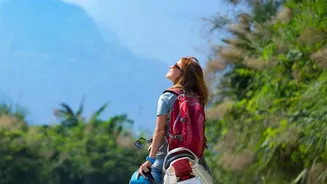
these travellers are a mix of young professionals, families, and digital nomads. Unlike the tourists of a decade ago, this group often craves experiences over traditional sightseeing. They are swapping crowded tourist traps for authentic local culture, serene nature, and the freedom of the open road. This shift is not just about where people are from, but how they want to travel: with more flexibility, spontaneity, and a focus on meaningful getaways.
The Trifecta Fuelling the Trend
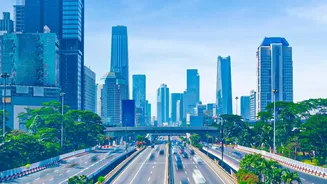
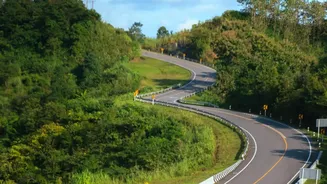
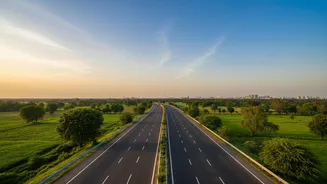
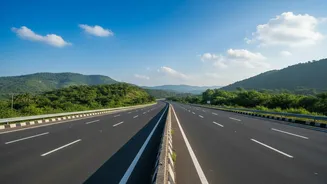
Three major forces have aligned to supercharge this movement. First, and most critically, is the massive upgrade in India's infrastructure. A rapidly expanding network of national highways and expressways has dramatically cut travel times, turning what were once arduous journeys into comfortable drives. The Delhi-Mumbai Expressway and Bengaluru-Chennai Expressway, among others, have made previously hard-to-reach destinations accessible for a weekend trip. Second, economic growth in non-metro areas has created a new class of consumers with the means and appetite for travel. Finally, the post-pandemic preference for private, controlled travel environments continues to favour personal vehicles over crowded public transport, solidifying the road trip's appeal.
New Roads Lead to New Destinations
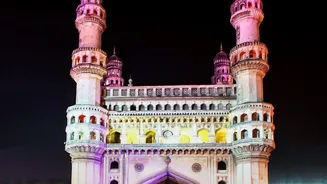
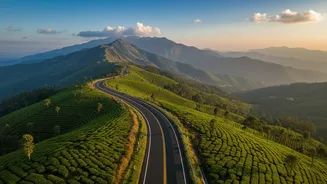
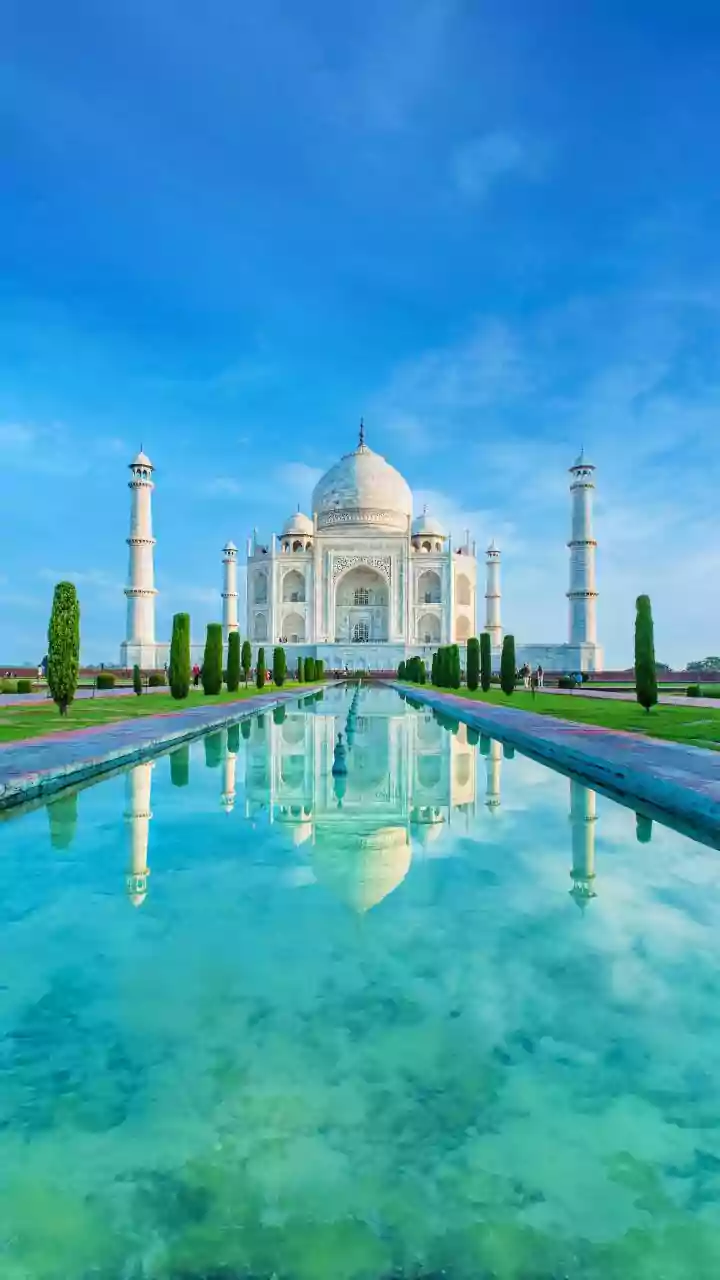
This trend is redrawing India's tourism map. While classic routes like Mumbai-Pune and Delhi-Agra still see high traffic, the fastest growth is now on regional corridors connecting smaller cities. Routes such as Ahmedabad-Vadodara, Thrissur-Kochi, and Kanpur-Lucknow are booming. Travellers are venturing into the hills of Uttarakhand and Himachal Pradesh, exploring the coastal beauty of Karnataka, and discovering heritage sites in Madhya Pradesh. This has led to a surge in demand for alternative accommodations. Boutique hotels, homestays, and curated villas in places like Coonoor, Bhuj, and Panchgani are flourishing as travellers seek unique and intimate stays away from large, impersonal hotels.
A Boost for Local Economies
The ripple effects of this trend are profound. The rise of micro-tourism, focused on shorter, local trips, is channelling tourist spending directly into smaller communities. This influx benefits independent businesses, from local guides and artisans to cafes and homestay owners, who are now catering to a steady stream of domestic visitors. Hotel operators are also taking notice, with budget and mid-scale hotels seeing high occupancy rates and expanding their footprint in Tier-II and Tier-III cities to cater to this value-conscious but experience-seeking demographic. This democratisation of tourism is not only creating jobs but also fostering a sense of local pride and preserving regional cultures.