








Why Sale Items Have Stricter Rules
Retailers often use deep discounts and clearance sales to move inventory quickly, especially for seasonal items or products at the end of their life cycle. Processing returns costs them money in shipping, inspection, and repackaging. For a full-priced
item, that cost is a standard part of doing business. For a heavily discounted product, the profit margin is already thin, making a return a potential loss for the seller. As a result, they protect themselves by applying more restrictive return policies to these items. It’s a business decision, but one that directly impacts you as a shopper.
Decoding the Return Policy Jargon
Understanding the language of return policies is your first line of defense. In the U.S., there is no federal law that requires retailers to accept returns for items if you simply change your mind, as long as their policy is clearly stated. This makes reading the fine print essential. Look out for these common phrases: Final Sale: This is the most restrictive policy. It means exactly what it says: once you buy it, you cannot return it for a refund, exchange, or store credit. The only exception is typically if the item is defective or not as described. Store Credit Only: You can return the item, but you won't get your money back. Instead, you'll receive a credit to use at that same store in the future. This is better than nothing, but it locks your money with that retailer. Restocking Fee: Some retailers will charge you a fee, often 10-25% of the purchase price, to cover the cost of processing your return. This fee is deducted from your refund, so you won't get the full amount back. This is more common for larger items like electronics or furniture. Shortened Return Window: While many stores offer extended return periods during the holidays, these generous windows might not apply to sale items. A discounted product could have a return window of only 7 or 14 days, even when full-priced items can be returned for a month or more.
Where to Find the Fine Print
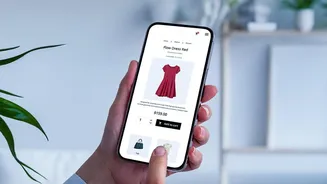
Retailers are generally required to make their return policies accessible before you complete a purchase. However, they don't always make it easy. Here’s where to look: Website Footer: The most common spot is a link labeled "Return Policy," "Refund Policy," or "Help/FAQ" in the website's footer. Product Page: For items with special rules, like "final sale," this information is often displayed directly on the product description page. Look for text in red or bold near the 'add to cart' button. * Checkout Process: Many sites will include a link to their terms and conditions, which includes the return policy, on the final checkout page. Sometimes you may have to check a box acknowledging you've read it.
Your Pre-Purchase Checklist
Before you get swept up in the excitement of a great price, run through this quick mental checklist: 1. Is this a gift? If so, a restrictive return policy is a bigger gamble. A gift receipt might allow for an exchange, but not if the item is final sale. 2. Am I certain about the size/fit? Clothing is one of the most returned online categories. If you're unsure, a final sale tag should be a major warning sign. 3. Have I located the policy? Take 30 seconds to find and scan the retailer's rules for sale items. 4. Is a store credit acceptable? If the policy is "store credit only," ask yourself if you're likely to shop there again soon. 5. Is there a restocking or return shipping fee? Factor that potential cost into the final price to decide if the deal is still worth it.
What to Do If You're Stuck With an Item
Even with careful planning, you might end up with a final sale item you can't use. If the product is defective, damaged, or significantly different from its description, you still have rights under consumer protection laws regardless of the store's policy. Contact customer service immediately with photos and documentation. If the issue is simply a change of mind or wrong size, your options are more limited. You can try calling customer service and politely explaining the situation; some may offer an exception to maintain goodwill. Otherwise, your best bet may be to try and resell the item on a marketplace platform, gift it to someone else, or donate it.