


The Offer That Sounded Too Good to Be True
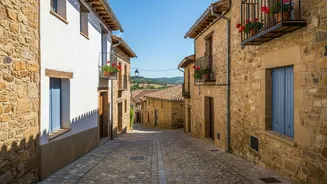
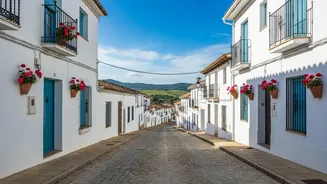
Several Spanish villages have made international news with enticing proposals. In Griegos, a small town with just over 130 residents, the council offered a free house and a job to attract families. The main goal was to save the local school, which was down
to only nine students. Similarly, the village of Ponga in the mountains of Asturias offered couples €3,000 to move there, with an additional €3,000 for every baby born in the village. In another case, Arenillas in Soria offered a renovated, rent-free home and a guaranteed job to a family willing to settle permanently. These are not scams; they are real, earnest attempts by tiny communities to survive.
Reading the Fine Print
The catch isn't in the offer itself but in the very specific requirements. Overwhelmingly, these schemes are designed for one purpose: to bring children into the community and keep local schools from closing. Applicants are almost always required to be a family with school-aged children. Furthermore, the number of available homes is minuscule—often just one or two. While Griegos received over 3,000 applications for its handful of spots, the reality of the jobs offered was also specific, such as running the local bar or working in a hotel. Crucially, all these offers require applicants to already have the legal right to live and work in Spain, a detail often missed in breathless international coverage. This automatically disqualifies most non-EU citizens who dream of applying.
A Symptom of 'Empty Spain'
These viral offers are a symptom of a much larger national issue known as 'La España Vaciada' or 'Empty Spain'. For over half a century, vast swathes of Spain's interior have been emptying out as people move to large cities and coastal areas for work. This rural exodus has left behind thousands of villages with aging populations and dwindling services. Provinces in regions like Castilla y León and Aragón now have some of the lowest population densities in Europe. The 'Revolt of Empty Spain' became a political movement in 2019, with people demanding better infrastructure, internet access, and government attention for the forgotten interior. These free-home schemes are a grassroots manifestation of that fight for survival.
Do These Schemes Actually Work?
The success of these programs is mixed. They are highly effective at generating publicity and a flood of initial interest. Griegos was inundated with thousands of applications from all over the world. However, the long-term challenge is retention. Life in a village of 100 people, often with limited amenities and a very different social dynamic, is not for everyone. While a free house removes a major financial barrier, it doesn't solve the challenges of social integration, limited career opportunities beyond the specific job offered, or the isolation that can come with rural life. More recent initiatives have evolved, creating structured programs like Holapueblo that connect entrepreneurs with villages, providing a more sustainable model than simply handing over keys. These newer approaches recognize that repopulation isn't just about filling empty houses; it's about building a viable, long-term community.