



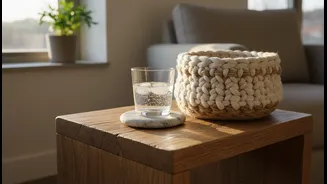


The Psychology of a Calmer Space
Have you ever walked into a room and felt instantly overwhelmed by ‘stuff’? That feeling is often caused by visual clutter. Our brains are constantly scanning and processing our environment, and when faced with too many different shapes, colours, and textures,
it can lead to mental fatigue and a low-grade sense of stress. A disorganised space, filled with unrelated objects, keeps our minds on high alert, making it difficult to relax. By creating order, we give our brains a break. Grouping similar items is a powerful way to reduce this cognitive load. When objects share a common element, like their material, the brain perceives them as a single, harmonious unit instead of a dozen competing items. This principle turns chaos into a curated collection, fostering a sense of peace and intention in your home.
A Guide to Grouping by Material
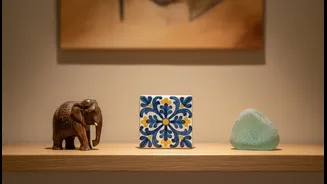
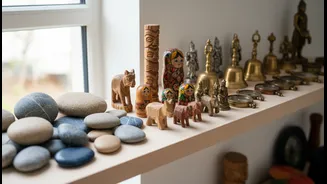
The key to this approach is to let the material itself be the star. Look through your collection and identify common threads. You might be surprised at what you find. A cohesive display can be created from items that seem eclectic on their own. Wood, Stone, and Natural Fibres: Group wooden carvings from different countries, a collection of unique stones, or woven baskets together on a shelf or console table. These earthy materials naturally feel grounded and serene, promoting a sense of connection to the natural world. A small cluster of three to five wooden objects can create a warm, organic focal point. Ceramics and Pottery: Hand-painted tiles from Portugal, a ceramic bowl from a local Indian artisan, and a small pottery vase from a mountain town can tell a beautiful story when displayed together. Their shared glossy or matte finish provides a visual link, even if their colours and origins are different. Arrange them on a mantelpiece or within a glass-front cabinet to create a stunning vignette. Metals: A collection of brass trinkets, old coins, and small metal statues can look incredibly chic when grouped. The way light reflects off them adds a dynamic quality. Polish them up and arrange them on a decorative tray to create a single, unified display that feels luxurious and intentional. Textiles and Fabrics: Don't let beautiful scarves, tapestries, or embroidered fabrics hide in a drawer. These can be displayed as art. A collection of smaller textiles can be framed in a series, or a single large piece like a Moroccan wedding blanket can be draped over a sofa to add texture and warmth.
Creating Cohesive Vignettes
Once you have your material-based groups, the next step is arranging them. Interior designers often use the 'Rule of Three' (or five, or seven) which suggests that items grouped in odd numbers are more visually appealing and dynamic than even-numbered groups. This is because an odd number creates a natural focal point and allows the eye to move around the arrangement more comfortably. When creating a small scene, or vignette, think about varying the height and shape of the objects. For example, with your ceramic collection, you might place a tall vase in the back, a medium-sized bowl slightly to the side, and a small, flat tile in the front. This creates a balanced, triangular composition that is pleasing to the eye. Using a tray or a stack of books to corral smaller items can also help unify the display and make it look deliberate rather than accidental.
Beyond Material: Other Unifying Themes
While material is a powerful organising principle, it’s not the only one. If your collection is too diverse, consider grouping items by colour. A shelf dedicated to objects that are all shades of blue, for instance, can be incredibly striking. You could also group items by trip or destination, creating a small 'story' of a specific place. A shadow box is perfect for this, allowing you to combine flat items like tickets and postcards with small 3D objects from a single holiday. The goal is always to find a common thread that ties disparate objects together, transforming them from a random assortment into a thoughtful narrative about your life and travels.