
Looking for a healthy, delicious, and versatile dish to add to your repertoire? The moong dal dosa is your answer. This protein-packed crêpe is a brilliant and approachable introduction to the wonderful world of cooking with moong dal.
What is Moong Dal Dosa?
Moong Dal Dosa,
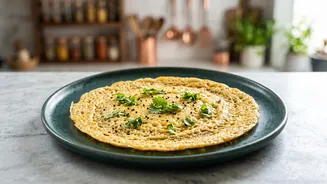
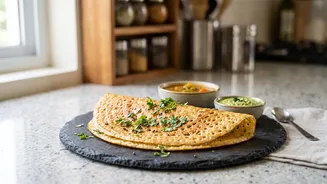
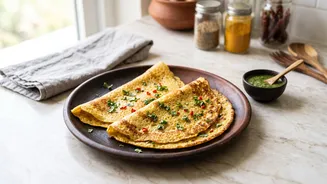
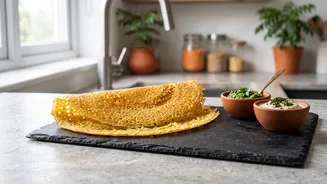
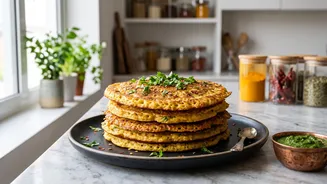
also famously known as Pesarattu in Andhra Pradesh, is a savoury crêpe that stands out from its more common rice-and-urad-dal counterparts. Its foundation is whole green moong dal (green gram), which is soaked and ground into a batter with a few simple spices. Unlike many other dosas, Pesarattu batter requires no fermentation, making it a wonderfully quick and convenient option for a nutritious meal any time of day. The name itself comes from the Telugu words 'pesara' (moong dal) and 'attu' (dosa or crêpe), literally meaning 'a crêpe made with green moong'. The result is a dosa with crisp edges, a soft centre, and a distinct, mildly spiced flavour that is both hearty and light.
A Breakfast Powerhouse of Nutrition
One of the biggest draws of moong dal dosa is its impressive nutritional profile. Moong dal is celebrated as a high-quality source of plant-based protein and dietary fibre, which helps keep you feeling full and supports good digestion. A single serving can provide a significant portion of your daily protein needs. This dosa is naturally gluten-free (when made without asafoetida or with a gluten-free version) and has a low glycemic index, which helps in managing blood sugar levels. It's also packed with essential minerals like potassium and magnesium, which contribute to heart health by helping to regulate blood pressure. For these reasons, it is an excellent choice for a wholesome breakfast, a light lunch, or a satisfying dinner.
Your Step-by-Step Guide to Pesarattu
Making moong dal dosa at home is surprisingly simple. Start by rinsing one cup of whole green moong dal and, for extra crispiness, two tablespoons of raw rice. Soak them together in water for at least 4 to 6 hours, or overnight. Once soaked, drain the water completely. Transfer the dal and rice to a blender with a one-inch piece of ginger, two or three green chillies (to your taste), and one teaspoon of cumin seeds. Add a little water and grind to a smooth, pourable batter, similar in consistency to a pancake batter—not too thick, not too thin. Finally, stir in salt to taste. Your batter is now ready to use, no waiting required.
Tips for the Perfect Crispy Dosa
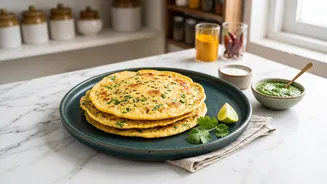
The secret to a perfect, crispy Pesarattu lies in the details. First, batter consistency is key; if it's too thick, the dosa will be heavy, and if it's too thin, it will tear. Aim for a texture that spreads easily. Second, master the pan temperature. A cast iron tawa is traditional and gives the best results, but a non stick pan works well too. Heat your pan over a medium flame; it should be hot enough that a sprinkle of water sizzles, but not so hot that it's smoking. Pour a ladle of batter in the centre and spread it outwards in a thin, even circle. Drizzle a little oil or ghee around the edges and cook patiently until the edges turn golden and start to lift from the pan.
Classic Variations and Serving Suggestions
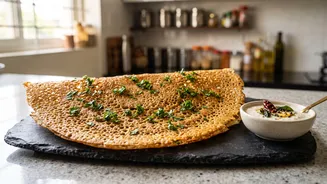
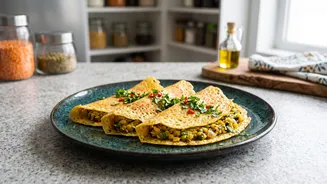
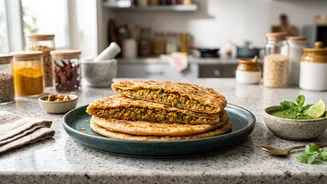
While the plain Pesarattu is delicious on its own, it truly shines with additions and accompaniments. A popular variation is to sprinkle finely chopped onions, green chillies, and fresh coriander over the dosa right after spreading the batter, gently pressing them in with a spatula. The most iconic combination, however, is the 'Upma Pesarattu' or 'MLA Pesarattu', where the crispy dosa is filled with a scoop of savoury rava upma before being folded. This pairing creates a delightful contrast of textures. Traditionally, Pesarattu is served hot with a side of Allam Pachadi, a spicy and tangy ginger chutney that perfectly complements the earthy flavour of the moong dal. Coconut chutney is another excellent pairing.