




The Secret to Creaminess, Revealed
For years, achieving a rich, creamy texture in pasta sauces meant relying on heavy cream, butter, or a generous helping of Parmesan cheese. But for those avoiding dairy, or simply seeking a healthier alternative, the options were often disappointing.
Enter the unexpected hero: almond butter. Far from being just a spread for toast, almond butter is a powerhouse emulsifier. In culinary terms, an emulsifier is a magic ingredient that forces two typically unmixable liquids, like oil and water, to join together in a smooth, stable union. The result is a sauce with a luxurious, velvety mouthfeel that rivals its dairy-laden counterparts. This isn't just a quirky vegan hack; it's a technique based on solid food science.
Why Almond Butter Works So Well
The magic of almond butter lies in its composition. It is packed with healthy fats and proteins, all ground into a super-fine paste. When whisked into a liquid base—like reserved pasta water, vegetable broth, or even white wine—these tiny particles disperse and suspend themselves, creating a thick, cohesive sauce. The fat content contributes richness and body, while the proteins help to bind everything together, preventing the sauce from breaking or becoming watery. In essence, it performs the same function as classic emulsifiers like egg yolks in mayonnaise or mustard in a vinaigrette. This makes it a one-ingredient wonder for transforming a simple pan of sautéed vegetables into a decadent-feeling meal.
Choosing the Right Almond Butter
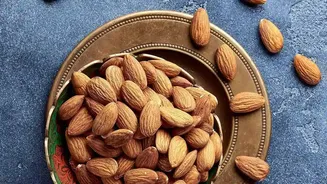
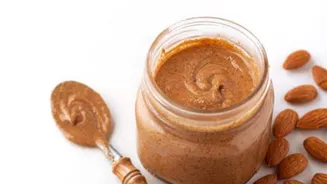
Not all almond butters are created equal, and the type you choose can significantly impact your final dish. For the best results in a savory sauce, opt for a smooth, natural almond butter. 'Natural' varieties, which often contain only almonds and perhaps a pinch of salt, tend to be runnier and will incorporate more easily into your sauce. Avoid chunky versions, which can lead to a gritty texture. Also, be sure to select an unsalted and unsweetened almond butter. This gives you complete control over the final seasoning of your dish, allowing the other flavours like garlic, herbs, and spices to shine through without competing with unwanted sweetness.
Perfect Pairings and Flavour Profiles
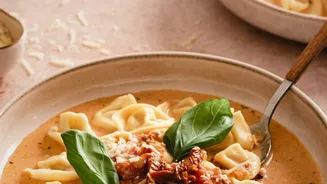
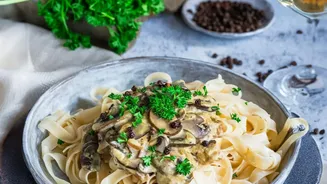
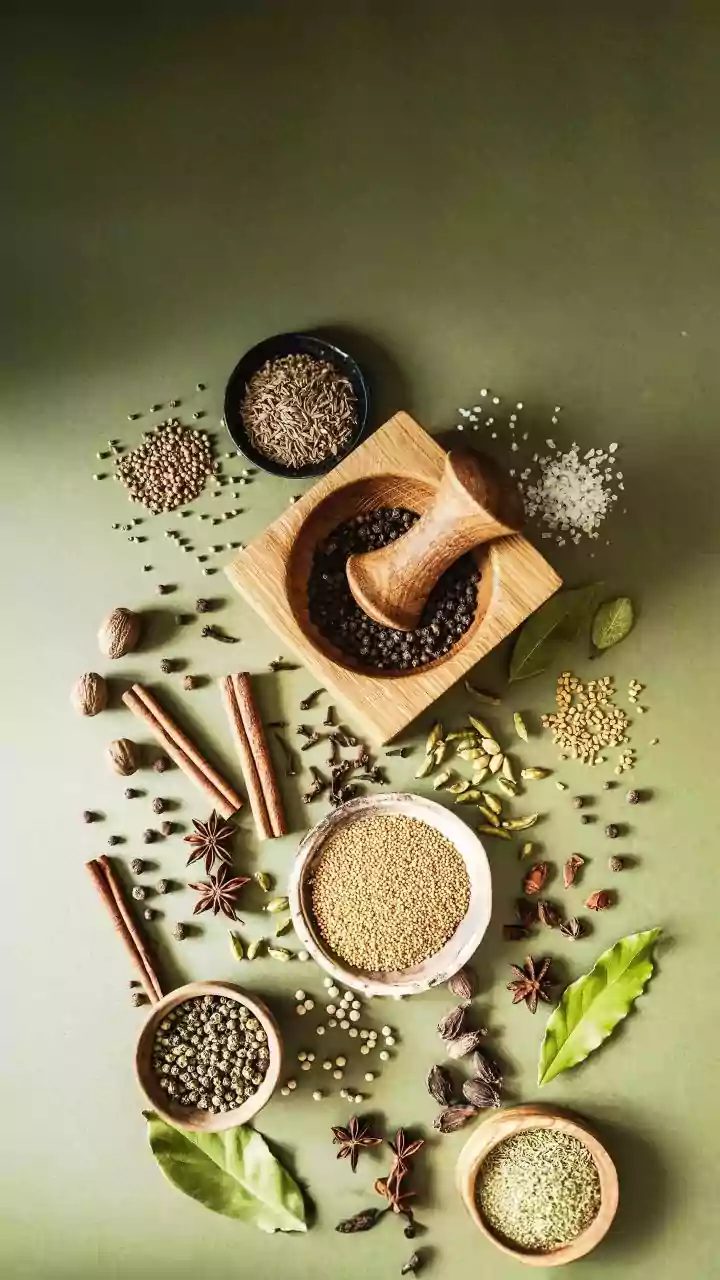
While almond butter provides the creamy base, it also brings a subtle, nutty flavour that pairs beautifully with a wide range of ingredients. It’s a natural fit for Asian-inspired noodle dishes with soy sauce, ginger, and sesame oil. For a more Mediterranean feel, try it in a tomato-based sauce with sun-dried tomatoes, garlic, and fresh basil. The nuttiness also complements earthy flavours like roasted mushrooms or caramelized shallots. To mimic a 'cheesy' flavour profile, many cooks add a tablespoon of nutritional yeast, which brings a savory, umami depth. A squeeze of lemon juice or a splash of vinegar at the end can brighten up the entire dish, cutting through the richness of the butter.
A Simple Method to Get Started
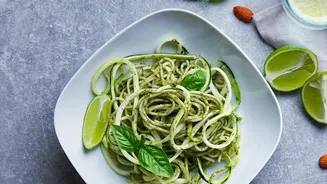
Ready to try it for yourself? The technique is surprisingly simple. Start by cooking your pasta. While it boils, sauté your aromatics like garlic and onions in a separate pan. Add your vegetables and cook until tender. Next, the crucial step: reserve a cup of the starchy pasta water before you drain the noodles. Turn the heat down on your skillet and add a generous tablespoon or two of smooth almond butter. Whisk in the hot pasta water, a little at a time, until the almond butter melts and forms a smooth, creamy sauce. You'll see it transform into a beautiful, emulsified liquid. Season it well with salt, pepper, and any other spices you desire. Finally, toss your cooked pasta directly into the pan with the sauce, ensuring every piece is coated.