






A New Driver for India’s Workhorse
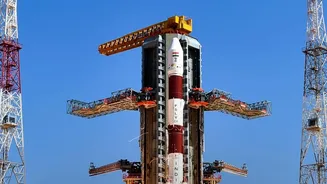
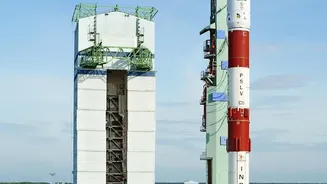
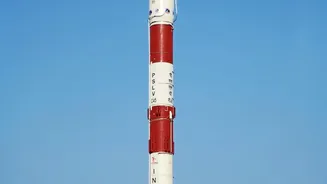
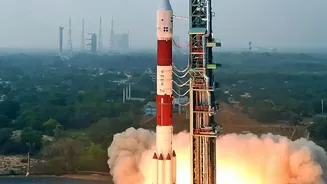
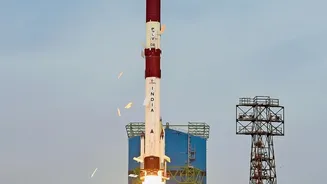
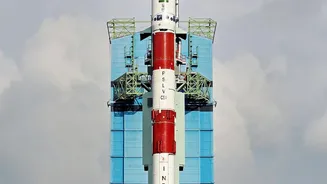
For decades, the Polar Satellite Launch Vehicle (PSLV) has been ISRO’s reliable workhorse, successfully launching numerous Indian and international satellites, including landmark missions like Chandrayaan-1 and the Mars Orbiter Mission. Historically,
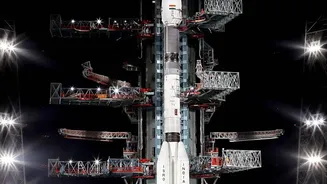
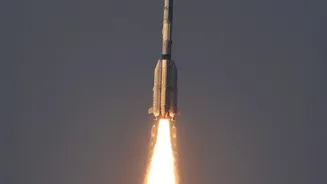
ISRO managed the entire process from design to launch. Now, in a landmark policy shift, the entire process of manufacturing the PSLV is being handed over to the private sector. A consortium led by Hindustan Aeronautics Limited (HAL) and Larsen & Toubro (L&T) is already producing five PSLV rockets. This is part of a larger strategy to move from ISRO simply outsourcing components to private industry handling end-to-end production. This change allows for an increase in launch frequency, meeting the growing global demand for satellite launches and strengthening India's position in the commercial space market.
The Role of New Facilitators
This transition is being managed by two key government bodies. NewSpace India Limited (NSIL), established in 2019, acts as the primary commercial arm of ISRO. Its main job is to commercialize the products and services developed by ISRO, market launch services, and facilitate technology transfer to Indian industries. Working alongside it is the Indian National Space Promotion and Authorisation Centre (IN-SPACe), which functions as a single-window agency for private players. IN-SPACe is responsible for authorizing and supervising the activities of non-governmental entities (NGEs), enabling them to use ISRO’s facilities and ensuring a smooth, regulated entry into the space sector. Together, NSIL and IN-SPACe are creating a structured ecosystem where private innovation can flourish under a supportive government framework.
From Operator to Innovator
By offloading the repetitive but crucial tasks of building and launching operational rockets like the PSLV, ISRO can pivot its immense talent and resources towards its original mandate: research and development. The goal is to transition ISRO from being an operator of space services to a pure R&D organisation focused on cutting-edge science and technology. This shift allows the agency's scientists and engineers to concentrate on solving complex challenges and pushing the boundaries of space exploration. The new model mirrors the structure seen in other countries, where national space agencies focus on deep-space and interplanetary missions while a robust private sector handles commercial launches.
Unlocking India's Next Space Frontiers
Freed from routine operations, ISRO is now better positioned to accelerate its most ambitious projects. These include the Gaganyaan mission, India's first human spaceflight program, which requires extensive R&D in life support, crew safety, and re-entry technologies. Other high-priority goals include follow-up missions to the Moon and Mars, the development of a Reusable Launch Vehicle (RLV) to reduce launch costs, and exploring new frontiers like missions to Venus. There is also a greater focus on developing next-generation technologies like electric propulsion for satellites, advanced remote sensing capabilities, and building an Indian space station by 2035. This strategic refocusing ensures that ISRO remains at the forefront of global space innovation.