






More Than a Patriotic Spectacle
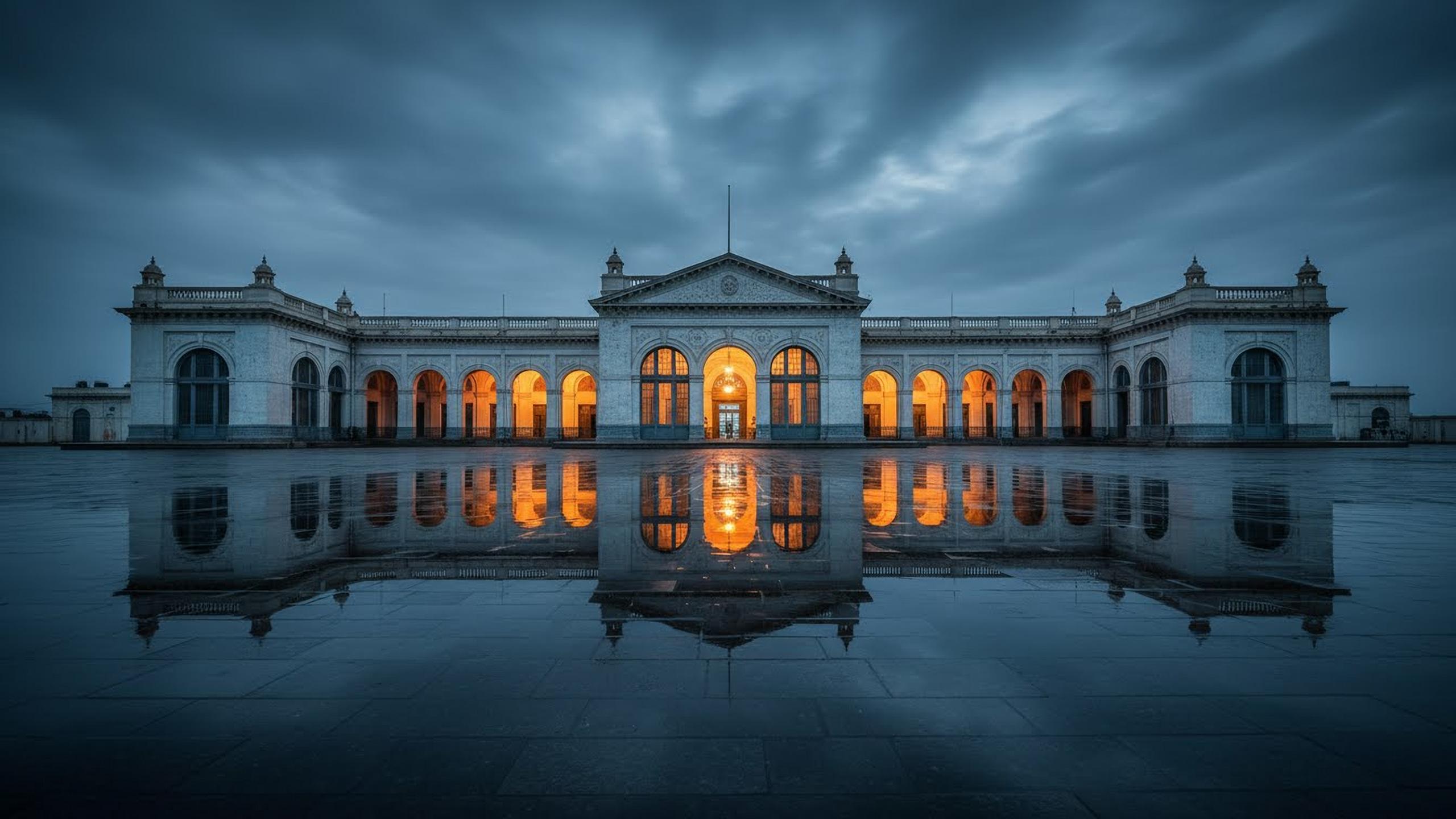
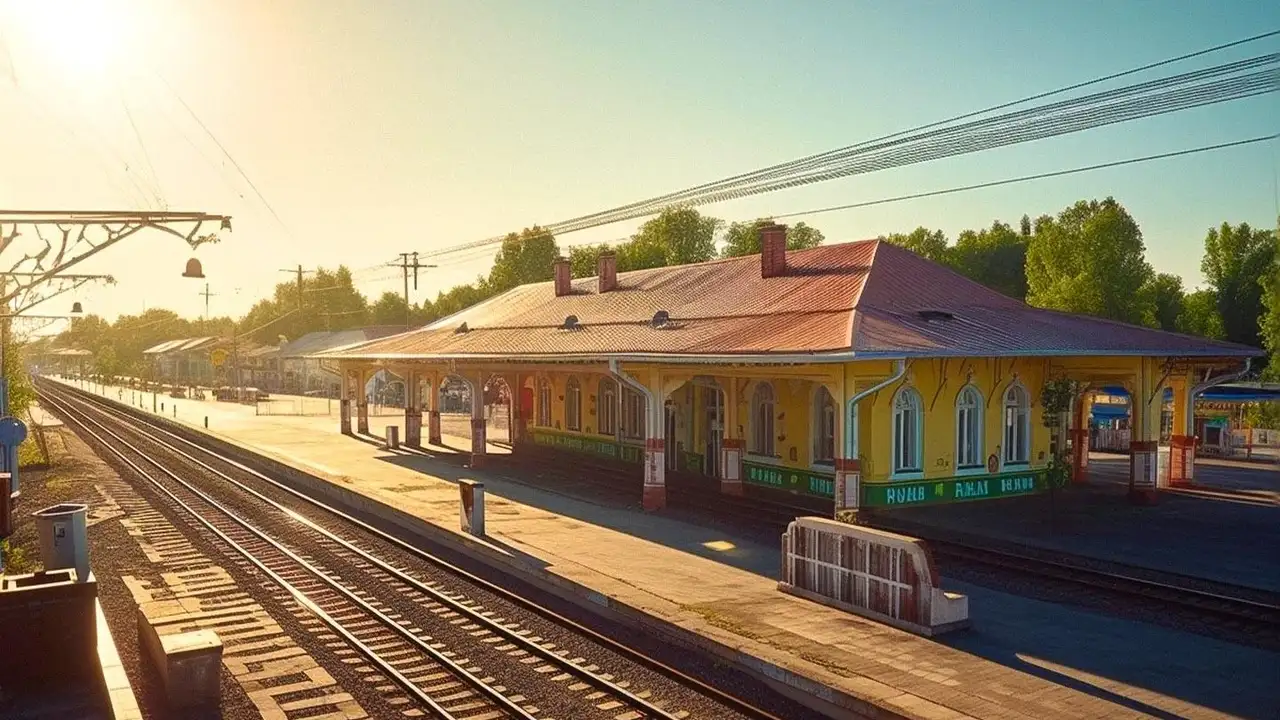
The Attari Border Station, located on the historic Grand Trunk Road in Punjab, is far more than just the venue for the famous Beating Retreat ceremony. It is a significant piece of national infrastructure, representing one of the most important land connections
between India and Pakistan. Established following the partition in 1947, it has evolved from a simple crossing point for refugees into a sophisticated facility managing complex logistical and diplomatic functions. Its role is a direct reflection of the sensitive and often volatile relationship between the two nations, serving as a barometer for geopolitical tensions.
A Vital Artery for Trade
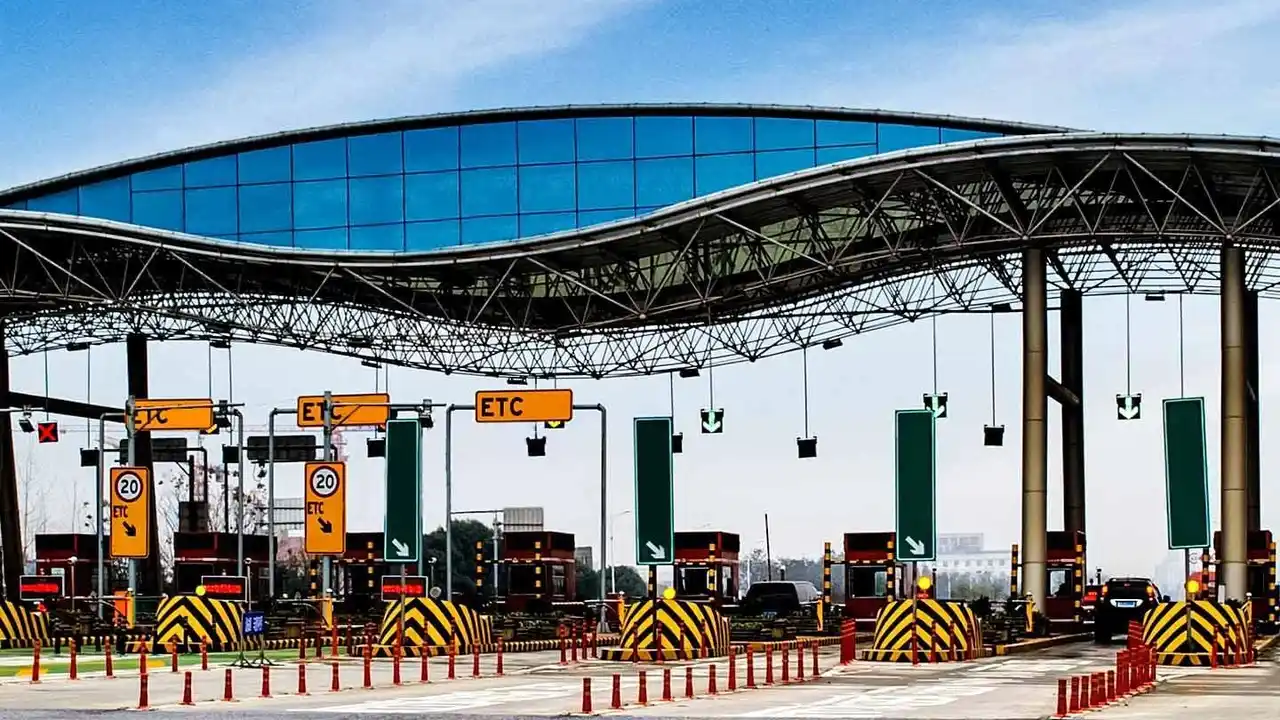
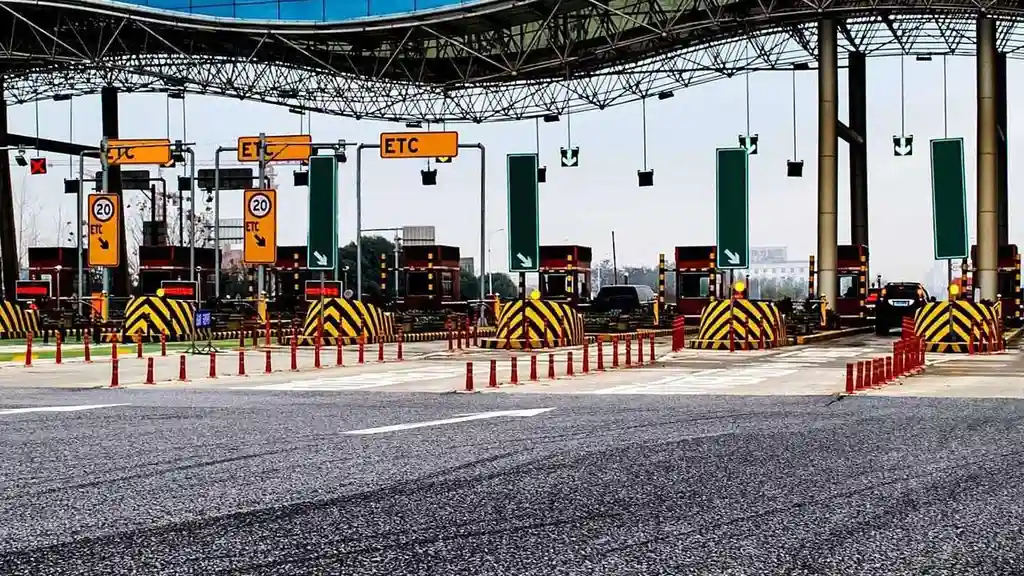
The station's most crucial function is economic. In 2012, it was upgraded to an Integrated Check Post (ICP), a modern, 120-acre facility designed to streamline the movement of goods. As the only official land route for trade between India and Pakistan, the Attari ICP facilitates the import and export of a wide range of products. Historically, goods like dry fruits, cement, and rock salt have entered India from Pakistan, while vegetables, cotton yarn, and soybeans have been exported from India. The ICP also serves as a critical transit route for trade with Afghanistan, making it a key node in regional commerce. However, this trade is highly sensitive to political relations; for instance, trade volumes plummeted after India imposed a 200% customs duty following the 2019 Pulwama attack and have been subject to frequent suspensions.
The Daily Beating Retreat Ceremony
Of course, the most famous event at the Attari-Wagah border is the Beating Retreat ceremony. Conducted jointly by India's Border Security Force (BSF) and the Pakistan Rangers every evening since 1959, this 30-minute ritual is a choreographed display of martial prowess and national pride. Soldiers on both sides engage in high kicks and rapid, dance-like manoeuvres, culminating in the simultaneous lowering of both national flags at sunset. While symbolic of the rivalry between the two nations, it also contains moments of cooperation, such as a concluding handshake between head guards and the traditional exchange of sweets on holidays like Diwali and Eid, though this gesture is often suspended during periods of high tension.
A Lifeline for Human Connection
Beyond goods and soldiers, Attari is a crossing point for people. It is one of the few land routes for passengers travelling between the two countries. For decades, it has been used by pilgrims visiting religious sites, families separated by the partition, and officials on diplomatic missions. The passenger terminal at the ICP includes immigration and customs facilities to process travellers. In the 2023-24 fiscal year alone, the border saw over 71,000 passenger crossings, highlighting its importance as a human link. However, like trade, passenger movement can be swiftly halted by political events, leaving many stranded and highlighting the personal cost of diplomatic disputes.
A Microcosm of a Complex Relationship
Ultimately, the Attari Border Station is a mirror of the India-Pakistan relationship itself. It is a place where cooperation and conflict coexist daily. The same corridor that facilitates trade worth crores of rupees also hosts a daily ceremony rooted in aggression and rivalry. The infrastructure built to foster economic ties can be shut down overnight due to security concerns, impacting livelihoods on both sides. This duality makes Attari unique; it is simultaneously a symbol of a deep historical divide and a necessary, functional bridge between two intertwined nations.