



What Exactly Is Kimchi?
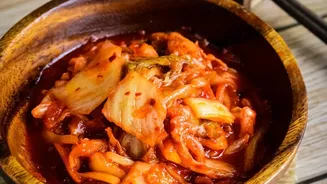
At its heart, kimchi is a traditional Korean side dish made from fermented vegetables. The most common variety uses napa cabbage, which is brined and then coated in a flavourful paste. This paste typically includes ingredients like Korean chilli powder
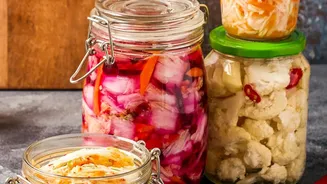
(gochugaru), garlic, ginger, scallions, and sometimes a bit of seafood paste for a deep, savoury umami flavour. The mixture is then left to ferment, a natural process where good bacteria work their magic. This fermentation is what gives kimchi its characteristic sour taste and is also responsible for many of its health benefits. While there are hundreds of variations using different vegetables like radishes and cucumbers, they all share this fundamental process of salting and fermenting.
A Powerhouse of Health Benefits
Kimchi is much more than just a tasty condiment; it's considered a superfood for good reason. As a fermented food, it's packed with probiotics, the beneficial bacteria that are crucial for a healthy digestive system. These probiotics can help improve your gut health, much like the bacteria found in yogurt or dahi. Beyond digestion, kimchi is low in calories and rich in fibre, which can help you feel full and support weight management. It's also a great source of vitamins A, C, and K, along with numerous antioxidants that help fight inflammation in the body. Some studies suggest that regular consumption may even contribute to lower cholesterol levels and a stronger immune system.
A Flavour That Feels Familiar
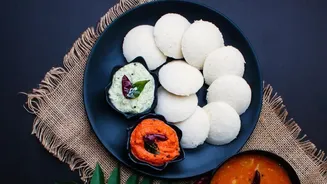
The idea of fermented cabbage might sound unusual, but its flavour profile is surprisingly familiar to the Indian palate. Think of it as a complex, crunchy achar. It has the sourness of a good pickle, the heat from chilli, and a savoury depth that enhances other foods. Fermentation is already a cornerstone of Indian cuisine, from dosas and idlis to the beloved dahi and kanji. Kimchi simply applies this ancient technique to vegetables in a different way, creating a condiment that feels both new and intuitive. Its tangy kick can cut through rich, oily foods, and its crisp texture provides a wonderful contrast to softer dishes.
Easy Ways to Enjoy Kimchi with Indian Food
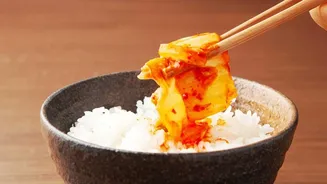
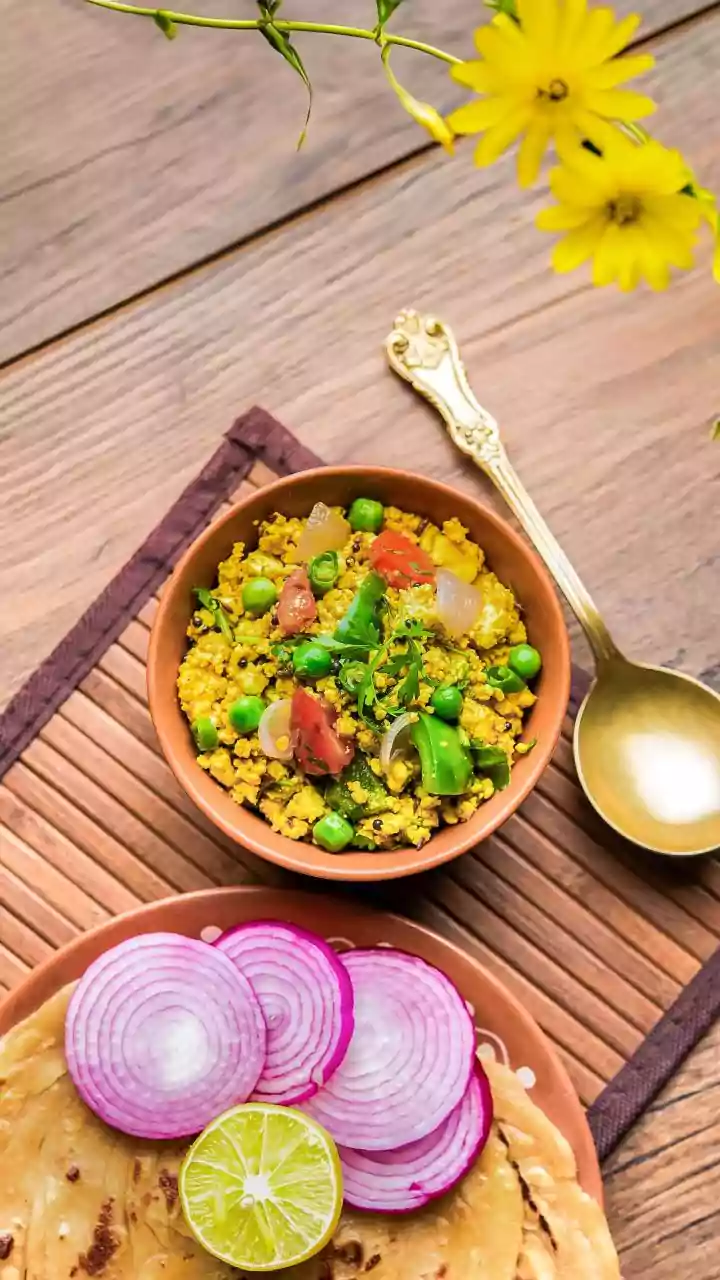
The true beauty of kimchi lies in its versatility. You don't need to cook elaborate Korean meals to enjoy it. It can be easily incorporated into the dishes you already make every day. The simplest way is to use it as a side dish, just like a pickle, with your regular dal, sabzi, and roti. A spoonful next to a bowl of dal and rice adds an instant pop of flavour and crunch. Try tucking some chopped kimchi into a paratha or a dosa for a spicy, tangy filling. It's also a fantastic addition to curd rice, where its spiciness is mellowed by the cool yogurt. You can liven up a simple khichdi by topping it with kimchi, or even mix finely chopped kimchi into egg bhurji or poha for a zesty twist. Another great idea is to create a quick kimchi fried rice using leftover rice.
Where to Find It and How to Store It
Thanks to its growing popularity, finding kimchi is easier than ever. Look for it in the refrigerated section of larger supermarkets, specialty food stores, or Asian grocery markets. It's usually sold in jars or pouches. When buying, you might find options labelled as 'vegan' or 'vegetarian', which are made without any seafood products. Once you bring it home, kimchi must be kept in the refrigerator to slow down the fermentation process. It has a long shelf life, and its flavour will continue to deepen and become more sour over time. Don't be alarmed by a little fizzing when you open the jar; that's just a sign that the healthy probiotics are alive and active.