




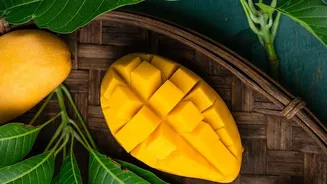
Beyond the King of Mangoes
For decades, the Alphonso mango has been the undisputed star of India’s fruit exports, celebrated for its unique flavour and commanding premium prices. However, a strategic shift is underway. Relying on a single, premium variety has its limits, including
a short seasonal window and vulnerability to climate fluctuations. Recognising this, export bodies like the Agricultural and Processed Food Products Export Development Authority (APEDA) are championing a more diversified approach. This strategy involves promoting a broader portfolio of India's nearly 1,000 mango varieties to cater to a wider range of global tastes and industrial needs. The goal is to extend the export season, de-risk the supply chain, and capture new market segments that the Alphonso alone cannot serve. This pivot is proving successful, with overall mango exports showing robust growth.
Totapuri: The Processing Powerhouse
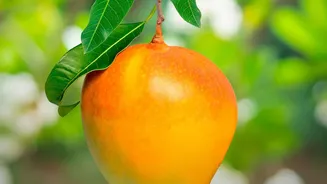
Enter the Totapuri mango, a variety that is less a rival to the Alphonso and more a different player altogether. Known for its distinctive parrot-beak shape and a tangy-sweet profile, the Totapuri is not primarily sold for fresh consumption. Its real value lies in its high pulp content and ideal consistency for processing. India is the world's largest producer and exporter of mango pulp, a crucial ingredient in the global beverage, dairy, and confectionery industries. The global mango pulp market is projected to reach over USD 3 billion by 2034, and the Totapuri is a key contributor to this boom. Its versatility makes it a favourite in markets across the Middle East, Europe, and North America for use in juices, nectars, yoghurts, and ice creams, creating a steady, large-scale demand that complements the fresh-fruit market.
Neelam: The Late-Season Star
While the Totapuri expands the industrial market, the Neelam variety extends the export calendar. One of the biggest challenges in the fresh mango trade is its seasonality. Most popular varieties are harvested between March and early June. The Neelam, however, is a late-season variety, harvested from late June through July and sometimes into August. This allows India to supply fresh mangoes to international markets long after the peak season for other varieties has ended. Appreciated for its rich aroma and sweet pulp, the Neelam is well-suited for both fresh consumption and making desserts and beverages. Recent efforts by APEDA have facilitated the first-ever air shipments of Neelam and Totapuri mangoes from Karnataka to the Maldives, a move designed specifically to establish markets for these late-season varieties and ensure better returns for farmers who miss the peak-season rush.
A Strategy for Global Reach
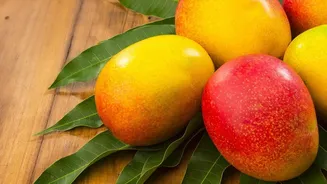
The promotion of Neelam and Totapuri is part of a deliberate and broader strategy to increase India’s footprint in the global mango market. By diversifying its offerings, India can cater to different market needs simultaneously. The diaspora in the US and UK may crave the familiar taste of premium fresh mangoes like Kesar and Banganapalle, but the global food processing industry needs the consistent, bulk supply that Totapuri provides. Meanwhile, late-season varieties like Neelam open up entirely new sales windows. This approach also yields significant benefits for farmers. By creating export demand for varieties that fetch lower prices in glutted domestic markets, farmers can get much higher returns—in some cases, over 50% more than through conventional channels. This not only improves livelihoods but also encourages the cultivation of a wider range of mangoes, strengthening India's agricultural biodiversity and its position as the world's leading mango supplier.